The strategic configuration of honeybee colonies is critical because melons are cross-pollinated crops that rely heavily on insect activity to produce viable fruit. In large-scale agricultural environments, the density of natural pollinators is rarely sufficient to cover the vast number of blooms. Introducing managed honeybee colonies is the definitive solution to increase flower visitation rates, ensuring the effective pollen transfer required to prevent crop failure and maximize quality.
While soil and water are foundational, pollination is the trigger for production. Without the strategic placement of managed hives to bridge the gap left by local ecosystems, large-scale melon operations face the risk of low fruit set and inconsistent harvest quality.
The Biological Necessity of Managed Pollination
Bridging the Natural Pollinator Gap
Melons are cross-pollinated crops, meaning they require pollen to be physically moved between flowers to set fruit.
In large-scale cultivation, the sheer acreage of the crop often outstrips the population of native wild pollinators. Relying solely on local insects in these expansive monocultures results in insufficient coverage, making the introduction of managed honeybee colonies a logistical necessity.
Increasing Flower Visitation Frequency
The core mechanism of success is the frequency of flower visits.
Strategic colony placement significantly increases the number of times a bee visits a flower. This high traffic ensures that enough pollen is transferred to complete the fertilization process effectively.
Impact on Yield and Production Stability
Preventing Fruit Abortion
One of the most immediate risks in melon cultivation is fruit abortion.
If a flower is not adequately pollinated, the plant perceives the fruit as non-viable and sheds it to conserve energy. Managed honeybees ensure fertilization thresholds are met, significantly improving the overall fruit set rate and retaining more of the potential harvest.
Enhancing Physical Uniformity
Beyond simple quantity, pollination dictates the physical quality of the melon.
Effective pollen transfer leads to better seed development, which is directly linked to the shape and size of the fruit. Strategic pollination ensures that melons grow uniformly, reducing the number of deformed or undersized fruits that would otherwise be rejected by the market.
Operational Considerations
Note: While the benefits are clear, "strategic" configuration implies that random placement is insufficient.
Dependence on Placement Strategy
Merely having bees is not enough; their configuration must be calculated to ensure even coverage across the entire field.
Poor distribution of colonies can lead to "pollination gradients," where plants near the hives are well-pollinated while distant plants suffer from fruit abortion.
The Managed vs. Natural Trade-off
By introducing hives, producers move from a passive reliance on nature to an active management system.
This requires treating pollination as a controlled production input—similar to irrigation or fertilization—rather than a free ecosystem service. Failure to actively manage this input results in the immediate loss of yield potential described above.
Making the Right Choice for Your Goals
To maximize the return on your melon cultivation, align your pollination strategy with your specific production targets:
- If your primary focus is maximizing tonnage (Yield): Prioritize colony density to maximize the fruit set rate and minimize the risk of fruit abortion.
- If your primary focus is marketability (Quality): Focus on the uniform distribution of hives to ensure every flower receives equal attention, guaranteeing consistent fruit shape and size.
Strategic pollination is not just an agricultural additive; it is the fundamental bridge between a flowering plant and a marketable harvest.
Summary Table:
| Key Factor | Impact on Melon Production | Benefit of Strategic Configuration |
|---|---|---|
| Pollination Gap | Natural pollinators are insufficient for large monocultures | Ensures 100% flower coverage across vast acreage |
| Fruit Set Rate | Poor fertilization leads to fruit abortion and loss | Maximizes fruit retention and overall tonnage |
| Physical Quality | Inadequate pollen transfer causes deformed fruit | Guarantees uniform shape, size, and marketability |
| Distribution | Random placement creates pollination gradients | Eliminates under-pollinated zones through even hive spread |
Elevate Your Commercial Apiary with HONESTBEE
To achieve professional-grade pollination results in large-scale agriculture, you need more than just bees—you need the right infrastructure. HONESTBEE specializes in supporting commercial apiaries and distributors with a comprehensive range of high-performance beekeeping tools and industrial machinery.
Whether you are scaling up to meet the demands of commercial melon growers or expanding your distribution network, we provide:
- Advanced Machinery: High-efficiency hive-making and honey-filling machines.
- Durable Hardware: Full spectrum beekeeping tools and equipment built for heavy use.
- Industry Consumables: A wide array of essential supplies and honey-themed cultural merchandise.
Partner with HONESTBEE to deliver superior pollination services and premium honey products.
Contact our wholesale experts today to optimize your operation!
References
- L. H. P. Kiill, N. D. Costa. Avaliação do padrão de visitação de Apis mellifera em três cultivares de meloeiro, em Petrolina-PE, Brasil. DOI: 10.1590/s0100-29452011000500060
This article is also based on technical information from HonestBee Knowledge Base .
Related Products
- HONESTBEE Entrance Bee Feeder Professional Hive Nutrition Solution for Beekeeping
- Langstroth Honey Bee Box Hive Boxes for Different Depths
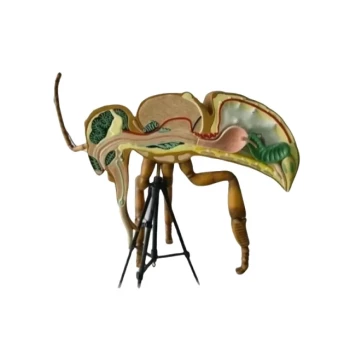
- HONESTBEE Anatomy Bee Model Detailed Anatomical Display for Education and Study
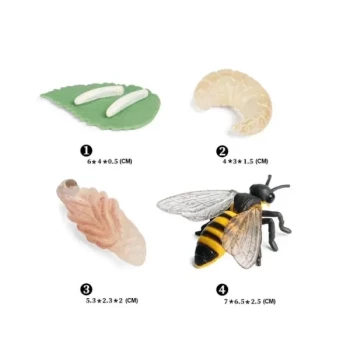
- Honey Bee Lifecycle Model: A Detailed Honeycomb Display of Bee Development
- HONESTBEE Professional Hive Top Bee Feeder Feeding Solution
People Also Ask
- What types of bee feeders are available for beginners? Start with the Simple Entrance Feeder
- What are the advantages and disadvantages of using an entrance feeder for bees? Balance Convenience and Hive Security.
- What is a bee entrance feeder and what are its drawbacks? Essential Guide to Hive Security and Feeding Efficiency
- How does a bee entrance feeder work? A Simple Guide to Convenient Hive Feeding
- How to make an entrance feeder for bees? A DIY Guide for Safe & Effective Feeding