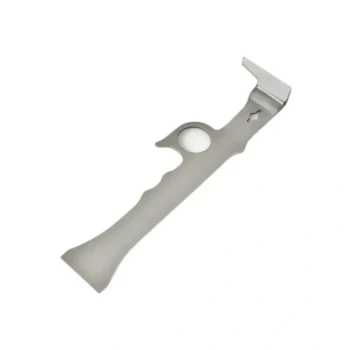
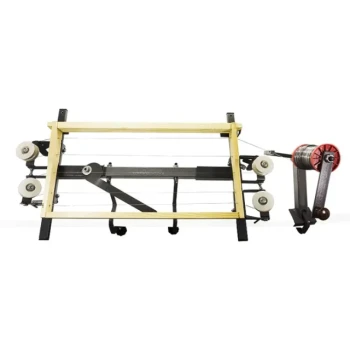
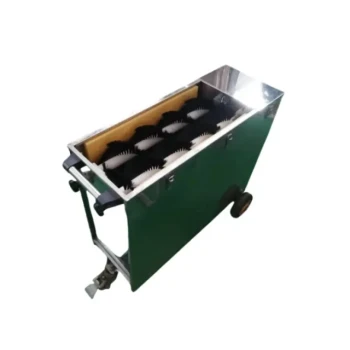
Professional beekeeping management tools are the operational backbone of high-efficiency apiculture because they transform passive observation into active biological management. By utilizing essential hardware like hive tools and smokers, apiarists can conduct the regular, invasive inspections necessary to identify critical threats such as Varroa mites and viral pathogens. This active intervention is the only reliable method to support a colony's hygienic behavior and defensive capabilities, ensuring survival and productivity in commercial environments.
Core Insight High-efficiency apiculture is not merely about managing more hives; it is about increasing the precision of intervention per hive. Professional tools bridge the gap between labor constraints and biological needs, allowing operators to scale from artisan practices to industrial consistency without sacrificing colony health or product safety.
Ensuring Biological Stability and Health
The Role of Active Monitoring
To maintain high productivity, beekeepers must move beyond external observation to internal assessment. Hive tools and smokers are indispensable for this, enabling the physical manipulation of frames required to assess brood patterns and resource stores. Without these specific implements, deep inspections become disruptive and dangerous, potentially harming the colony structure.
Mitigating Pathogen Risks
The primary threat to modern apiaries involves parasites and disease, specifically Varroa mites and associated viruses. Professional tools facilitate the frequent, thorough screenings required to detect these threats early. Early detection allows for timely management strategies that bolster the colony's natural hygienic behaviors and defensive systems.
Operational Scalability and Labor Efficiency
Overcoming Labor Limitations
As apiary operations scale to 100–200 hives, traditional, labor-intensive management models inevitably fail. Professional tools and mechanized facilities optimize labor allocation, ensuring that technical interventions remain timely even as the volume of work increases. This optimization allows large-scale operations to maintain stable honey yields and product quality that would otherwise degrade under a manual workload.
Maintaining Operator Focus and Continuity
Efficiency in the apiary is directly linked to the operator's ability to work without interruption. Professional protective clothing provides a full-coverage physical barrier that eliminates the risk of stings. This allows technical personnel to maintain precision and focus within high-density colonies, ensuring continuous operation without the delays caused by defensive bee behavior.
Precision Management for Pollination and Research
Regulating Colony Density
Specialized tools allow management personnel to safely perform complex manipulations, such as colony division and larval grafting. These physical interventions allow beekeepers to effectively regulate colony density. Ensuring a sufficient scale of active colonies during crop flowering periods directly improves seed setting rates and fruit quality, stabilizing the surrounding agricultural ecosystem.
Ensuring Data Accuracy
In research and breeding programs, data integrity is paramount. Professional queen marking tools, such as specialized paints or pens, allow for the unique identification of the original queen. This distinction is vital for field studies, enabling operators to differentiate between an experimental queen and a supersedure queen, ensuring accurate data regarding survival rates and longevity.
Data Integrity and Consumer Safety
The Necessity of Traceability
Modern efficiency extends beyond the hive to the supply chain through product traceability management systems. These digital tools record comprehensive data, including apiary location, medication records, and batch details.
Enabling Rapid Response
By utilizing specialized databases and digital labeling, these systems enable hive-to-table monitoring. This allows for the rapid identification and recall of non-compliant products, which is essential for ensuring food safety and maintaining compliance with rigorous industry standards.
Understanding the Trade-offs
The Cost of Complexity
While professional tools enhance efficiency, they introduce higher initial capital costs and maintenance requirements. Mechanized facilities and digital traceability systems require significant upfront investment compared to traditional methods.
The Risk of Over-Reliance
There is a potential pitfall in relying too heavily on hardware to solve biological problems. Tools facilitate management, but they cannot replace the operator's understanding of bee biology. An over-reliance on protective gear, for example, might encourage rough handling of the bees, which can induce stress in the colony despite the operator being safe.
Making the Right Choice for Your Goal
To select the appropriate management tools, assess your operation's primary bottleneck.
- If your primary focus is Colony Health: Prioritize high-quality hive tools and smokers to facilitate frequent, low-stress inspections for Varroa and viruses.
- If your primary focus is Scaling Operations: Invest in mechanized facilities and professional protective gear to maximize labor efficiency across 100+ hives.
- If your primary focus is Market Compliance: Implement a digital traceability system to ensure rapid recall capabilities and transparent food safety records.
- If your primary focus is Pollination Services: Utilize specialized colony division and grafting tools to precisely regulate colony density during flowering windows.
True high-efficiency apiculture is achieved when the right tools are deployed to synchronize human labor with the biological rhythm of the hive.
Summary Table:
| Focus Area | Essential Professional Tools | Key Benefit for High-Efficiency |
|---|---|---|
| Colony Health | Hive tools, smokers, Varroa screening kits | Enables frequent internal inspections and early pathogen detection. |
| Operational Scale | Mechanized machinery, high-grade protective gear | Optimizes labor for 100+ hives while maintaining operator focus. |
| Pollination Quality | Grafting tools, colony division equipment | Regulates colony density to maximize crop seed setting and fruit quality. |
| Market Compliance | Digital traceability systems, queen markers | Ensures food safety, rapid recall capabilities, and accurate research data. |
Scaling Your Apiary Operations? Partner with HONESTBEE
Transitioning from artisan beekeeping to industrial consistency requires more than just skill—it requires the right infrastructure. HONESTBEE specializes in supporting commercial apiaries and distributors with a comprehensive wholesale portfolio designed for high-efficiency apiculture.
From heavy-duty hive-making and honey-filling machinery to specialized hardware and essential consumables, we provide the tools you need to maximize yields and ensure biological stability.
Ready to optimize your production? Contact us today to explore our wholesale solutions and see how HONESTBEE can empower your business growth.
References
- Patrice Kasangaki. Assessment of Honeybee Colony Performance in the Agro-Ecological Zones of Uganda. DOI: 10.32474/ciacr.2018.01.000121
This article is also based on technical information from HonestBee Knowledge Base .
Related Products
- Ergonomic Plastic Frame Spacer Tool for Rapid Hive Management Beekeeping
- Professional 600D Oxford Cloth Beekeeping Tool Bag with 8 Pockets and Elastic Loops
- HONESTBEE Professional Mini J-Hook Hive Tool for Beekeeping
- HONESTBEE 15-in-1 Beekeeper Multi-Tool with Hammer and Pliers for Beekeeping
- Stainless Steel J Hook Hive Tool for Beekeeping
People Also Ask
- What specific challenges do beekeeping hive tools address during hive maintenance? Essential Solutions for Apiaries
- How do specialized beehive management tools assist in the routine maintenance of bee colonies? Boost Hive Efficiency
- How do specialized beehive management tools support high-purity honey production? Master Monofloral Isolation
- What additional equipment might be useful for beekeeping? Boost Hive Health & Efficiency
- What are the approximate costs of basic beekeeping tools? Start Your Apiary for Under $85