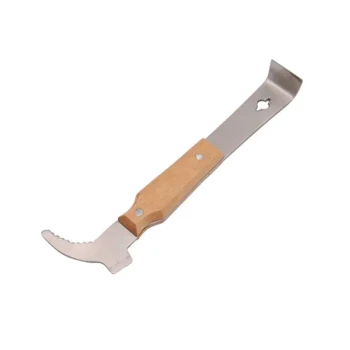
Accurate identification of stingless bee species frequently requires more than just a visual check of the insect or the hive entrance. You must use professional tools to physically open the hive and examine the internal brood structure, as external characteristics are often insufficient for a definitive classification.
Core Takeaway While external morphology provides clues, the definitive "fingerprint" of a stingless bee species often lies within the nest's architecture. Professional tools are the key to accessing these internal diagnostic features—specifically unique brood arrangements—without destroying the colony's propolis-sealed defenses.
Overcoming the Limitations of External Observation
When Morphology is Insufficient
Relying solely on external physical features or the appearance of the nest entrance is often inadequate for scientific identification.
Many species look remarkably similar on the outside.
To achieve accurate classification, you must move beyond the surface and analyze the colony's internal construction.
The Diagnostic Power of Brood Patterns
The primary reason for internal inspection is the observation of brood structure and arrangement.
Different species of stingless bees exhibit unique, species-specific brood patterns.
Accessing these patterns via physical opening is a vital procedural step to confirm identity when external signs are ambiguous.
The Mechanical Necessity of Hive Tools
Breaking the Propolis Seal
Stingless bees, like honey bees, produce propolis and brace comb to seal cracks and secure hive boxes.
If there is excess space, bees will aggressively build out this resinous material, gluing the hive components together.
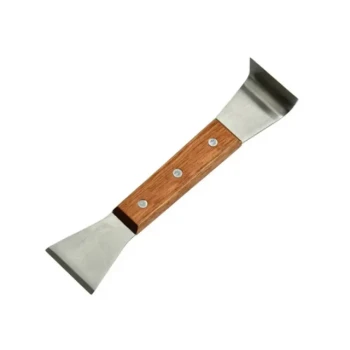
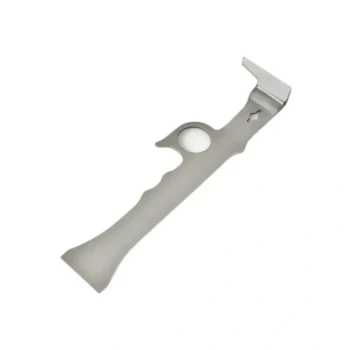
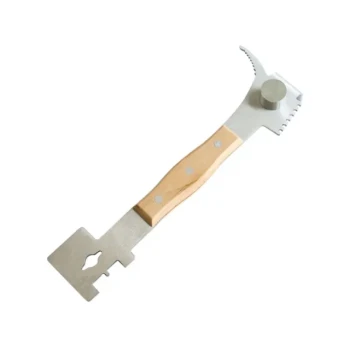
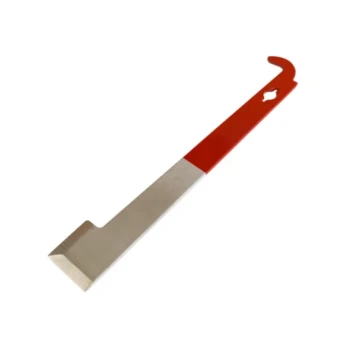
A professional hive tool provides the necessary leverage to separate these components and clean the hive, making the inspection manageable.
Minimizing Structural Damage
Attempting to open a hive without the proper leverage can cause excessive vibration or breakage.
Tools allow for a controlled separation of hive layers.
This minimizes the physical impact on the colony while allowing the observer to reach the diagnostic brood chambers.
Understanding the Risks of Intrusion
Temperature Sensitivity
Stingless bees are highly susceptible to heat stress and require an internal temperature range of 26-34°C for successful brood rearing.
Opening a hive disrupts this microclimate.
Inspections must be brief and conducted with care to prevent large-scale colony loss or halted reproduction.
Defensive Behaviors
While stingless bees lack functional stingers, they are not defenseless.
Certain species will bite skin or entangle themselves in hair during inspections.
A professional protective face veil is critical to ensure safety and reduce operational difficulty when the colony becomes aggressive.
Making the Right Choice for Your Goal
Whether you are a taxonomist or an apiary manager, the tools you use dictate your success.
- If your primary focus is Species Identification: Prioritize the careful exposure of the central brood chamber, as the arrangement of brood cells is your most reliable diagnostic indicator.
- If your primary focus is Colony Health: Use hive tools to efficiently clean propolis buildup, ensuring you can separate boxes quickly to minimize the duration of temperature fluctuation.
Mastering the use of these tools allows you to unlock the hive's secrets without compromising the colony's future.
Summary Table:
| Diagnostic Factor | Benefit of Professional Tools | Impact on Colony |
|---|---|---|
| Brood Architecture | Enables access to species-specific cell patterns | Essential for accurate species ID |
| Propolis Seals | Provides leverage to break resinous bonds cleanly | Reduces hive vibration and stress |
| Climate Control | Allows for rapid opening and closing | Minimizes temperature fluctuations |
| Safety & Defense | Veils protect against biting and entanglement | Ensures operator safety during aggression |
Elevate Your Apiary Operations with HONESTBEE
Precise species identification and hive management require more than just skill—they require professional-grade equipment. At HONESTBEE, we specialize in supporting commercial apiaries and distributors with a comprehensive wholesale range of beekeeping tools, specialized hive-making machinery, and honey-filling systems.
Whether you are scaling your honey production or supplying the industry with essential consumables and cultural merchandise, our portfolio is designed to enhance your efficiency and protect your colonies.
Ready to upgrade your equipment? Contact us today to discover how our wholesale solutions can drive your business forward.
References
- L E Hughes. Australian Native Bees – Bee Specific. DOI: 10.5962/p.419580
This article is also based on technical information from HonestBee Knowledge Base .
Related Products
- Ergonomic Plastic Frame Spacer Tool for Rapid Hive Management Beekeeping
- Professional Dual-End Stainless Steel Hive Tool for Beekeeping
- Stainless Steel J Hook Hive Tool for Beekeeping
- HONESTBEE Classic Pry Bar Hive Tool with High Visibility Finish for Beekeeping
- HONESTBEE Professional Mini J-Hook Hive Tool for Beekeeping
People Also Ask
- What specific challenges do beekeeping hive tools address during hive maintenance? Essential Solutions for Apiaries
- How do specialized beehive management tools support high-purity honey production? Master Monofloral Isolation
- How do specialized beehive management tools assist in the routine maintenance of bee colonies? Boost Hive Efficiency
- How do traditional harvesting tools like axes and machetes negatively affect bee colonies? Upgrade to Professional Gear
- How do spring inspections for honeybee starvation symptoms guide apiary management? Optimize Colony Survival & Growth