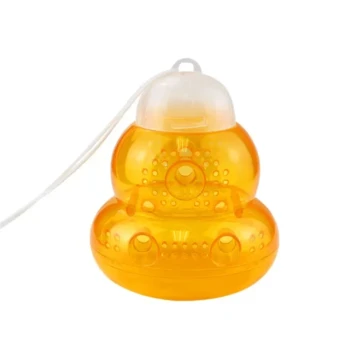
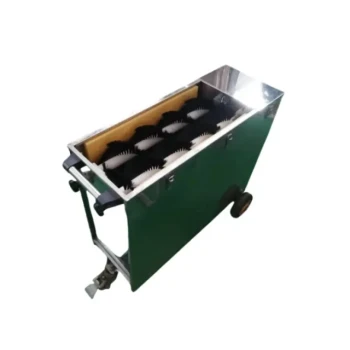
The use of specialized Varroa mite control equipment is essential because it provides the precise application necessary to break the viral transmission chain without harming the colony. While mites act as the primary vectors for lethal viruses, specialized equipment ensures that chemical or physical interventions are delivered at exact concentrations, effectively curbing horizontal transmission.
Core Takeaway Viral outbreaks in honey bee colonies are inextricably linked to Varroa mite loads. Effective virus prevention requires rigorous vector control, where specialized equipment bridges the gap between theoretical treatment and safe, practical elimination of the pest.
Breaking the Viral Transmission Chain
Targeting the Primary Vector
Varroa mites are the primary vectors for transmitting multiple devastating honey bee viruses. The technical process of virus prevention does not usually involve treating the virus directly, but rather eliminating the carrier.
Stopping Horizontal Transmission
By lowering the mite load within a colony, beekeepers effectively curb horizontal transmission. This intervention prevents the rapid spread of pathogens from bee to bee, serving as the primary method for averting large-scale viral outbreaks.
The Role of Precision in Chemical Intervention
Regulating Organic Acid Volatilization
Treatments utilizing organic acids, such as formic acid, rely heavily on controlled evaporation. Specialized volatilization devices, such as evaporation boxes, regulate the release rate based on external temperatures. Without this equipment, fluctuation in ambient heat could cause inconsistent dosing.
Ensuring Uniform Distribution
For treatments like oxalic acid, efficacy depends on coverage. High-precision dripping equipment ensures the solution is distributed uniformly across the bee cluster. This maximizes the contact area with the mites while maintaining colony safety.
Understanding the Trade-offs
The Risks of Concentration Variance
The effectiveness of organic treatments is highly sensitive to concentration levels. If the concentration is too low due to poor equipment, the mites survive, and viral transmission continues. Conversely, if the concentration is too high, it can harm or kill the bees.
Equipment Dependency
Achieving high technical efficiency requires a reliance on specialized consumables and devices. Manual or "estimated" application methods lack the biosecurity controls necessary to prevent significant drops in honey yield associated with diseased colonies.
Ensuring Colony Viability Through Technical Control
To maintain high technical efficiency, the worker bee population must be free to focus on honey collection rather than fighting parasitic load.
- If your primary focus is Virus Prevention: Prioritize equipment that guarantees a reduction in Varroa mite load to break the physical transmission chain.
- If your primary focus is Colony Safety: Select localized volatilization devices that automatically adjust evaporation rates to prevent chemical toxicity.
By integrating specialized control equipment, you transform varroa management from a guessing game into a precise, biosecure process.
Summary Table:
| Feature | Specialized Equipment | Manual/Estimated Application |
|---|---|---|
| Dosing Precision | High - Regulates chemical volatilization | Low - Subject to high variance |
| Viral Control | Effective - Breaks transmission chains | Inconsistent - Risks viral outbreaks |
| Colony Safety | High - Minimizes chemical toxicity | Low - Risk of harming/killing bees |
| Distribution | Uniform - Complete cluster coverage | Patchy - Leaves mites untreated |
| Efficiency | High - Ensures long-term productivity | Low - Leads to reduced honey yield |
Secure Your Apiary’s Future with HONESTBEE
At HONESTBEE, we understand that commercial success in beekeeping hinges on colony health. As a leading provider for commercial apiaries and distributors, we offer a comprehensive wholesale range of specialized Varroa mite control equipment—from high-precision evaporation boxes to advanced treatment machinery.
Our mission is to empower your operations with the tools needed to eliminate viral vectors and maximize honey yield. Whether you are stocking your distribution warehouse or scaling your commercial hive counts, our portfolio of beekeeping hardware and essential industry consumables delivers the reliability you need.
Ready to upgrade your biosecurity? Contact us today to discuss wholesale solutions and customized equipment packages.
References
- Linde Morawetz, Karl Crailsheim. Prevalence of bee viruses in Austria in the year 2018. DOI: 10.22323/1.366.0007
This article is also based on technical information from HonestBee Knowledge Base .
Related Products
- Varroa Easy Check Mite Tester Kit Counter Alcohol Wash Jar
- Heavy Duty 12V Oxalic Acid Evaporator Vaporizer for Bee Varroa Mite Treatment Beekeeping Fumigator Atomizer
- Durable 12V Oxalic Acid Vaporizer for Varroa Mite Treatment Beehive Beekeeping Tool
- Compact Circular Bee Mite Treatment Dispenser
- Oxalic Acid Vaporizer 12V for Bee Varroa Mite Treatment
People Also Ask
- What tools are utilized within an Integrated Pest Management (IPM) strategy for honeybees? Optimize Colony Health
- What is the significance of standardized detection tools in Varroa control? Data-Driven Beekeeping Strategies
- Why is surfactant added to 70% alcohol for Varroa detection? Ensure Accurate Mite Counts for Professional Beekeeping
- What is the purpose of using white filter cloth for Varroa mite screening? Enhance Detection and Accuracy
- How does a specialized Varroa mite tester with sugar powder facilitate mite diagnosis? Precise B2B Hive Health Solutions