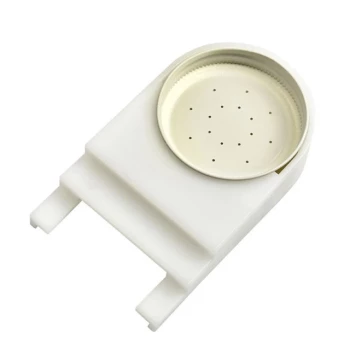
Supplemental feeding equipment acts as a critical biological bridge for migratory beekeeping operations. Its primary function is to deliver high-concentration syrup to colonies during the inevitable nutritional gaps caused by long-distance transport and discontinuous flowering cycles. Without this intervention, colonies face the immediate risks of metabolic failure, starvation, and total collapse.
By decoupling colony survival from immediate environmental conditions, supplemental feeding ensures that bees maintain the metabolic energy required to survive transport stress and the population strength necessary for economic profitability.
Bridging the Gaps in Migratory Cycles
Migratory beekeeping is defined by movement, but nature does not always provide a continuous food supply during these transitions.
Counteracting Discontinuous Flowering
Migratory routes often have timing mismatches between the end of one bloom and the start of another.
During these periods of nectar shortage, the colony consumes its stored resources rapidly. Supplemental feeding equipment allows the beekeeper to artificially sustain the colony, preventing the starvation that occurs when natural forage is unavailable.
Surviving Long-Distance Transport
Bees are confined during transport and cannot forage, yet their metabolic needs increase due to stress.
Feeding equipment ensures colonies have access to high-energy nutrition throughout the journey. This prevents absconding (where bees abandon the hive due to lack of resources) and ensures the colony arrives at the new location intact.
The Link Between Feeding and Profitability
Beyond mere survival, supplemental feeding is a strategic tool for maximizing economic returns.
Fueling Rapid Spring Buildup
Timing is critical in commercial beekeeping; you need a peak population before the main nectar flow begins.
Providing feed during early spring or periods of scarcity stimulates the colony to expand. This ensures a rapid population buildup, giving the colony the foraging capacity required to exploit the next nectar source fully.
Shortening Production Cycles
A colony struggling to survive cannot produce surplus honey.
By maintaining high energy levels through supplemental feeding, beekeepers ensure that bees can immediately resume productivity upon arrival. This shortens the recovery time between moves and directly increases the honey yield per hive.
Understanding the Operational Trade-offs
While essential, the use of supplemental feeding equipment introduces specific operational challenges that must be managed.
Consumable Cost Management
Feed is a significant operational expense.
Beekeepers must balance the cost of high-quality syrup and equipment against the potential yield increase. It is an investment in critical consumables that must be calculated carefully to ensure it improves, rather than erodes, the overall economic return.
Labor and Logistics
Implementing a feeding program requires physical infrastructure and labor.
While it solves biological problems, it adds a layer of logistical complexity to the operation. The equipment must be durable and efficient to minimize the labor intensity associated with mixing and distributing feed in the field.
Making the Right Choice for Your Goals
Integrating supplemental feeding is not just about keeping bees alive; it is about optimizing your operation for specific outcomes.
- If your primary focus is Colony Survival: Prioritize feeding during transport and immediately after nectar flows end to prevent metabolic crash and absconding.
- If your primary focus is Economic Yield: Use stimulative feeding prior to the flow to maximize colony strength, ensuring you have a full workforce ready when the blooms open.
Strategic use of feeding equipment transforms beekeeping from a passive reliance on nature into a managed, high-yield production system.
Summary Table:
| Key Benefit | Primary Impact | Strategic Outcome |
|---|---|---|
| Bridge Nectar Gaps | Prevents starvation during bloom mismatches | High colony survival rates |
| Transport Support | Reduces metabolic stress and absconding | Intact colonies upon arrival |
| Spring Buildup | Stimulates rapid population expansion | Peak foraging capacity |
| Cycle Efficiency | Shortens recovery time between moves | Maximized honey production |
Maximize Your Colony Productivity with HONESTBEE
In the demanding world of migratory beekeeping, the right equipment is the difference between a thriving apiary and a total collapse. HONESTBEE specializes in empowering commercial apiaries and distributors with the robust machinery and high-quality consumables needed to scale operations.
From durable supplemental feeding systems and hive-making machines to advanced honey-filling equipment, we provide the full spectrum of tools required to turn biological potential into economic profit. Partner with us to streamline your logistics and protect your investment.
Contact HONESTBEE Today to Upgrade Your Operation
References
- Kristina Gratzer, Robert Brodschneider. Challenges for Beekeeping in Indonesia with Autochthonous and Introduced Bees. DOI: 10.1080/0005772x.2019.1571211
This article is also based on technical information from HonestBee Knowledge Base .
Related Products
- In-Hive Dual Compartment Frame Bee Feeder for Targeted Colony Nutrition
- HONESTBEE Professional Hive Top Bee Feeder Feeding Solution
- HONESTBEE Entrance Bee Feeder Efficient Hive Front Liquid Feeding Solution for Beekeeping
- HONESTBEE Entrance Bee Feeder Professional Hive Nutrition Solution for Beekeeping
- HONESTBEE Professional Entrance Bee Feeder Hive Nutrition Solution
People Also Ask
- What are the advantages of using a frame feeder for bee colonies? Boost Growth and Prevent Robbing Efficiently
- Why should sugar syrup or dry sugar not be left out in the open when feeding bees? Avoid a Dangerous Feeding Frenzy
- What precautions should be taken when feeding bees inside the hive? Safeguard Your Colony from Robbing and Leaks
- How do in-hive feeders support honey bee colonies during autumn? Ensure Overwintering Success for Your Apiary
- Why is an in-hive feeder necessary for stimulatory feed? Protect Nano-Particle Integrity and Dosage Accuracy