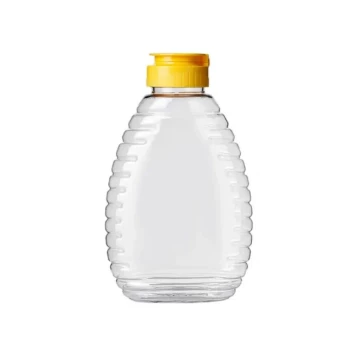
Tightly sealed plastic containers are essential for maintaining the chemical and biological integrity of honey samples during pretreatment and storage. They act as a critical barrier against atmospheric moisture and external contaminants, ensuring that subsequent analytical results reflect the honey's true composition rather than environmental artifacts.
The primary function of these containers is to prevent hygroscopic moisture absorption and block microbial ingress. This preservation is fundamental for accurate quality control analysis, specifically regarding moisture content, acidity, and metal content.
Preserving Physicochemical Integrity
Combating Hygroscopicity
Honey is naturally hygroscopic, meaning it actively attracts and holds water molecules from the surrounding environment.
If a container is not tightly sealed, the honey will absorb moisture from the atmosphere.
This absorption alters the sample's moisture content, leading to inaccurate data during quality control testing.
Maintaining Chemical Stability
Beyond moisture, the seal ensures the stability of other critical parameters, such as acidity and metal content.
The primary reference notes that plastic containers are specifically relied upon to keep these physicochemical properties intact for analysis.
By isolating the sample from the air, you ensure that the metrics recorded in the lab represent the honey's original state.
Ensuring Biological Stability
Blocking Secondary Contamination
During the pretreatment phase, preventing secondary microbial contamination is paramount.
Airtight plastic lids create a physical barrier that stops airborne microorganisms and dust from entering the sample.
This is critical for distinguishing between the honey's native microbiome and external contaminants.
Protecting Unstable Components
Continuous contact with air can degrade unstable bioactive components found in honey.
As noted in supplementary findings regarding stingless bee honey, airtight containment helps preserve these sensitive elements.
This protection ensures that subsequent antimicrobial testing data remains valid and reproducible.
Understanding the Trade-offs
Plastic vs. Glass
While the primary reference emphasizes plastic for pretreatment and storage, it is important to understand why this specific material is chosen over glass in this context.
Glass is often preferred for retail packaging due to superior barrier properties against fermentation and its inert nature during transport.
However, for lab pretreatment, sterile plastic is often favored for its durability, sealing capability (e.g., centrifuge tubes), and ability to facilitate mixing without breakage.
The Risk of Leaching
When analyzing for metal content, the choice of high-quality plastic is deliberate.
Some glass or metal containers can introduce trace elements that skew analytical results.
Therefore, the plastic used must be laboratory-grade and strictly non-reactive to maintain the sample's purity.
Ensuring Analytical Accuracy
To obtain reliable data from your honey samples, select your containment strategy based on your specific analytical goals:
- If your primary focus is moisture and acidity analysis: Use tightly sealed plastic to prevent hygroscopic absorption and chemical shifts caused by air exposure.
- If your primary focus is microbiological or bioactive testing: Prioritize sterile plastic containers with airtight lids to block secondary contamination and oxidation.
Proper containment is not just about storage; it is the prerequisite for guaranteeing the reliability of your scientific data.
Summary Table:
| Feature | Importance in Honey Analysis | Benefit to Lab Quality |
|---|---|---|
| Airtight Seal | Prevents hygroscopic moisture absorption | Maintains accurate moisture content and acidity readings |
| Sterile Plastic | Blocks secondary microbial ingress | Ensures native microbiome purity for bio-testing |
| Non-reactive Surface | Prevents trace element leaching | Guarantees precision in metal content analysis |
| Material Durability | Resists breakage during mixing/centrifuging | Enhances safety and sample throughput efficiency |
Elevate Your Honey Production & Quality Control with HONESTBEE
Maintaining the integrity of your honey—from the lab to the final product—is essential for commercial success. HONESTBEE supports commercial apiaries and distributors by providing a comprehensive wholesale range of professional tools and machinery.
Whether you need precision honey-filling machines to ensure airtight packaging, specialized hive-making hardware, or high-quality consumables for industrial processing, we deliver the reliability your business demands.
Ready to scale your apiary operations? Contact us today to discover how our wholesale beekeeping equipment and honey-themed cultural merchandise can add value to your brand and streamline your production.
References
- Nora Limani Bektashi, Arianit A. Reka. CHARACTERIZATION OF HONEY: DETERMINATION OF METAL AND SUGAR CONTENT. DOI: 10.55302/jafes21752037lb
This article is also based on technical information from HonestBee Knowledge Base .
Related Products
- Classic Drum Shaped Glass Honey Jar with Airtight Lid
- Squeezable No-Drip Beehive-Shaped Honey Jars with Flip-Top Cap
- Classic Beehive Honey Bottle Jar with Squeeze Dispenser Lid
- Professional Insulated Plastic Bee Hives
- Plastic Transporting Bee Packages and Nuc Boxes for Beekeeping
People Also Ask
- What is the best utensil to store honey? Preserve Purity with the Right Container
- How does the appearance of glass jar packaging affect the sales and perception of honey? Boost Your Premium Brand Value
- Why is a glass jar preferred for packaging honey? Ultimate Protection for Purity & Flavor
- What is the aesthetic appeal of using glass jars for honey? Elevate Your Brand with Premium Packaging
- What are the advantages of glass containers for honey? Elevate Quality and Market Value with Premium Packaging