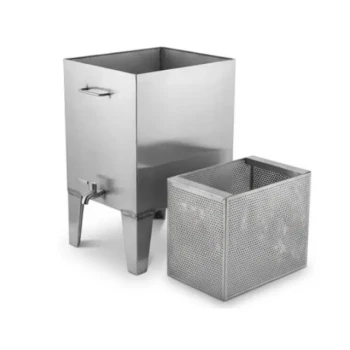
The wax melting process is a critical acceptance strategy used to integrate artificial honeycombs into a bee colony. It involves coating the synthetic surfaces of the container with a thin layer of natural beeswax to overcome the honeybees' inherent instinct to reject foreign materials like plastic. This organic camouflage encourages worker bees to adopt the new cells immediately, allowing them to bypass the rejection phase and start depositing protein feed.
The success of artificial honeycombs hinges on overcoming the hive's natural defense mechanisms. By treating synthetic cells with the wax melting process, you effectively disguise the foreign material, tricking the bees into accepting the structure as their own and accelerating the colony's productivity.
Overcoming Natural Resistance
The Instinct to Reject
Honeybees possess a strong biological imperative to maintain a specific environment within the hive. They naturally recoil from or ignore materials that lack the familiar olfactory and tactile cues of the colony, particularly non-natural materials such as plastic.
Bridging the Material Gap
To solve this, the wax melting process coats the artificial container surfaces with a thin layer of natural beeswax. This layer serves as a biological bridge, masking the underlying synthetic texture with a signal the bees recognize and trust.
Accelerating Colony Productivity
Encouraging Immediate Use
Speed is essential when introducing new equipment to a hive. The beeswax coating drastically reduces the time bees spend investigating or rejecting the frame, encouraging worker bees to move in and accept the artificial cells much more quickly.
Initiating Feed Deposition
Once the bees accept the physical structure, the colony's focus shifts from defense to maintenance. The wax treatment triggers the bees to begin the vital process of depositing protein feed within the cells, ensuring the colony's nutritional needs are met without delay.
Understanding the Trade-offs
The Necessity of Pre-treatment
The primary limitation of artificial honeycombs is that they are rarely "plug-and-play" solutions. Their utility is entirely dependent on the quality of the wax melting process; without this specific treatment, the rejection rate by the colony remains a significant barrier to success.
Reliance on Natural Inputs
Even when using synthetic durability, the process still requires a supply of natural beeswax. You cannot fully escape the biological requirements of the hive, as the artificial system relies on this organic overlay to function effectively.
Making the Right Choice for Your Hive
When integrating artificial honeycombs, your approach should be dictated by your specific management goals.
- If your primary focus is rapid colonization: Prioritize a high-quality, uniform beeswax coating to minimize the rejection period and encourage immediate residency.
- If your primary focus is feed production: Introduce the treated combs during active foraging periods to instantly capture the worker bees' drive to deposit protein feed.
By aligning synthetic tools with organic instincts, you create a seamless transition that benefits both the beekeeper and the bees.
Summary Table:
| Feature | Impact of Wax Melting Process | Benefit to Beekeeper |
|---|---|---|
| Acceptance Rate | Overcomes natural instinct to reject plastic | Faster integration of new frames |
| Odor & Texture | Provides familiar olfactory and tactile cues | Triggers immediate worker bee residency |
| Feed Deposition | Prompts bees to store protein feed sooner | Accelerates colony nutritional cycles |
| Material Utility | Bridges the gap between synthetic and organic | Combines plastic durability with bee biology |
Scale Your Apiary Efficiency with HONESTBEE
Maximize your colony's productivity by choosing the right tools for the job. At HONESTBEE, we specialize in supporting commercial apiaries and distributors with a comprehensive range of professional beekeeping solutions.
Whether you need artificial honeycomb systems, specialized hive-making machinery, or high-performance honey-filling equipment, our portfolio is designed to streamline your operations. Beyond hardware, we provide the essential consumables and honey-themed cultural merchandise needed to grow your brand.
Ready to upgrade your wholesale supply? Contact us today to discover how HONESTBEE’s premium equipment and industry expertise can bring superior value to your beekeeping business.
References
- Serhii Velychko, Ján Brindza. Bee stimulation to form protein food reserves. DOI: 10.5219/1562
This article is also based on technical information from HonestBee Knowledge Base .
Related Products
- Beeswax Melter for Candle Making Honey Bee Wax Melter
- Electric Commercial Beeswax Melter for Factory Use
- Steam Beeswax Melter Wax Warmer for Wax Processing
- Electric Honey Press Machine for Squeezing Honey Comb Press Equipment
- Professional Stainless Steel Wax Melter for Beekeeping and Crafts
People Also Ask
- What is the best way to melt beeswax? Safely Preserve Quality with Indirect Heat
- What is the best way to melt beeswax? Use a Solar Wax Melter for Simple, Pure Results
- What types of beeswax melters are available for beekeepers? Choose the Right One for Your Operation
- What safety precautions should be taken when melting beeswax? A Guide to Flammable Wax Handling
- What types of beeswax melters are available for different scales of beekeeping? Solar vs. Electric Melters Compared