Vacuum freeze-drying is the superior processing method for bee pollen because it bypasses the liquid phase of water entirely. By creating a low-temperature vacuum environment, this process utilizes sublimation to remove moisture, ensuring the pollen is never exposed to the destructive high temperatures inherent in traditional thermal drying. This is strictly necessary to preserve the heat-sensitive lipids, proteins, and phenolic compounds that give bee pollen its commercial and nutritional value.
The Core Insight While traditional heating methods offer speed and pathogen control, only vacuum freeze-drying prevents the thermal degradation of bioactive ingredients. It ensures the retention of the pollen's original biological activity, making it the essential choice for high-value dietary supplements.
The Preservation Mechanism
The Power of Sublimation
The fundamental difference lies in how water is removed. In vacuum freeze-drying, the environment is controlled so that moisture transitions directly from a solid (ice) to a gas (vapor).
This phenomenon, known as sublimation, avoids the liquid phase entirely. This prevents the structural collapse of pollen grains that typically occurs during the evaporation of liquid water.
Maintaining Microstructure
Because the physical structure of the pollen grain is not stressed by heat or liquid evaporation, the final product retains a superior physical form.
This results in excellent rehydration properties, meaning the pollen can return to a near-fresh state when consumed or processed further.
Nutritional and Functional Superiority
Protecting Heat-Sensitive Bioactives
Bee pollen is valued for its complex nutritional profile, much of which is volatile. Traditional high-temperature drying causes rapid degradation of these functional ingredients.
Vacuum freeze-drying effectively locks in lipids, phenolic compounds, and proteins. It specifically protects highly sensitive nutrients such as Vitamin C, B-complex vitamins, and complex enzymes from breaking down.
Retention of Sensory Qualities
Beyond nutrition, commercial value is driven by appearance. Freeze-drying offers significantly better retention of the pollen's natural color compared to thermal methods.
It also preserves high antioxidant activity, which is often a key selling point for "superfood" classifications.
Understanding the Trade-offs
While freeze-drying is the benchmark for quality, it is important to understand how it compares to other industrial methods referenced in the industry.
Efficiency vs. Quality
Microwave drying is significantly faster and uses electromagnetic waves to heat the product internally and externally simultaneously. While this shortens processing time and can improve protein extraction rates, it does not offer the same level of protection for heat-sensitive vitamins as freeze-drying.
Cost vs. Value
Artificial heating (hot air) and Heat Pump technology are generally more energy-efficient or faster (reducing moisture in as little as 2 hours). However, these methods rely on heat, which inevitably leads to some loss of biological activity.
Freeze-drying is often the most expensive operational method due to energy costs and processing time. It is generally reserved for high-end products where the preservation of specific bioactive traits justifies the higher manufacturing cost.
Pathogen Control
It is worth noting that vacuum drying (distinct from freeze-drying) involves heat and is often used specifically to reduce microbial indicators and eliminate mold.
While freeze-drying is excellent for preservation, the primary goal of thermal methods is often rapid stabilization and safety (inhibiting toxigenic fungi like Aflatoxin B1). Freeze-drying focuses on preserving the "living" qualities of the nutrient profile.
Making the Right Choice for Your Goal
To select the appropriate processing method, you must identify the primary value proposition of your end product.
- If your primary focus is Maximum Bioactivity: Choose Vacuum Freeze-Drying. It is the only method that guarantees the retention of heat-sensitive enzymes, vitamins, and lipids for premium supplements.
- If your primary focus is Processing Speed: Choose Microwave Drying. It offers high heating rates and deep penetration, significantly shortening the production cycle.
- If your primary focus is Safety and Stabilization: Ensure your process includes a step capable of microbial reduction, such as controlled Vacuum Drying or Artificial Heating, to effectively eliminate molds and yeasts.
The choice ultimately relies on whether your market values the efficiency of production or the absolute integrity of the nutritional profile.
Summary Table:
| Feature | Vacuum Freeze-Drying | Microwave Drying | Thermal/Heat Pump Drying |
|---|---|---|---|
| Mechanism | Sublimation (Solid to Gas) | Electromagnetic Heating | Heat Evaporation |
| Nutrient Retention | Maximum (Heat-sensitive) | Moderate | Lower |
| Physical Form | Excellent Microstructure | Good | Variable |
| Processing Speed | Slow | Very Fast | Fast/Moderate |
| Primary Value | High-end Bioactivity | Efficiency/Extraction | Cost/Microbial Safety |
Elevate Your Bee Pollen Production with HONESTBEE
To compete in the premium superfood market, your processing technology must deliver absolute nutritional integrity. HONESTBEE empowers commercial apiaries and distributors with the specialized machinery needed to maintain the 'living' quality of bee products.
From high-performance freeze-drying and honey-filling machines to a complete spectrum of wholesale beekeeping tools and equipment, we provide the industrial solutions your business needs to scale efficiently.
Ready to upgrade your facility?
Contact HONESTBEE today to discuss how our professional equipment can enhance your product value and operational capacity.
References
- Angelo Canale, Giovanni Benelli. Bee and Beekeeping Research in a Rapidly Changing World: Advancements and Challenges. DOI: 10.3390/molecules26113066
This article is also based on technical information from HonestBee Knowledge Base .
Related Products
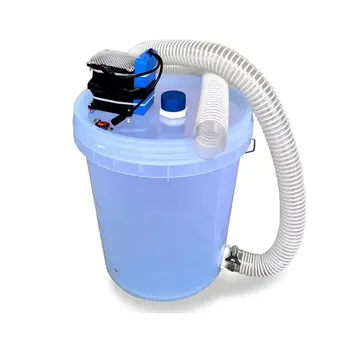
- Portable Electric Bee Vacuum with Lithium Battery and 20L Collection Bucket
- Removable Plastic Pollen Trap With Ventilated Tray for Bees Pollen Collector
- Oxalic Acid Vaporizer 12V for Bee Varroa Mite Treatment
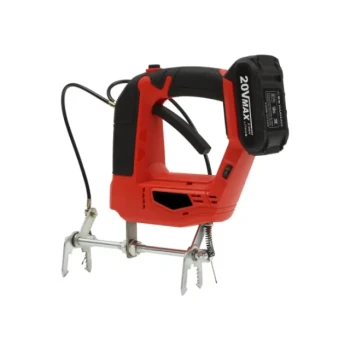
- High Performance Cordless Electric Bee Shaker for Beekeeping
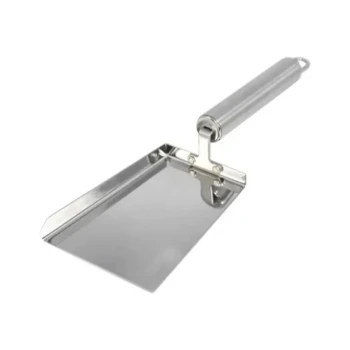
- Heavy-Duty Ergonomic Grip Galvanized Pollen Shovel
People Also Ask
- What are the advantages of using portable bee vacuums for sampling honey bees? Optimize Nosema Detection Efficiency
- Who is qualified to use a bee vacuum? Essential Safety and Experience Requirements for Effective Bee Relocation
- What potential problems can occur when using a bee vacuum? Prevent Colony Mortality and Ensure Safe Bee Removal
- What are the benefits of using a bee vacuum? Safely Remove & Preserve Honey Bee Colonies
- Why do people use bee vacuums? A Humane Solution for Live Bee Removal