Vitellogenin expression is a valuable biological indicator because it shows how hive equipment and management practices affect bees internally—not merely how the colony appears externally. Higher vitellogenin (Vg) levels generally indicate stronger protein reserves, better nutritional status, immune-system priming, and improved capacity for overwintering and brood rearing. This makes Vg especially useful when evaluating hive construction features, such as interior propolis coatings, alongside conventional colony-strength measurements.
Vg connects management decisions with measurable bee physiology. It can reveal whether a hive design or management practice is helping bees build the nutritional and physiological reserves needed for survival, spring buildup, and productive brood rearing.
Why Vitellogenin Matters in Colony Assessment
It reflects internal nutritional reserves
Vitellogenin is a storage protein found in the hemolymph of honey bees. Elevated levels indicate that bees have greater protein reserves available to support essential physiological functions.
A colony may appear active at the entrance while still experiencing nutritional stress. Vg testing can therefore provide information that visual inspections alone may miss.
It is linked to colony resilience
Well-nourished bees with higher Vg concentrations are better positioned to tolerate challenging periods, including winter. Their reserves also support the colony’s ability to resume growth when conditions improve.
This is particularly important when comparing hive equipment or management systems intended to improve environmental stability, resource use, or colony comfort.
It supports brood production
Protein storage is closely connected to the colony’s ability to rear brood. Bees need adequate nutritional reserves to produce brood food and maintain the next generation.
Higher Vg levels can therefore help indicate whether a hive system is supporting the physiological condition required for sustained colony expansion and spring buildup.
How Vg Helps Evaluate Hive Equipment
It provides biological evidence beyond appearance
Hive equipment is often judged by practical observations such as colony population, brood pattern, honey production, or overwintering losses. These measurements remain important, but they are influenced by weather, forage availability, pests, and management timing.
Vg adds a physiological layer to the assessment. It can show whether bees using a particular hive configuration are building stronger internal reserves under comparable conditions.
It can help assess propolis-related designs
Encouraging interior propolis coatings is one example of a hive construction parameter that may influence colony conditions. Measuring Vg levels can provide concrete biological data when determining whether such a design is associated with improved protein storage and subsequent spring buildup.
The measurement does not prove that one feature alone caused the result. It strengthens the evaluation when combined with controlled comparisons and broader colony-performance data.
It supports product validation for the supply chain
For distributors, wholesalers, and B2B resellers, physiological evidence can make product evaluation more credible. Instead of presenting hive equipment only as a construction or convenience product, suppliers can help customers assess its relationship to measurable colony outcomes.
This is especially useful when building a full-spectrum offering that includes hive equipment, inspection tools, management supplies, and technical guidance.
How Vg Complements Proactive Management
It helps identify whether interventions are working
Effective beekeeping anticipates seasonal development rather than relying solely on reactive interventions. Managers may need to strengthen weak colonies, adjust available space, control population growth, or time pest treatments before problems become severe.
Vg measurements can help assess whether these practices are supporting bee condition. They are most informative when interpreted alongside colony population, brood development, food stores, and health observations.
It can guide seasonal decision-making
Vg is particularly relevant when preparing colonies for winter and evaluating their readiness for spring buildup. A colony with stronger protein reserves may be better prepared for overwintering and early brood rearing.
For commercial operations, this type of data can improve comparisons among apiaries, hive designs, and management protocols.
It turns management into a measurable process
Without biological measurements, equipment decisions may depend heavily on anecdotal experience or visible colony activity. Vg expression provides an objective indicator that can be tracked across treatments and seasons.
This supports more consistent purchasing and management decisions, particularly for businesses supplying equipment to beekeepers who need evidence of practical value.
Interpreting Vg Correctly
Vg is an indicator, not a complete colony-strength score
High Vg does not automatically mean that a colony is strong in every respect. Colony strength also depends on adult bee population, brood pattern, queen performance, food availability, disease pressure, parasites, and seasonal conditions.
Vg should therefore be treated as one component of a broader assessment rather than a replacement for inspections and production records.
Comparisons must be controlled
Vg levels can be affected by nutrition, forage conditions, colony demographics, season, and management history. Comparing colonies without accounting for these variables can produce misleading conclusions.
The most useful evaluations compare similar colonies under consistent conditions, with clear treatment and control groups and measurements taken at comparable times.
Expression should be connected to practical outcomes
The purpose of testing is not simply to obtain a laboratory value. Vg results should be connected to outcomes such as winter survival, spring population growth, brood rearing, and overall colony productivity.
This makes the data more useful for both beekeepers and commercial suppliers making equipment or management recommendations.
Understanding the Trade-offs
Testing adds cost and technical complexity
Vg analysis requires appropriate sampling, laboratory capability, and interpretation. It may not be practical for every routine hive inspection or small-scale management decision.
For many operations, periodic testing of representative colonies is more realistic than testing every colony continuously.
A single measurement can be misleading
Vg levels can change with season, worker age, nutritional conditions, and colony task distribution. One sample provides only a snapshot of colony physiology.
Repeated measurements and standardized sampling provide a more reliable basis for evaluating equipment or management practices.
Biological benefits may not translate immediately into productivity
A hive feature associated with higher Vg may support resilience or brood development without producing an immediate increase in honey yield. Colony biology often involves delayed effects and trade-offs between survival, reproduction, and production.
Decision-makers should evaluate both short-term performance and longer-term outcomes such as overwintering success and spring buildup.
Equipment should not be evaluated in isolation
Hive construction cannot compensate for inadequate forage, poor pest control, disease pressure, or poorly timed management. Vg results are most valuable when they form part of an integrated colony-health program.
Making the Right Choice for Your Goal
Vg expression is most useful when it is incorporated into a broader, evidence-based evaluation process.
- If your primary focus is hive-equipment validation: Compare Vg levels between standardized treatment and control colonies, then relate the results to brood growth, overwintering, and spring buildup.
- If your primary focus is colony health: Use Vg alongside inspections, food-store assessments, brood evaluation, and pest and disease monitoring.
- If your primary focus is commercial product support: Provide customers with equipment, inspection tools, management supplies, and clear technical guidance that connect product use with measurable colony outcomes.
- If your primary focus is seasonal planning: Use periodic Vg assessments to help evaluate nutritional readiness for winter and the colony’s capacity for spring development.
Vitellogenin gives beekeepers and equipment suppliers a practical way to connect hive decisions with the biological strength that ultimately determines colony resilience and performance.
Summary Table:
| Indicator | What It Reveals | Role in Colony Strength |
|---|---|---|
| Vitellogenin (Vg) | Protein reserves & nutritional status | Supports overwintering, brood rearing, immunity |
| Colony appearance | External activity and population | May miss internal stress or nutritional deficits |
| Brood pattern | Queen performance and larval health | Reflects reproductive capacity but not reserves |
| Honey stores | Food availability | Essential but not indicative of bee physiology |
| Pest/disease load | Health pressures | Impacts survival but not directly protein reserves |
At HONESTBEE, we help commercial apiaries and distributors unlock colony potential with full-spectrum beekeeping equipment, machinery, and consumables—including hive tools, honey-filling lines, and inspections kits. Our one-stop sourcing ensures rapid response, and certified quality (OEM/ODM supported)—so you can offer customers evidence-based solutions that boost colony strength and profitability. Contact us today to discuss your custom supply needs!
Related Products
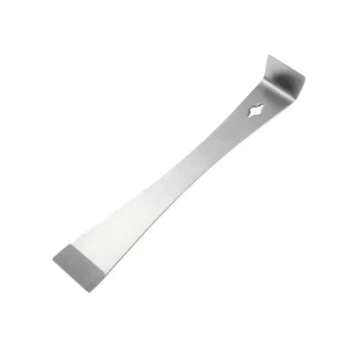
- HONESTBEE Classic Pry Bar Hive Tool with High Visibility Finish for Beekeeping
- Professional Stainless Steel Pry-Bar Hive Tool
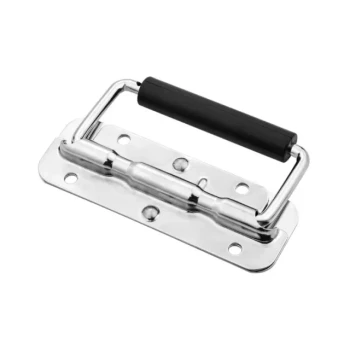
- Ergonomic Two Person Foldable Hive Lifter
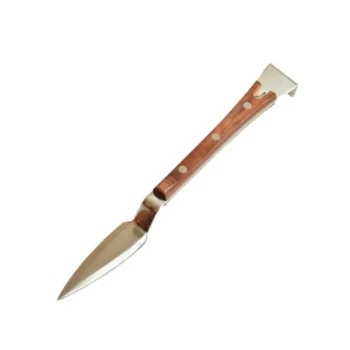
- HONESTBEE Professional Long Handled Hive Tool with Precision Cutting Blade
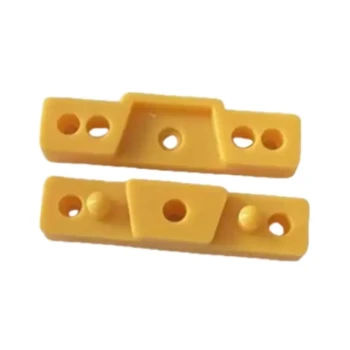
- Durable Plastic Interlocking Hive Connector for Beekeeping
People Also Ask
- What specific challenges do beekeeping hive tools address during hive maintenance? Essential Solutions for Apiaries
- Why are specialized beekeeping tools essential for executing colony health monitoring processes? Enhance Hive Precision
- What are some essential tools for beekeepers? Start Your Apiary with the Right Gear
- What are the essential tools and gear for basic beekeeping? Equip Your Apiary for Success and Safety
- What is the purpose of adding crystalline soda when disinfecting beekeeping tools? Boost Sterilization Efficiency