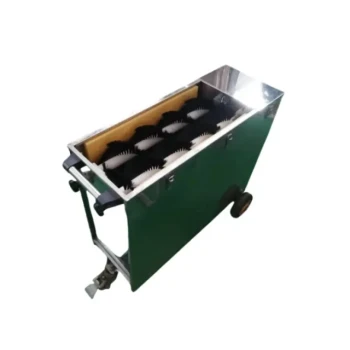
Strict temperature control in bee pollen drying is essential because heat exceeding 42 °C causes irreversible damage to the product's vital nutrients. Crossing this thermal threshold degrades sensitive biological compounds, significantly reducing the pollen's nutritional and therapeutic effectiveness.
The primary goal of regulating drying temperature is to balance moisture removal with the preservation of biological activity. Keeping temperatures at or below 42 °C ensures that enzymes, vitamins, and antioxidants remain intact, protecting the pollen's commercial and functional value.
Preserving Biological Integrity
Protecting Sensitive Enzymes and Vitamins
Enzymes and vitamins found in bee pollen are heat-sensitive organic compounds. When subjected to temperatures above the 42 °C threshold, these molecules denature, effectively destroying their biological structure. This loss renders the pollen less nutritious and strips it of the enzymatic activity often sought by consumers.
Retaining Antioxidant Capacity
Bee pollen is highly valued for its antioxidant polyphenols, specifically total phenolics and flavonoids. These components are chemically volatile and easily broken down by excessive heat. Precision temperature control is the only way to ensure these functional components survive the dehydration process without sustaining thermal damage.
The Balance of Efficiency and Quality
The Moisture Removal Challenge
Drying equipment must facilitate the evaporation of water to prevent spoilage. However, this mechanical necessity must not override the biological requirements of the product. The equipment is designed to remove moisture efficiently while strictly limiting the thermal energy applied to the pollen granules.
Ensuring Functional Potency
The "functional value" of bee pollen refers to its health benefits, which are directly tied to its chemical composition. By maintaining a strict temperature cap, processors ensure that the final product delivers the expected biological benefits.
Understanding the Trade-offs
The Cost of Speed
The most common pitfall in drying biological materials is the temptation to increase temperature to speed up production. While higher heat removes moisture faster, it results in a significant loss of value. A product dried at high temperatures may look identical to raw pollen, but it is biologically "dead."
Precision vs. Generalization
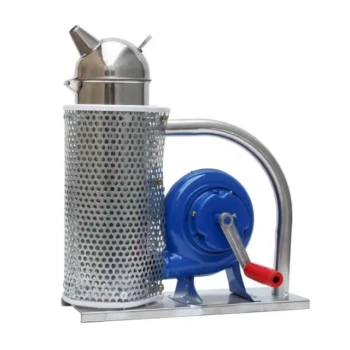
Generic drying equipment often lacks the precision temperature control required for bee pollen. Using standard dehydrators without strict thresholds risks fluctuating temperatures that can spike above 42 °C, inadvertently destroying the enzymes and antioxidants you are trying to preserve.
Maximizing Pollen Quality
To produce high-grade bee pollen, your drying protocol must prioritize temperature stability over processing speed.
- If your primary focus is nutritional integrity: strictly cap your equipment at 42 °C to prevent the destruction of sensitive vitamins and enzymes.
- If your primary focus is product consistency: utilize equipment with precision controls to maintain a stable environment that protects functional components like phenolics.
Ultimately, maintaining this strict temperature threshold is the only way to transform raw pollen into a shelf-stable product without sacrificing its biological power.
Summary Table:
| Key Factor | Impact of Exceeding 42 °C | Preservation Benefit |
|---|---|---|
| Enzymes & Vitamins | Denaturation and loss of biological activity | Maintains nutritional and therapeutic value |
| Antioxidants | Breakdown of phenolics and flavonoids | Retains high functional potency for consumers |
| Moisture Removal | Faster drying but risks "heat-killing" pollen | Ensures shelf-stability without quality loss |
| Market Value | Lowered due to degraded chemical profile | Commands premium pricing for high-grade pollen |
Elevate Your Bee Product Quality with HONESTBEE
At HONESTBEE, we understand that precision is the difference between raw nutrition and a degraded product. As a dedicated partner to commercial apiaries and distributors, we provide professional-grade beekeeping machinery and tools designed to meet the strictest industry standards.
Whether you need precision bee pollen drying equipment, honey-filling machines, or specialized hive-making hardware, our comprehensive wholesale offering ensures your operation maximizes efficiency without sacrificing biological integrity. We also supply a full array of essential consumables and honey-themed cultural merchandise to help you scale your brand.
Ready to upgrade your processing standards? Contact us today to discover how our equipment can protect your product's value.
References
- Ingmārs Cinkmanis, Velga Miķelsone. Influence of Lyophilization and convective type drying on antioxidant properties, total phenols and flavonoids in pollens. DOI: 10.22616/foodbalt.2017.038
This article is also based on technical information from HonestBee Knowledge Base .
Related Products
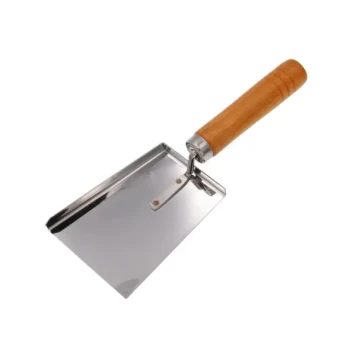
- Stainless Steel Pollen Shovel with Wooden Handle
- Heavy-Duty Ergonomic Grip Galvanized Pollen Shovel
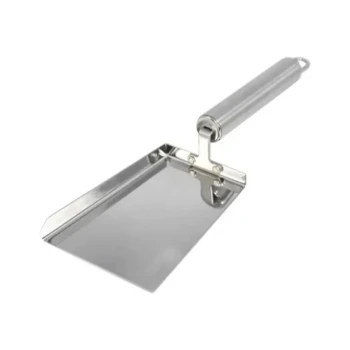
- Heavy-Duty Ergonomic Stainless Steel Pollen Shovel
- Plastic Bee Pollen Trap Strips Comb Catcher Collector
- Removable Plastic Pollen Trap With Ventilated Tray for Bees Pollen Collector
People Also Ask
- How do bee pollen collection tools affect the quality of bee pollen used in functional dairy ice cream production?
- Why should commercial apiaries focus on the collection of diversified bee products? Maximize Your Hive’s Profit Potential
- How does a specialized pollen collector facilitate the harvesting of diverse bee products? Automate High-Value Yields
- What is the impact of pollen collectors and associated equipment on the cost structure of pollen production? Maximize ROI
- What is the technical significance of using specialized cutting tools for propolis? Master Precision Pollen Harvesting