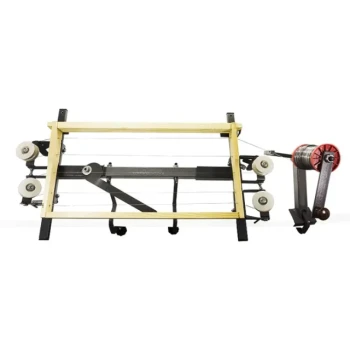
Dedicated watering equipment is mandatory in apiary management to strictly control the quality of hydration available to the colony. Honeybees require significant water for thermoregulation, metabolism, and food processing; without a provided source, they will instinctively seek out local water which may be contaminated with lethal pathogens or pesticide residues.
Providing a controlled water source is the only way to safeguard bees from environmental toxins while ensuring they have the resources needed to regulate hive temperature and maintain foraging efficiency.
The Biological Necessity of Water
Honeybees do not consume water merely to quench thirst; it is a critical resource for the mechanical and physiological operations of the hive.
Regulating Nest Temperature
Bees function as a collective organism that must maintain a specific internal temperature. Water is collected and evaporated within the hive to cool the nest on hot days. Without accessible water, the colony risks overheating, which can threaten brood survival.
Diluting Concentrated Food
Stored honey and nectar are often too thick or concentrated for direct consumption, particularly by larvae. Bees use water to dilute these food stores. This process ensures that the colony’s nutrition is metabolically accessible to all members.
Supporting Metabolism
Water is a fundamental requirement for basic insect metabolism. It facilitates the chemical processes necessary for energy production and physical activity. A dehydrated bee cannot function effectively.
The Risks of Uncontrolled Sources
If an apiary manager does not provide water, bees will find it elsewhere. This lack of control introduces severe variables that jeopardize colony health.
Exposure to Pathogens
Natural or urban water sources often harbor bacteria and viruses harmful to insects. Dedicated equipment allows the apiary manager to ensure water is clean and potable. This significantly reduces the vector for disease transmission within the hive.
Avoiding Pesticide Residues
Puddles, drainage ditches, and agricultural runoff are common water sources for foraging bees. These sources frequently contain high concentrations of agricultural chemicals and pesticide residues. Providing a clean source prevents bees from ingesting these poisons and tracking them back to the colony.
Understanding the Trade-offs
While providing water requires additional equipment and maintenance, the cost of not doing so is significantly higher in terms of colony viability.
The Cost of Contamination
Reliance on environmental water sources is a gamble with colony health. The effort required to clean and refill watering stations is negligible compared to the loss of a colony due to poisoning or disease outbreak.
Impact on Foraging Efficiency
When bees must travel long distances to find water, they expend energy that could be used for foraging nectar and pollen. A nearby, dedicated water source maintains high levels of flight activity. This proximity improves overall foraging efficiency and hive productivity.
Making the Right Choice for Your Apiary
Implementing dedicated watering systems is a strategic decision that impacts both survival and output.
- If your primary focus is Colony Health: Prioritize dedicated equipment to eliminate the risk of poisoning from pesticide-laden runoff and infection from pathogen-rich standing water.
- If your primary focus is Productivity: Place water sources close to the hives to minimize travel time, maximizing the energy available for nectar collection and honey production.
Control the water source, and you control a critical variable in the stability of your apiary.
Summary Table:
| Necessity Factor | Role in the Apiary | Risk of Poor Quality |
|---|---|---|
| Thermoregulation | Evaporative cooling to maintain nest temperature | Risk of colony overheating and brood loss |
| Food Processing | Dilutes thick honey and nectar for larvae | Impaired nutrient absorption and metabolism |
| Disease Control | Provides pathogen-free hydration | Exposure to bacteria and lethal viruses |
| Chemical Safety | Prevents ingestion of agricultural runoff | Acute poisoning from pesticide residues |
| Efficiency | Reduces flight distance for water foragers | Decreased nectar collection and honey yield |
Secure Your Apiary’s Success with HONESTBEE
At HONESTBEE, we understand that professional beekeeping requires precision and reliability. We cater to commercial apiaries and distributors by providing a comprehensive wholesale range of high-quality beekeeping tools and machinery. Whether you need specialized hardware like hive-making and honey-filling machines or essential consumables to maintain hive health, our portfolio is designed to enhance your operational efficiency.
Don't let contaminated water sources compromise your colony’s health or your apiary’s productivity. Partner with us for expert solutions and professional-grade equipment tailored to the needs of the modern industry.
Ready to scale your production? Contact us today to learn how our equipment and machinery can drive your business forward.
References
- RB Thapa, S. Pokhrel. Impact of Supplement Diets on Flights of Cross Breed Honeybee (<i>Apis mellifera</i> L.). DOI: 10.3126/jiaas.v26i0.614
This article is also based on technical information from HonestBee Knowledge Base .
Related Products
- Automatic Honey Filling and Filtering Machine for Beekeeping Bottle Filling
- HONESTBEE Entrance Bee Feeder Efficient Hive Front Liquid Feeding Solution for Beekeeping
- Plastic Beekeeping Honey Bee Larvae Grafting Tools for Queen Rearing and Chinese Grafting
- Stainless Steel Honey Bee Smoker Hive and Honeycomb Smoker for Beekeeping
- HONESTBEE Round Hive Top Bee Feeder for Syrup
People Also Ask
- What process advantages do professional honey filtering and filling machines provide? Optimize Your Organic Honey Output
- How do honey filling and filtering machines increase product value? Turn Raw Honey into Premium Export-Grade Goods
- How do honey filtration and filling machinery contribute to industrialization? Scale Your Commercial Honey Production
- What specific issues do industrial filtration and automated filling machinery address? Ensure Honey Quality & Compliance
- How does the use of professional honey filtration and filling machinery facilitate international honey exports?