Beekeeping success hinges on striking the right balance between vigilance and restraint. While hive inspections are crucial for monitoring colony health, over-inspecting can disrupt bee behavior, increase stress, and even trigger swarming. This guide unpacks the science behind inspection intervals, reveals key indicators demanding immediate attention, and shares adaptive strategies from master beekeepers—helping you customize a schedule that aligns with your hive’s unique needs.
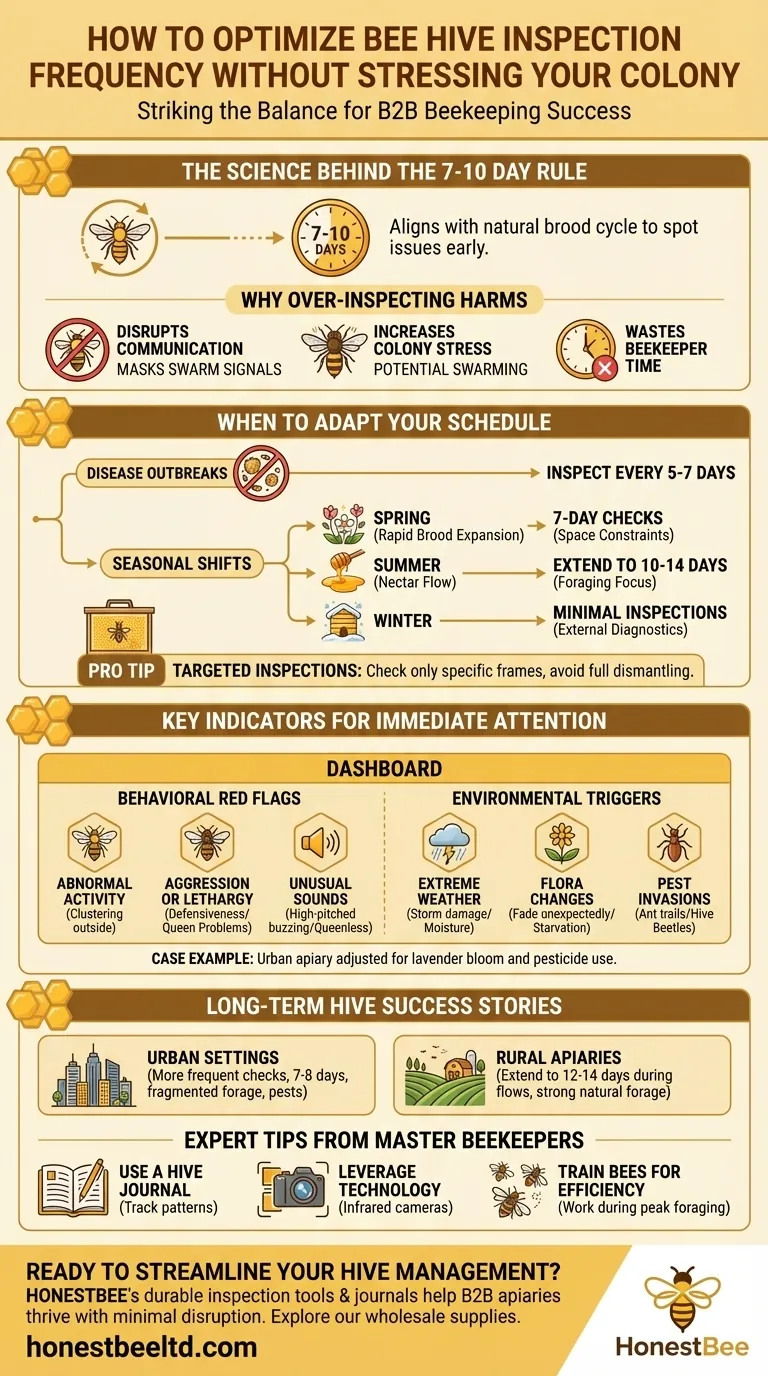
The Science Behind the 7-10 Day Inspection Rule
The conventional 7–10 day inspection window isn’t arbitrary. Research shows this interval aligns with honeybees’ natural brood cycle, allowing beekeepers to spot issues (like queen failure or disease) before they escalate. However, rigid adherence can backfire.
Why Over-Inspecting Harms Swarm Prevention Efforts
Frequent hive disturbances:
- Disrupt pheromone communication, masking swarm-preparation signals like queen cell construction.
- Increase colony stress, potentially accelerating swarming as bees seek quieter environments.
- Waste beekeeper time—inspections should have clear objectives, like checking brood patterns or honey stores, not routine "looks."
When to Shorten or Extend the Interval
Adapt based on these factors:
- Disease outbreaks: Suspect foulbrood or varroa mites? Inspect every 5–7 days until resolved.
-
Seasonal shifts:
- Spring (rapid brood expansion): 7-day checks to monitor space constraints.
- Summer nectar flow: Extend to 10–14 days; bees are focused on foraging.
- Winter: Minimal inspections; rely on external hive diagnostics (e.g., weight checks).
Pro Tip: Master beekeepers recommend "targeted inspections." Instead of dismantling the entire hive, check only frames with brood or honey stores if no red flags exist.
Key Indicators Your Hive Needs Immediate Attention
Deviating from your schedule is warranted when these behavioral or environmental red flags appear:
Behavioral Red Flags Beyond the Standard Timeline
- Abnormal activity: Bees clustering outside the hive during daytime may indicate overcrowding or ventilation issues.
- Aggression or lethargy: Sudden defensiveness or lack of foraging could signal queen problems or pesticide exposure.
- Unusual sounds: High-pitched buzzing may mean a queenless colony.
Environmental Triggers Demanding Action
- Extreme weather: After storms, check for structural damage or moisture buildup.
- Flora changes: If local blooms fade unexpectedly, inspect honey stores to prevent starvation.
- Pest invasions: Ant trails or hive beetle sightings require prompt intervention.
Case Example: An urban apiary in Portland reduced inspections to biweekly during a lavender bloom, but resumed weekly checks after nearby pesticide use was reported.
Long-Term Hive Success Stories
Adaptive Inspection in Urban vs. Rural Apiaries
- Urban settings: More frequent checks (7–8 days) due to fragmented forage and higher pest pressure.
- Rural apiaries: Often extend to 12–14 days during heavy flows, relying on strong natural forage.
Expert Tips from Master Beekeepers
- Use a hive journal: Track inspection findings to identify patterns (e.g., annual mite spikes).
- Leverage technology: Infrared cameras can assess hive health without opening the box.
- Train bees for efficiency: Some beekeepers condition hives to tolerate brief inspections by working during peak foraging hours.
Ready to streamline your hive management? HONESTBEE’s durable inspection tools and hive journals help commercial apiaries and distributors maintain healthy colonies with minimal disruption. Explore our wholesale-focused beekeeping supplies—designed to save you time while keeping your bees thriving.
Visual Guide
Related Products
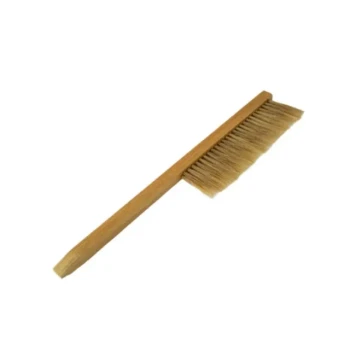
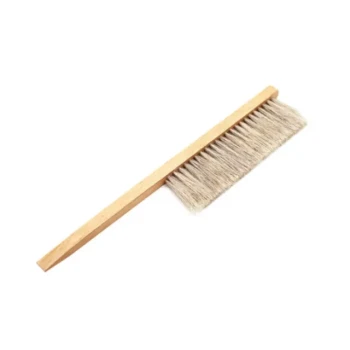
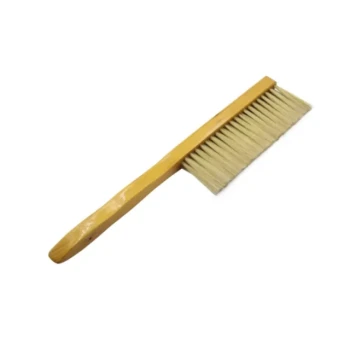
- Classic Wooden Bee Brush with Double-Row Boar Bristles
- Professional Large-Format Hive Number Set for Beekeeping
- Wholesales Dadant Size Wooden Bee Hives for Beekeeping
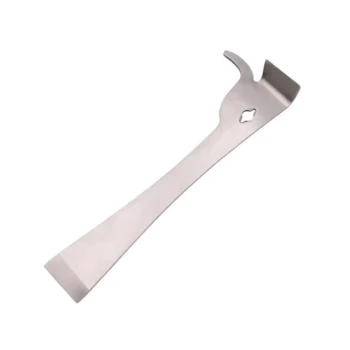
- HONESTBEE Professional Mini J-Hook Hive Tool for Beekeeping
- Wooden Bee Hive Frames for Beekeeping and Wholesale
Related Articles
- The Silent Profit Killer: Why a Simple Bee Brush Can Make or Break Your Harvest
- Your Bee Brush Is Slowing You Down. Here’s What Commercial Apiaries Use Instead.
- A Beekeeper's Oath: The Biosecurity and Ethics Engineered into a Bee Brush
- The Gentle Command: Why the Bee Brush is a Masterclass in Hive Psychology
- Gentleness Has a Price: The Engineering Trade-off in Bee Brushes