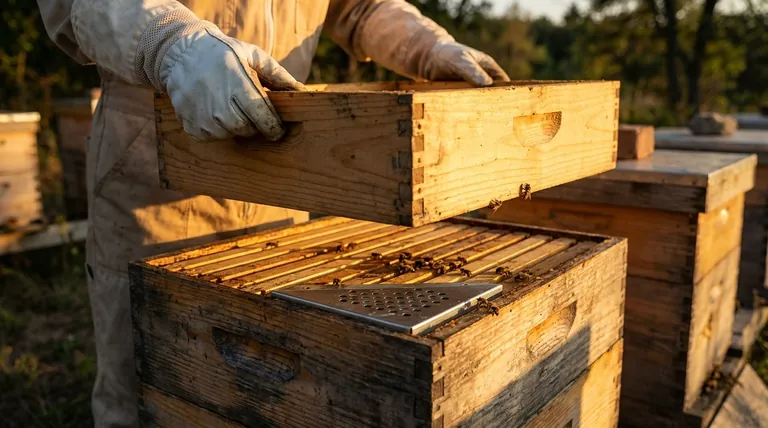
The Frustration of a Full Super
Imagine this: you arrive at your apiary on a cool morning, ready for a calm, efficient honey harvest. Yesterday afternoon, you installed a bee escape board—a tool promising a super nearly empty of bees, saving you the stress of smoke and brushing.
You lift the lid, expecting quiet. Instead, you're met with the same busy hum as yesterday. The super is still full.
This is a common, frustrating failure. The tool, a simple piece of plastic and wood, didn't break. The physics of it works perfectly. The failure is almost always psychological; a misunderstanding of the colony's powerful, non-negotiable instincts.
A Tool Designed Around Instinct
A bee escape is not a brute-force filter. It's an elegant piece of engineering that works with bee behavior, not against it. Its success depends entirely on creating conditions where the bees choose to leave.
The Navigational Puzzle
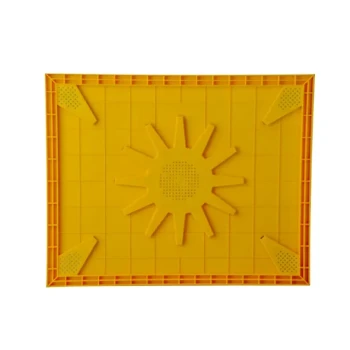
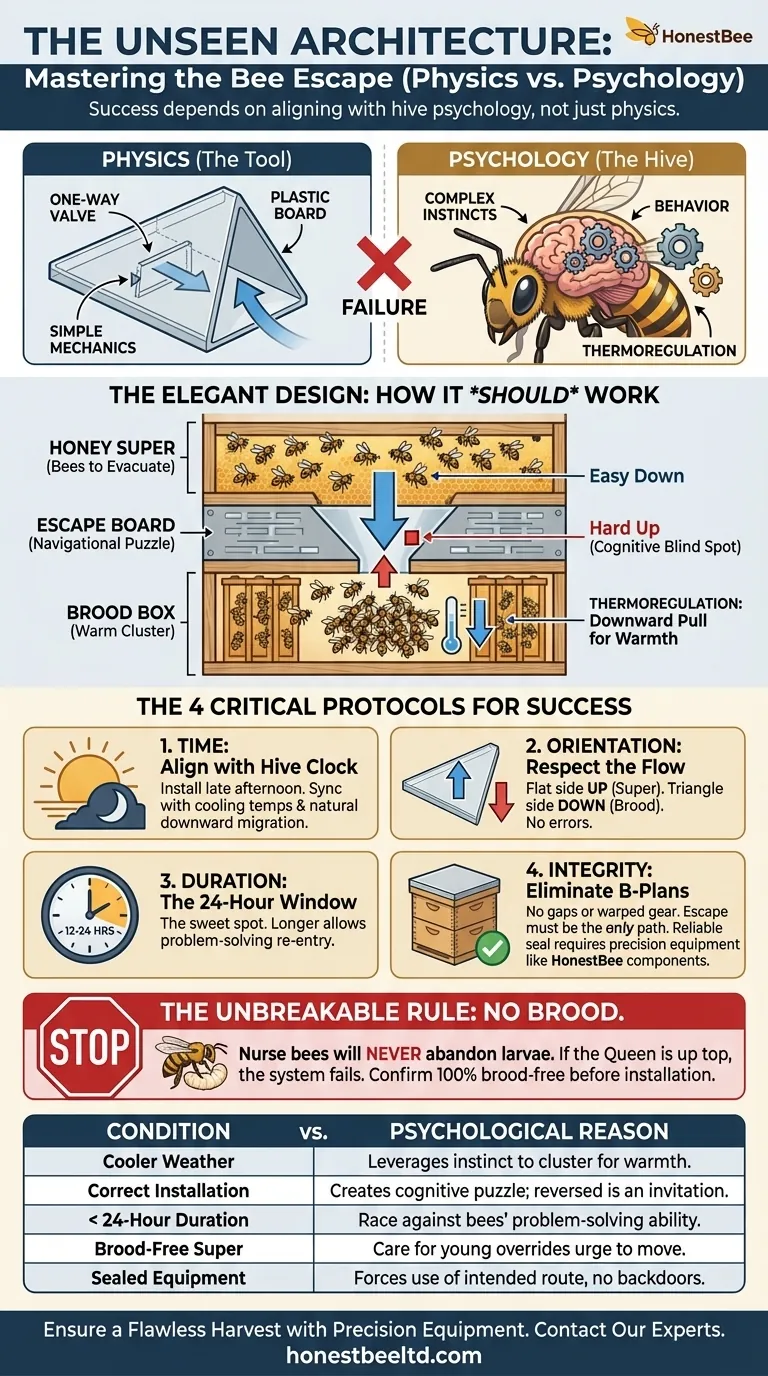
The classic triangle escape is a one-way maze. Bees in the honey super easily find the wide entrance and navigate down into the brood box below. It feels like an open path.
Once they are through, however, their world changes. To return, they must locate the tiny, single-point apex of the triangle. It's a cognitive puzzle that is incredibly difficult for them to solve. The tool creates a navigational blind spot.
The Downward Pull of the Cluster
The escape leverages a powerful biological urge: thermoregulation. As temperatures drop in the late afternoon and overnight, bees naturally migrate downward to join the main cluster in the brood box. They seek warmth and community.
The escape board doesn't force them out; it simply offers a convenient, one-way door for a journey they already want to take.
The Protocols for a Predictable Outcome
To turn this elegant theory into a predictable reality, you must operate within a strict set of protocols. Deviating from them means you are no longer aligned with the bees' instincts.
1. The Time Protocol: Align with the Hive's Clock
Install the board in the late afternoon or early evening. This timing is critical. You are synchronizing your work with the setting sun and dropping temperatures, giving the colony the entire night to follow its natural impulse to cluster downward.
2. The Orientation Protocol: Respect the Flow
This is a simple, mechanical rule with zero room for error. The board's flat surface must face up (toward the honey), and the triangle maze structure must face down (toward the brood).
Installed upside down, the ingenious escape becomes a welcoming funnel, guiding bees into the super.
3. The Duration Protocol: The 24-Hour Window
Leave the escape on for 12 to 24 hours. This is the sweet spot. It provides enough time for the vast majority of bees to exit.
Leaving it longer is counterproductive. Bees are relentless problem-solvers. Given 48 hours, a few resourceful foragers will inevitably find the exit or discover other ways back in.
4. The Integrity Protocol: Eliminate B-Plans
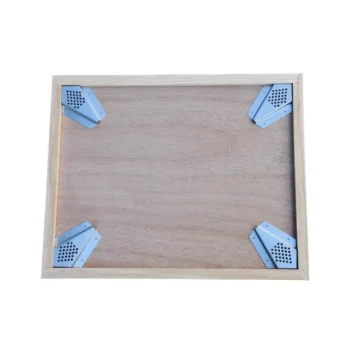
The bee escape must be the only path between the super and the brood box. If your hive bodies are old, warped, or have gaps, you have created unauthorized backdoors. The bees will use them, bypassing your carefully laid plan entirely.
This is where the quality of your equipment becomes non-negotiable. Commercial operations rely on precision-milled, durable hive components like those from HONESTBEE to ensure a perfect seal every time. Without it, you're gambling.
The Unbreakable Rule: Brood is Non-Negotiable
Here lies the single greatest reason for failure. If the queen has found her way into the honey super and laid eggs, the system will fail.
You are witnessing a conflict of instincts. The drive to move down for warmth is strong, but the drive of nurse bees to care for larvae and pupae is absolute. They will not abandon the brood. No environmental cue you create can override this biological imperative.
Before ever placing an escape board, you must confirm the honey super is 100% free of brood. It is the one rule that cannot be bent.
From Theory to a Flawless Harvest
Mastering the bee escape isn't about the tool itself. It's about seeing the hive not as a box of insects, but as a complex system governed by deeply ingrained behaviors. Your job is to align your actions perfectly with that unseen architecture.
| Condition | The Psychological Reason It Matters |
|---|---|
| Cooler Weather | Leverages the bees' natural instinct to cluster for warmth. |
| Correct Installation | Creates a one-way cognitive puzzle; reversed, it's an invitation. |
| < 24-Hour Duration | A race against the bees' ability to problem-solve and find re-entry. |
| Brood-Free Super | The instinct to care for young will always override the instinct to move. |
| Sealed Equipment | Eliminates alternative paths, forcing bees to use the intended route. |
By respecting these protocols, you can achieve the calm, efficient harvest the bee escape promises. It requires precision, foresight, and an appreciation for the psychology of the hive.
The foundation of this precision is reliable, well-crafted equipment that fits together perfectly, season after season. To ensure your apiary's hardware isn't the weak link in your system, Contact Our Experts
Visual Guide
Related Products
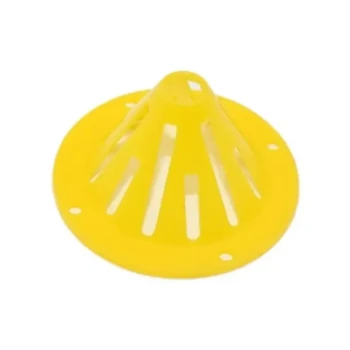
- Professional Cone Style Bee Escape for Efficient Honey Harvesting
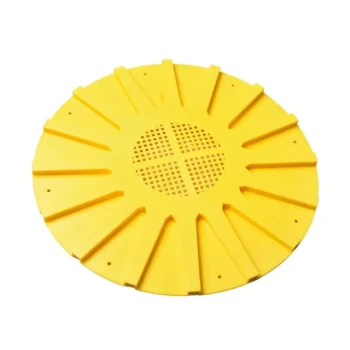
- Durable 16 Way Circular Bee Escape for Efficient Honey Harvesting
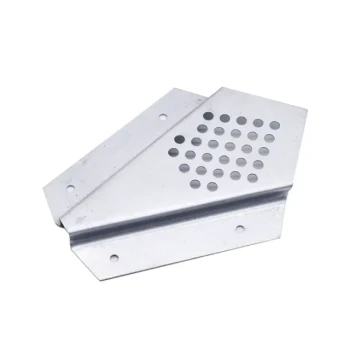
- Heavy Duty Metal Corner Bee Escape for Reliable Hive Clearing
- HONESTBEE Wooden Bee Escape Board with Triangle Mesh Design for Beekeeping
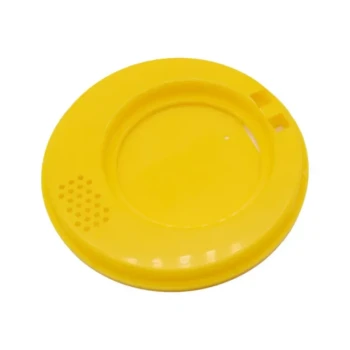
- Circular Labyrinth Bee Escape for Efficient Hive Management
Related Articles
- How to Clear Honey Supers Humanely: Reliable Methods & Troubleshooting
- An Elegant Deception: The Behavioral Science of the Bee Escape Board
- The Engineer's Gambit: Why Your Bee Escape Board Fails
- Beyond the 24-Hour Rule: The Psychology of the Bee Escape Board
- How Bee Escape Boards Enable Ethical Honey Harvests Without Colony Stress