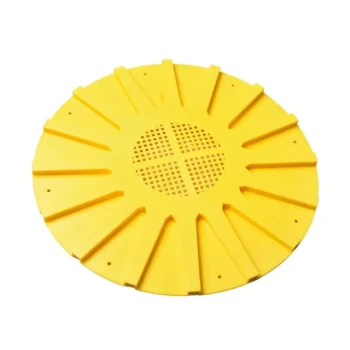
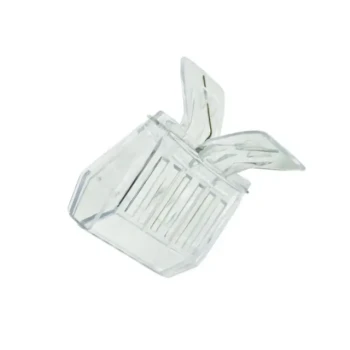
No, the dimensions and spacing are not standardized. Queen excluders vary significantly between manufacturers, meaning you cannot assume every excluder will fit your hive perfectly or function identically. While the goal is a specific gap size, the actual spacing between wires or grids often differs from brand to brand.
Core Takeaway Ideally, excluder openings target a specific size of approximately 0.163 inches (4.1 mm) to allow workers through while blocking the queen. However, due to manufacturing inconsistencies, non-standard spacing is common and can unintentionally create traffic bottlenecks that slow down worker movement within the hive.
The Mechanics of Exclusion
The Target Gap
The functional goal of any queen excluder is selective passage. The design relies on a precise gap, typically around 0.163 inches (4.1 mm).
This dimension is critical. It is calculated to be just large enough for smaller worker bees to squeeze through, yet small enough to physically stop the larger queen and drones.
Material Variations
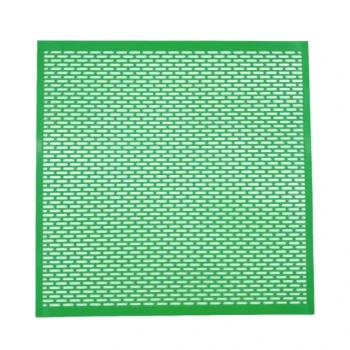
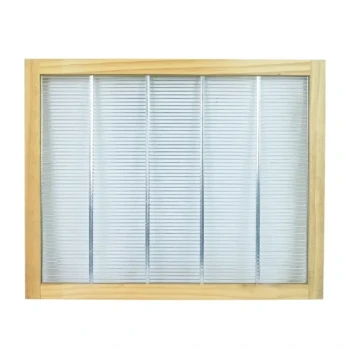
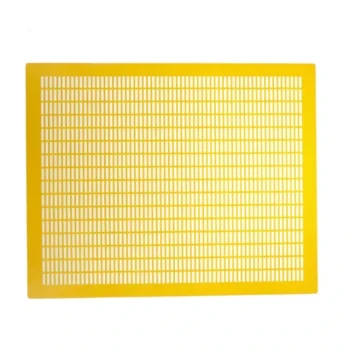
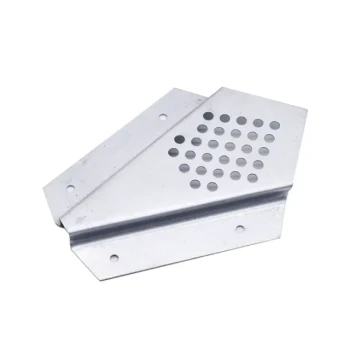
Excluders are not limited to a single build style. You will encounter them as perforated sheets of metal, molded plastic, or wire grids set into a frame.
Some beekeepers even utilize #5 hardware cloth screens. This material is recognized for being effective at stopping the queen while still permitting worker traffic.
Inconsistent Manufacturing
Despite the theoretical target size, real-world products are not all standardized. Different manufacturers produce excluders with non-standard spacing.
This means one brand's "standard" excluder might feature slightly tighter or looser tolerances than another's.
Impact on Hive Performance
Restricted Movement
The primary consequence of non-standard spacing is the restriction of worker bees. If the gaps are manufactured too small or inconsistent, it becomes difficult for workers to pass through.
This does not usually stop them entirely, but it forces them to struggle or hesitate. This creates a bottleneck that slows down their movement between the brood nest and honey supers.
Physical Safety of Bees
Despite the difficulty regarding movement, tight excluders generally do not harm the bees.
Current observations suggest that while the variation slows the colony down, it does not typically cause physical damage or injury to the workers squeezing through the grid.
Understanding the Trade-offs
Exclusion vs. Efficiency
The tighter the spacing, the more certain you are that the queen cannot breach the barrier. However, this security comes at the cost of hive efficiency.
A "stricter" excluder with smaller gaps creates congestion. This can frustrate the colony and potentially reduce the speed at which nectar is stored in the upper supers.
Manufacturing Precision
Cheaper or non-standardized excluders may save money upfront but often lack precision.
High-quality wire grids usually offer more consistent spacing than stamped metal or plastic. If the spacing varies too much across a single sheet, you risk blocking workers in some areas while accidentally letting the queen through in others.
Making the Right Choice for Your Apiary
The lack of standardization means you must evaluate your equipment carefully to ensure it aids, rather than hinders, your colony.
- If your primary focus is hive productivity: Inspect your excluders for consistent spacing; avoid grids that appear visibly tight, as these will act as a bottleneck for nectar storage.
- If your primary focus is strict queen management: verifying the gap is as close to 0.163 inches (4.1 mm) as possible is essential to prevent the queen from slipping into honey supers.
- If your primary focus is DIY or budget solutions: You can utilize #5 hardware cloth, which provides a reliable balance between blocking the queen and allowing worker passage.
Measure your equipment before installation to ensure your bees have the freedom they need to work efficiently.
Summary Table:
| Feature | Target Specification | Material Options | Impact of Inconsistency |
|---|---|---|---|
| Gap Size | 0.163 in (4.1 mm) | Wire, Plastic, Perforated Metal | Traffic bottlenecks or queen passage |
| Worker Access | High (Selective) | Hardware Cloth (#5) | Slower nectar storage efficiency |
| Queen Containment | Absolute | Framed Wire Grids | Risk of brood in honey supers |
| Durability | High | Galvanized or Stainless Steel | Deformed wires lead to failure |
Maximize Your Apiary Productivity with HONESTBEE
Don't let inconsistent equipment slow down your honey production. At HONESTBEE, we understand the precise needs of commercial apiaries and distributors. We provide a comprehensive wholesale range of high-precision beekeeping tools, from standardized queen excluders to advanced honey-filling machinery and specialized hive-making equipment.
Why partner with HONESTBEE?
- Precision Engineering: Our tools ensure consistent spacing to eliminate worker bottlenecks.
- Full Spectrum Supply: We offer everything from essential consumables to large-scale apiary machinery.
- Bulk Efficiency: Tailored wholesale solutions for global distributors.
Ready to upgrade your beekeeping operations? Contact us today to explore our full portfolio and discover how we can streamline your honey production.
Related Products
- High Performance Plastic Queen Excluder for Beekeeping and Apiary Management
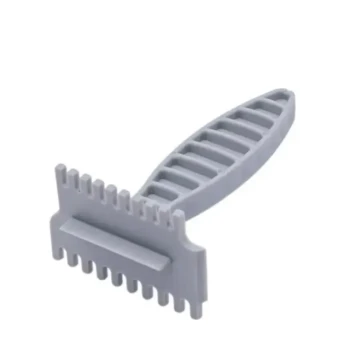
- Lightweight Durable Plastic Queen Excluder Scraper for Beekeeping
- Premium Wood Framed Metal Wire Queen Bee Excluder
- Professional Plastic Queen Excluder for Modern Beekeeping
- Metal Queen Bee Excluder for Beekeeping
People Also Ask
- What are the characteristics of a plastic queen excluder? Key Benefits for Cost-Effective Beekeeping
- What are the operational and cost advantages of using plastic queen excluders over metal or wire excluders in commercial hive management? Discover how they reduce labor, prevent wing damage, and lower total costs.
- What types of queen excluders are available for beekeepers? Choose the Right Tool for Your Hive
- Why are standardized hive frames and queen excluders essential for maintaining honey purity and quality? Scale Your Purity
- Do plastic queen excluders work? A Cost-Effective Solution for Modern Apiaries