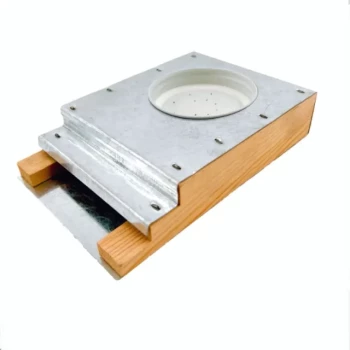
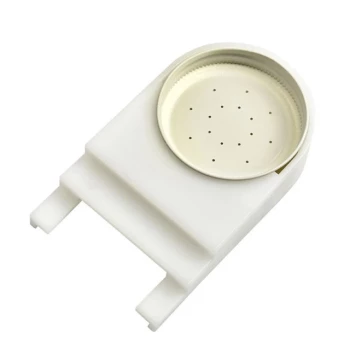
Emergency nutritional intervention is the primary method for sustaining honeybee colonies during severe hornet attacks. When "defensive stress" forces the colony to cease foraging, feeders and high-concentration nutritional consumables are utilized to artificially replace the external food sources the bees can no longer access.
The core purpose of this intervention is to bridge the resource gap caused by the colony's defensive lockdown. By artificially supplementing the hive, you prevent starvation, maintain internal metabolism, and ensure the queen continues egg production, thereby avoiding colony collapse.
The Physiology of Defensive Stress
The Cessation of Foraging
When a colony is under siege by hornets, the bees prioritize defense over resource gathering. This reaction, known as defensive stress, causes the colony to effectively lock down.
Foraging activities stop completely as workers refuse to leave the safety of the hive. This creates an immediate halt in the inflow of nectar and pollen.
The Metabolic Danger
Despite the lack of incoming food, the colony's internal energy demands remain high. The bees must maintain the hive's temperature and defend the entrance, burning through reserves rapidly.
Without intervention, this imbalance leads to a rapid depletion of stored resources. The colony faces an immediate risk of starvation and metabolic failure.
The Role of Feeders and Consumables
Providing High-Concentration Nutrition
During these emergencies, standard feed is often insufficient. High-concentration nutritional consumables are used to provide maximum energy density.
These consumables act as a direct substitute for the nectar flow that has been cut off. They sustain the vital signs of the individual bees and support the colony's collective internal metabolism.
Protecting the Queen’s Productivity
One of the most critical functions of artificial feeding is to signal abundance to the queen. Under stress and resource scarcity, a queen will typically stop laying eggs to conserve energy.
By maintaining high nutritional levels artificially, you prevent the queen from ceasing egg production. This protects the colony's future population and prevents a demographic collapse after the hornet threat subsides.
Understanding the Necessity of Intervention
The Risk of Inaction
It is a common misconception that a colony can simply "wait out" a hornet siege on existing stores. The defensive energy expenditure is too high.
Without artificial supplementation, the colony does not just get hungry; it begins to shut down biologically. The "vital signs" of the superorganism falter, leading to irreversible collapse.
Artificial vs. Natural Balance
This intervention is a temporary, artificial life-support measure. It is designed to override the natural instinct to conserve resources by shutting down brood rearing.
You are effectively tricking the colony into believing resources are available, forcing them to maintain a "growth" metabolism even while under attack.
Making the Right Choice for Your Goal
When managing colonies under hornet pressure, your intervention strategy should align with your specific objectives for the hive's continuity.
- If your primary focus is Immediate Survival: Prioritize high-concentration carbohydrates to maintain the basic vital signs and internal metabolism of the adult worker population.
- If your primary focus is Colony Continuity: Ensure consistent, uninterrupted feeding to prevent the queen from sensing a dearth and stopping egg production.
Successful intervention converts a potential colony collapse into a manageable period of confinement.
Summary Table:
| Intervention Component | Role in Emergency | Strategic Benefit |
|---|---|---|
| Feeders | Internal resource bridge | Bypasses the need for foraging while colony is in lockdown |
| High-Concentration Feed | Immediate energy source | Sustains metabolic needs and defensive energy expenditure |
| Protein Supplements | Nutritional signaling | Encourages the queen to maintain egg production during stress |
| Internal Placement | Secure accessibility | Allows bees to feed safely without exposing them to hornets |
Secure Your Apiary's Survival with HONESTBEE
When hornet pressure threatens your commercial livelihood, the right tools make the difference between a thriving colony and total collapse. HONESTBEE specializes in supporting commercial apiaries and distributors with professional-grade beekeeping machinery and equipment.
Our comprehensive wholesale range includes specialized feeders, nutritional supplement tools, and hive-making machinery designed for high-performance colony management. Whether you need the equipment to automate your honey-filling or the essential consumables to weather a defensive stress event, we provide the industrial-scale solutions you need to scale your operations.
Protect your investment and ensure colony continuity—contact us today for wholesale inquiries and expert equipment advice.
References
- Т. В. Коновалова. The species composition of wasps-pests of honeybees Apis mellifera L.. DOI: 10.30917/att-vk-1814-9588-2018-1-8
This article is also based on technical information from HonestBee Knowledge Base .
Related Products
- HONESTBEE Entrance Bee Feeder Professional Hive Nutrition Solution for Beekeeping
- HONESTBEE Round Hive Top Bee Feeder for Syrup
- HONESTBEE Professional Entrance Bee Feeder Hive Nutrition Solution
- Professional In-Hive Bee Feeder HONESTBEE Frame for Beekeeping
- Professional Hive Top Bee Feeder for Beekeeping
People Also Ask
- What types of bee feeders are available for beginners? Start with the Simple Entrance Feeder
- What are the advantages and disadvantages of using an entrance feeder for bees? Balance Convenience and Hive Security.
- What is a bee entrance feeder and what are its drawbacks? Essential Guide to Hive Security and Feeding Efficiency
- How does a bee entrance feeder work? A Simple Guide to Convenient Hive Feeding
- How to make an entrance feeder for bees? A DIY Guide for Safe & Effective Feeding