Commercial apiary hardware can mirror wild honeybee defenses by creating a physical, non-chemical barrier between colonies and crawling predators. The clearest example is the sticky propolis-and-plant-gum band used by dwarf honeybees at both ends of their supporting branch. Suppliers can translate this principle into hive-stand ant guards, adhesive barrier tapes, and fluid-filled moat channels, while complementary designs address ventilation, drainage, inspection safety, and propolis-related maintenance.
The central design principle is to imitate the barrier, not the chemical defense: make hive access physically difficult for ants and other crawling pests while preserving honey purity, colony stability, and efficient commercial handling.
Translating Wild Ant Defenses into Commercial Hardware
The natural model: a sticky access barrier
Dwarf honeybees protect open, single-comb nests by coating both ends of the supporting branch with sticky bands approximately 2.5 to 4 cm wide.
These bands interrupt the route used by crawling predators. Their effectiveness comes from placement and physical resistance rather than from actively poisoning the intruder.
The commercial equivalent: isolate the hive from the ground
Commercial equipment can reproduce this arrangement by placing a defensive barrier on the legs or access points of a hive stand.
The practical hardware options identified in the reference include:
- Mechanical ant guards
- Sticky barrier tapes
- Fluid-filled moat channels
Each approach applies the same biological logic: ants must cross a deliberately difficult zone before reaching the hive body.
Why stand-leg design matters
Hive stands create a predictable pathway from the ground to the colony. This makes the stand legs an efficient location for integrated pest-control accessories.
For distributors and commercial users, this also supports a modular product strategy: stands, replacement barriers, and pest-control accessories can be sourced as coordinated components rather than as unrelated items.
Designing Around Colony Stability
Ant exclusion is only one part of natural-defense-inspired apiary design. Hardware should also reduce the environmental stresses that can cause colonies to weaken or abscond.
Ventilation prevents heat and moisture accumulation
Hive bodies should include adequate ventilation cutouts or screened openings to help manage temperature and moisture.
This is particularly important in commercial operations, where poorly ventilated equipment can affect colony stability across many units at once.
Drainage should be built into hive placement
Hives should be tilted slightly forward so that liquid can drain reliably rather than accumulating inside the hive.
This is a simple installation requirement, but it directly affects equipment performance and colony conditions. Product specifications and distributor guidance should make the intended orientation clear.
Feeding access should support dearth management
Reliable hive-top feeders allow beekeepers to provide supplemental sugar syrup during nectar shortages.
A coordinated hardware portfolio can therefore combine pest barriers with feeder systems, enabling customers to address both external invasion and internal resource stress through standard hive components.
Making Hardware Compatible with Commercial Operations
Protecting workers during defensive behavior
Honeybees defend their entrances against intruders and non-nestmates, and they may sting when colonies are disturbed.
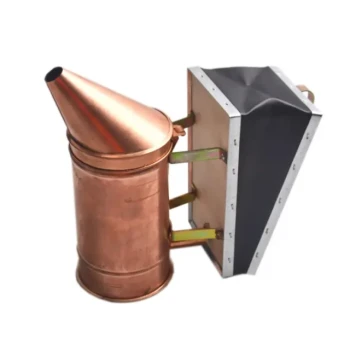
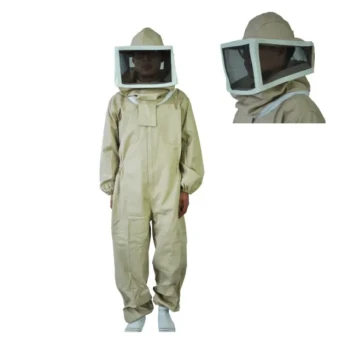
Commercial apiaries should pair defensive hardware with ventilated sting-proof bee suits, heavy-duty gloves, protective veils, and bee smokers. These measures help reduce worker risk during inspections, hive division, and harvesting.
Supporting efficient inspections
Regular inspections are necessary to verify queen egg-laying, colony health, pest pressure, and feeding conditions.
Hive components should therefore be standardized and accessible enough to permit repeated inspections without requiring excessive disassembly or specialized handling.
Managing the effects of propolis
Bees use propolis to seal cracks, smooth internal surfaces, reinforce comb attachments, and isolate intruders. This natural lining supports hive hygiene, but it can also glue frames, boxes, and covers together.
Commercial equipment should consequently be manufactured with exact tolerances, while operations should provide high-strength hive tools and frame scrapers. The objective is controlled separation during inspections and extraction without damaging frames or boxes.
Extending the Natural-Defense Principle to Honey Handling
Preserving honey’s biological properties
Honey contains natural antimicrobial components, including glucose oxidase and antimicrobial peptides. Excessive heat or unsuitable contact materials can compromise the quality of the product and its naturally occurring bioactive components.
For filling and processing equipment, the reference supports the use of high-grade food-grade stainless steel, such as 316L, together with precision temperature control.
Avoiding a mismatch between hive and processing equipment
A colony may be protected from chemical pest treatments, yet honey quality can still be undermined later by unsuitable processing conditions.
A full commercial equipment portfolio should therefore address the complete path from hive protection to filling: pest barriers, hive bodies, feeders, inspection tools, extraction equipment, and controlled-temperature processing systems.
Understanding the Trade-offs
Sticky barriers require maintenance
Sticky tapes and similar barriers can lose effectiveness as they collect dust, debris, or moisture. They may also require periodic replacement, so distributors should treat them as consumable or serviceable accessories rather than permanent installations.
Fluid moats add inspection responsibility
Fluid-filled channels can create an effective interruption, but they must remain properly filled and functional. If the fluid evaporates, leaks, or becomes contaminated, the barrier may no longer perform as intended.
Mechanical guards may be less consumable but more dependent on fit
Mechanical ant guards can reduce recurring replacement needs, but their performance depends on correct installation and the absence of alternative pathways.
A complete system should prevent ants from bypassing the guard through nearby vegetation, structural contact, or poorly aligned components.
Pest control does not replace colony management
Ant barriers cannot compensate for starvation, queen loss, poor ventilation, moisture buildup, or severe pest and mite infestations.
Effective apiary equipment must support inspection, feeding, drainage, and environmental control alongside physical exclusion.
Worker protection remains essential
Hardware that reduces crawling pests does not eliminate the defensive behavior of bees. Protective clothing and smokers remain necessary wherever staff open or manipulate colonies.
Building a Practical Commercial Product Portfolio
Offer barrier systems as integrated solutions
Distributors and wholesalers should consider bundling hive stands with compatible ant guards, sticky barriers, or moat channels.
This simplifies purchasing for beekeepers and reduces the risk that a customer selects components that cannot be installed together.
Stock replacement and maintenance parts
A reliable supply program should include replacement tapes, moat-related components, hive tools, frame scrapers, feeders, screened ventilation parts, and standard hive components.
These items support recurring demand and help commercial users maintain equipment without waiting for a complete system replacement.
Match the portfolio to operational scale
Small and large apiaries may require the same biological principle but different procurement models. Commercial customers typically value consistent specifications, fast response, dependable order fulfillment, and access to a broad product range from one source.
Suppliers with dedicated technical support can help customers select compatible barriers, hive bodies, safety equipment, and processing hardware for the same operating environment.
How to Apply This to Your Project
Select hardware according to the colony threat, operating scale, maintenance capability, and required processing standard.
- If your primary focus is ant exclusion: Use hive stands equipped with mechanical guards, sticky barrier tapes, or fluid-filled moat channels to reproduce the physical barrier used by wild dwarf honeybees.
- If your primary focus is colony stability: Prioritize ventilated hive bodies, screened openings, forward drainage, reliable hive-top feeders, and standard components that support regular inspections.
- If your primary focus is worker safety: Pair hive hardware with ventilated protective suits, heavy-duty gloves, veils, and bee smokers for routine colony handling.
- If your primary focus is honey quality: Specify food-grade stainless-steel processing equipment, including 316L where appropriate, with precision temperature control.
- If your primary focus is high-volume maintenance: Choose accurately engineered hive components and stock strong hive tools and frame scrapers to manage propolis without damaging equipment.
- If your primary focus is sourcing efficiency: Work with a supplier able to provide the full equipment range, rapid technical response, dedicated service, and reliable delivery through one coordinated channel.
The strongest commercial designs succeed when they turn honeybees’ natural barriers into maintainable hardware systems that protect colonies, workers, and product quality.
Summary Table:
| Defense Mechanism | Natural Example | Commercial Hardware Solution | Maintenance & Considerations |
|---|---|---|---|
| Sticky barrier | Dwarf honeybees use sticky propolis bands on branches | Adhesive barrier tapes, fluid-filled moat channels | Tapes need periodic replacement; moats require refilling and cleaning |
| Physical barrier | Branch placement isolates nest from crawling predators | Hive stands with mechanical ant guards | Ensure proper fit and no alternative pathways for ants |
| Colony stability | Wild colonies maintain stable microclimate | Ventilated hive bodies, forward drainage, hive-top feeders | Regular inspection and cleaning of ventilation and drainage |
| Worker protection | Bees defend the nest aggressively | Ventilated bee suits, gloves, veils, smokers | Safety gear is essential despite physical barriers |
| Honey purity | Natural antimicrobial properties preserved | Food-grade stainless steel processing equipment (316L) | Precision temperature control to avoid heating honey excessively |
Enhance your commercial apiary with barrier-based hive stands, sticky tapes, and moat channels inspired by nature. At HONESTBEE, we supply a full spectrum of beekeeping equipment designed for B2B distributors and commercial apiaries. Benefit from our one-stop sourcing, rapid delivery, and dedicated support. Contact us today to optimize your operations and protect your colonies efficiently. Get in touch now.
Related Products
- Professional Grade Foldable Beehive Handles
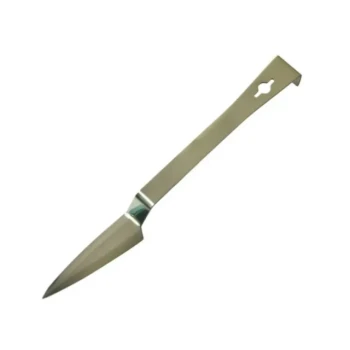
- HONESTBEE Professional Long Handled Hive Tool with Precision Cutting Blade
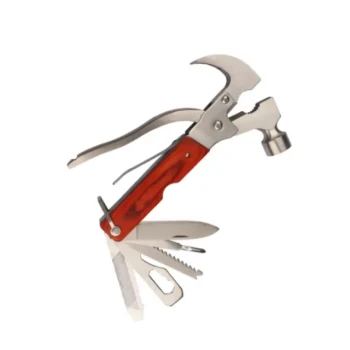
- HONESTBEE 15-in-1 Beekeeper Multi-Tool with Hammer and Pliers for Beekeeping
- Yellow Plastic Bucket Pail Perch for Beekeeping
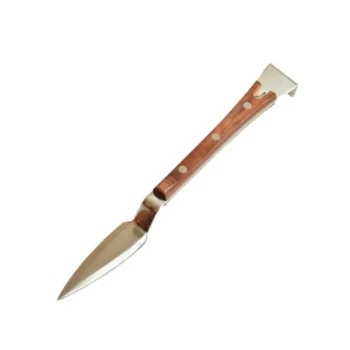
- HONESTBEE Premium Italian Style Hive Tool with Hardwood Handle
People Also Ask
- How do bee hive handles facilitate the evaluation of food stores? Use the Lift Test for Winter Survival
- How do hive handling tools and propolis management affect bee colony behavior during routine apiary maintenance? Minimize Disturbance with Precise Techniques
- How do the geometry and dimensions of hive handles influence operational safety and control? Expert Design Insights
- What is a bee hive tool? Discover Why It’s the Most Essential Hand Tool for Every Beekeeper
- What are the common sizes and features of bee hive tools? Choose the Right Tools for Your Apiary