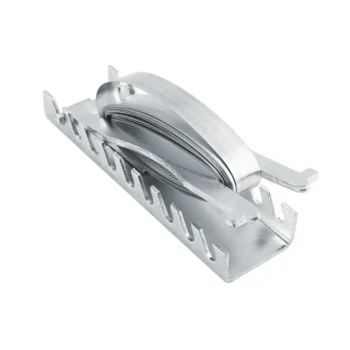
Industrial-grade physical protection facilities and hive isolation devices serve as a mechanical barrier between honey bee colonies and toxic environmental agents. By utilizing specific hardware to temporarily seal hives or restrict flight during known pesticide spraying cycles, these systems physically prevent foragers from entering contaminated zones, effectively neutralizing the immediate risk of direct chemical exposure.
The core principle is "targeted technical intervention." Success does not come from permanent shielding, but from synchronizing isolation hardware with agricultural meteorological monitoring to block contact only during critical danger windows.
The Mechanism of Physical Isolation
Creating a Temporary Sanctuary
The primary function of these facilities is to block the interface between the colony and the external environment.
During pesticide application events, isolation devices are engaged to prevent bees from leaving the hive. This keeps the workforce contained within a safe environment while external toxicity levels are at their peak.
Breaking the Exposure Cycle
Mass mortality often occurs when foragers carry toxins back to the colony.
By utilizing isolation measures, you significantly lower the probability of direct exposure to environmental toxins. This prevents the introduction of lethal chemicals into the food stores, thereby mitigating the risk of total colony collapse.
Integrating Data and Mobility
The Role of Meteorological Monitoring
Hardware is only as effective as the timing of its deployment.
Industrial protection relies on agricultural meteorological monitoring to predict spraying schedules and weather patterns. This data allows operators to identify "critical plant protection windows" precisely, ensuring hives are isolated only when necessary.
Leveraging Mobile Infrastructure
Advanced industrial setups often utilize mobile beehive designs to enhance mitigation strategies.
These systems facilitate the rapid relocation of hives away from high-intensity spray zones. When relocation isn't possible, mobile units are equipped with entrance closers that provide immediate, standardized physical blocking of insecticides and herbicides.
Standardization for Scale
Large-scale operations, typically managing over 150 colonies, rely on standardized equipment to make these interventions feasible.
Uniform hive designs allow for the simultaneous application of isolation protocols across the entire apiary. This reduces management redundancies and ensures no colony is left vulnerable due to equipment incompatibility.
Understanding the Operational Trade-offs
Ventilation and Stress Management
While isolation prevents poisoning, sealing a hive introduces new risks regarding airflow and temperature.
Industrial-grade devices must account for ventilation. Isolating a strong colony without adequate airflow management during a warm day can lead to overheating or suffocation, trading one risk for another.
The Precision Requirement
This approach leaves little room for timing errors.
Relinquishing free foraging requires precise data; closing hives too early results in lost productivity, while closing them too late renders the protection useless. The system depends entirely on the accuracy of the monitoring data used.
Strategic Implementation for Your Apiary
If your primary focus is stationary protection:
- Invest in standardized entrance closers and establish a reliable feed of local agricultural meteorological data to time your lockdowns precisely.
If your primary focus is avoidance:
- Utilize mobile hive platforms that allow you to migrate colonies entirely out of the application zone before the critical window begins.
If your primary focus is operational consistency:
- Adopt a unified hardware standard across all colonies to ensure isolation devices can be deployed rapidly and universally during emergency events.
True risk mitigation is achieved not just by having the hardware, but by strictly aligning its use with environmental data to stay one step ahead of the sprayers.
Summary Table:
| Mitigation Component | Primary Function | Key Benefit |
|---|---|---|
| Entrance Closers | Physically blocks foragers from exiting | Prevents direct contact with toxic sprays |
| Meteorological Monitoring | Predicts spray windows and weather | Optimizes isolation timing to minimize stress |
| Mobile Platforms | Enables rapid colony relocation | Completely removes hives from high-risk zones |
| Standardized Hardware | Ensures uniform fit across all hives | Streamlines large-scale emergency response |
| Ventilation Systems | Manages airflow during isolation | Prevents overheating and colony suffocation |
Secure Your Apiary Against Chemical Risks with HONESTBEE
Protecting commercial bee colonies from pesticide exposure requires more than just luck—it requires professional-grade hardware and standardized equipment. HONESTBEE specializes in supporting commercial apiaries and distributors with high-performance beekeeping tools and machinery designed for scale.
From standardized hive-making machines that ensure uniform equipment fit to mobile hive infrastructures and specialized protective hardware, we provide the full spectrum of equipment needed to mitigate environmental risks. Whether you are a large-scale producer or a wholesale distributor, our comprehensive portfolio offers the durability and precision required to safeguard honey bee health and ensure operational longevity.
Ready to upgrade your apiary’s protection? Contact HONESTBEE Today for Wholesale Solutions
References
- Tessy Iracema Pereira Alves, Kátia Peres Gramacho. A mortandade de abelhas no município de Japaratuba, Sergipe. Causas e consequências: um estudo de caso.. DOI: 10.5935/ambiencia.2019.01.17
This article is also based on technical information from HonestBee Knowledge Base .
Related Products
- Durable Plastic Interlocking Hive Connector for Beekeeping
- Stainless Steel Round Beehive Air Vents for Ventilation
- Ergonomic Plastic Frame Spacer Tool for Rapid Hive Management Beekeeping
- Ergonomic Two Person Foldable Hive Lifter
- Steel Round Disc Entrance Reducer for Flexzion Bee Hive Nuc Box Gate
People Also Ask
- How do plastic bee hives compare to wooden hives in handling? Reduce Strain & Boost Efficiency
- Are plastic bee hives any good? Unlock Durability & Efficiency for Your Apiary
- Under what circumstance are beehive connectors particularly beneficial? Optimize Handling for Full Beehive Attachments
- Are plastic bee hives good? Durable, Low-Maintenance Hives for Modern Apiaries
- What is the advantage of using the beehive connector when handling full attachments? Achieve Safe and Efficient Hive Transport