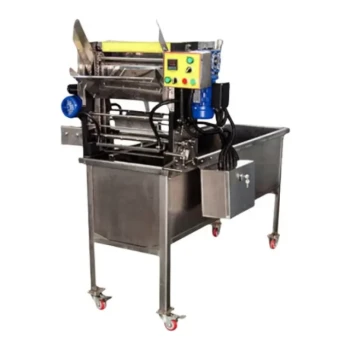
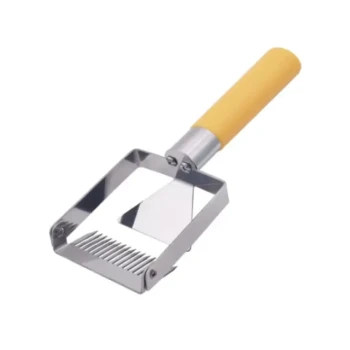
To efficiently separate residual honey from wax cappings, place the wax scrapings into a large mesh bag and suspend it over a clean collection bucket.
Gravity allows the honey to drip through the mesh and into the bucket, leaving the wax behind. Once the draining slows, you can remove any final sticky residue by rinsing the cappings in cool water, which cleans the wax for future use.
Core Takeaway: Do not discard cappings immediately after uncapping. By utilizing a passive gravity-draining system followed by a cool water rinse, you can recover significant honey yield and prepare the wax for rendering with minimal active labor.
The Role of Wax Cappings
The Natural Barrier
Wax cappings are a waterproof seal created by bees to protect honey from air and moisture.
Necessary Removal
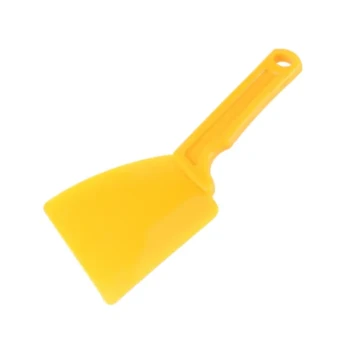
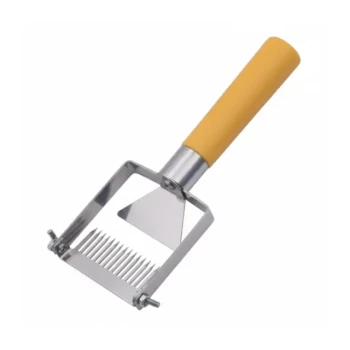
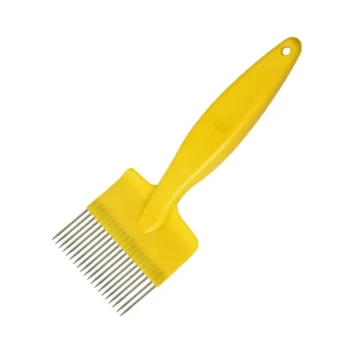
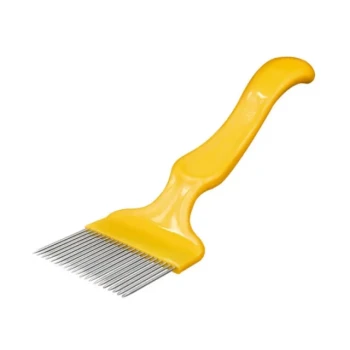
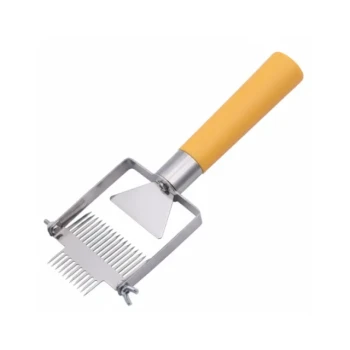
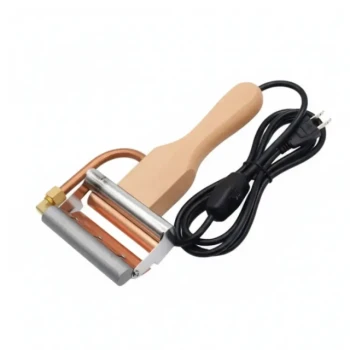
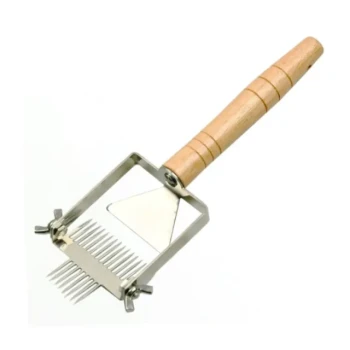
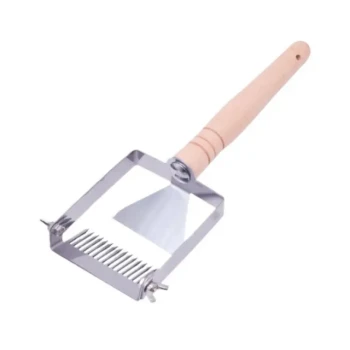
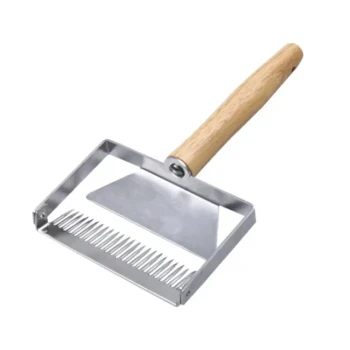
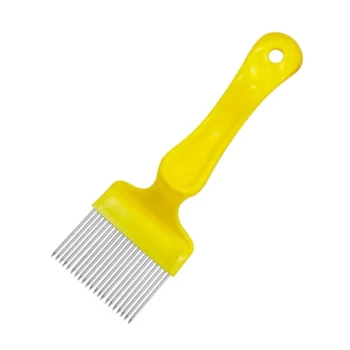
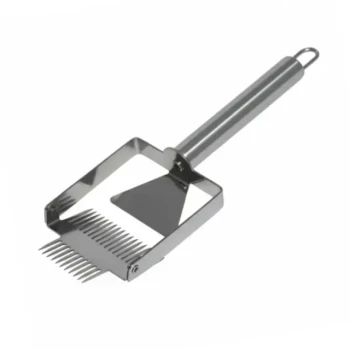
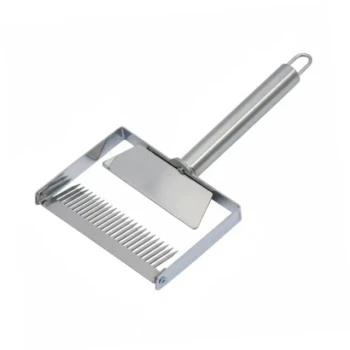
To extract honey, this seal must be broken. Whether you use a hot knife, cold knife, or mashing fork, the result is a mixture of pure wax and usable honey that requires separation.
Implementing the Gravity Draining Method
The Mesh Bag Technique
The most effective low-tech method involves transferring your wax cappings into a large mesh bag.
Suspension and Collection
Suspend this bag over a clean bucket or specialized harvesting tub. The mesh acts as a sieve, allowing the viscous honey to drip through while retaining the solid wax particles.
Patience is Key
Allow time for gravity to do the work. Over time, the wax in the bag will become significantly drier as the honey pools in the container below.
Finalizing the Separation
Rinsing the Residue
Even after draining, a thin layer of honey often remains on the wax.
Using Cool Water
Rinse the drained cappings in cool water. This removes the final sugary residue, ensuring the wax is clean and ready for rendering or other applications.
Tools to Streamline the Workflow
Collection Trays
When initially uncapping, let the cappings fall into a large metal tray, similar to an oven tray. This keeps the workspace clean and makes it easy to transfer the cappings into the mesh bag.
Specialized Buckets
Utilize honey buckets equipped with spouts. These allow you to control the flow of the recovered honey after it has drained from the cappings.
Common Pitfalls and Considerations
Avoid Heat During Separation
When rinsing residue, ensure the water is cool, not hot. Hot water can melt the wax prematurely or degrade the quality of the honey residue.
Managing Workflow Bottlenecks
Gravity draining is a slow process. Ensure you have enough buckets or tubs to set the cappings aside so you can continue the main extraction process without waiting for the draining to finish.
Making the Right Choice for Your Goal
- If your primary focus is maximum honey yield: Allow the mesh bag to hang undisturbed until drips cease completely before moving to the rinsing stage.
- If your primary focus is clean wax processing: Prioritize the cool water rinse to ensure all sugar is removed, which prevents fermentation or stickiness in the final wax block.
By integrating this simple separation step into your harvesting routine, you minimize waste and maximize the return from every frame.
Summary Table:
| Step | Process | Action Required |
|---|---|---|
| 1 | Collection | Allow cappings to fall into a metal tray or specialized tub. |
| 2 | Gravity Drain | Place cappings in a mesh bag and suspend over a collection bucket. |
| 3 | Recovery | Wait until dripping stops to maximize pure honey collection. |
| 4 | Clean Wax | Rinse remaining wax in cool water to remove sticky residue. |
| 5 | Post-Process | Render the clean wax for sale or use in new hive-making. |
Maximize Your Harvest Efficiency with HONESTBEE
At HONESTBEE, we understand that every drop of honey and every gram of wax counts for your bottom line. We specialize in supporting commercial apiaries and distributors with high-performance beekeeping machinery and tools designed to streamline your operations. From specialized honey-filling machines to durable hive-making hardware and industrial-grade consumables, our wholesale solutions are built to scale with your business.
Ready to upgrade your extraction facility or restock your inventory? Contact us today to discuss how our comprehensive equipment portfolio can enhance your productivity and profitability.
Related Products
- Honey Wax Separating Wax Press with Metal Screw Wax Separator Machine
- Stainless Steel Jack Type Honey Comb Press Machine Wax and Honey Separator
- Professional Honey Uncapping Roller for Efficient Harvesting
- Stainless Steel Triangle Support Honey Strainer and Filters
- Professional Honey Scraper for Efficient Apiary Maintenance
People Also Ask
- How do I separate honey from wax? A Two-Stage Process for Maximum Yield
- How do you separate honey from wax cappings? Choose the Best Method for Your Harvest
- How do you separate honey from wax at home? A Simple Guide to Zero-Waste Harvesting
- What is the importance of separating honey from wax? Master Product Purity & Processing Efficiency
- What temperature does wax separate from honey? Achieve Clean, Efficient Honey Rendering