Age and social caste determine where pesticide exposure begins, how it moves through a colony, and which bees are most vulnerable. Older worker bees serving as field foragers encounter sprays, contaminated water, and planter dust directly. They then transport contaminated nectar and pollen into the hive, exposing middle-aged storage workers, young nurse bees, larvae, and the queen through the colony’s food chain. Specialized apiary tools can reduce this risk by limiting contaminated forage, supporting rapid hive management, and monitoring colony health before damage becomes irreversible.
Pesticide risk is not distributed evenly within a hive: foragers experience the initial environmental exposure, while nurse bees, brood, and the queen can suffer secondary exposure through stored food. Effective mitigation therefore requires coordinated equipment for prevention, detection, nutrition, and precise hive management.
How Exposure Moves Through the Colony
Older Foragers Face Direct Contact
Older worker bees that forage outside the hive are the colony’s primary point of contact with agricultural pesticides. They may encounter airborne sprays, residues on flowers, contaminated water, and dust released during treated-seed planting.
Planter dust can carry substantial quantities of neonicotinoid active ingredient. The primary reference reports levels exceeding 1,200 ng per bee, illustrating why exposure can occur even when spraying is not visibly taking place.
Middle-Aged Workers Receive Contaminated Forage
Foragers return with nectar and pollen that may contain systemic pesticide residues. Middle-aged worker bees process and store these materials as honey and bee bread, creating an internal exposure pathway.
This means bees that never leave the hive can still ingest pesticide residues. Repeated deliveries can gradually increase the colony’s chemical burden.
Nurse Bees and the Queen Face Dietary Exposure
Young nurse bees consume contaminated bee bread while producing food for developing larvae and the queen. Their exposure is therefore linked to the quality of incoming pollen and the colony’s stored provisions.
Systemic pesticides can remain in crop nectar and pollen at low concentrations. These sub-lethal doses may weaken colony immunity over time without producing immediate, visible mortality.
Larvae Are Exposed During Development
Larvae developing in contaminated cells may experience either lethal or sub-lethal toxicity. Their vulnerability reflects both their developmental stage and their dependence on food supplied by adult workers.
Risk does not come only from the active pesticide ingredient. Formulation components, including organosilicone surfactants and penetrant enhancers, can also contribute to toxicity.
Why Social Caste Matters
Foragers Are the Exposure Front Line
Foragers are exposed because their role requires repeated contact with the surrounding agricultural environment. Their work makes them useful indicators of local pesticide pressure, but it also places them at the highest risk of direct contact.
A sudden reduction in returning foragers, abnormal behavior, or declining collection activity can signal environmental stress before broader colony failure becomes obvious.
Nurse Bees Transfer Risk Internally
Nurse bees convert external contamination into internal colony exposure by feeding brood and the queen. Their social role connects contaminated forage with the colony’s most dependent members.
This is why managing only field exposure is insufficient. A hive may continue receiving contaminated food after spraying has ended, depending on stored pollen and nectar reserves.
The Colony Can Hide Delayed Damage
A honey bee colony operates as a superorganism and may initially absorb significant losses without immediate collapse. Supplementary material notes that a colony can lose up to 30% of its population and still appear viable, followed by delayed decline several months later.
Routine monitoring is therefore essential. Absence of immediate collapse should not be treated as proof that pesticide exposure was harmless.
Tools That Help Reduce Exposure
Protective Hive Management Equipment
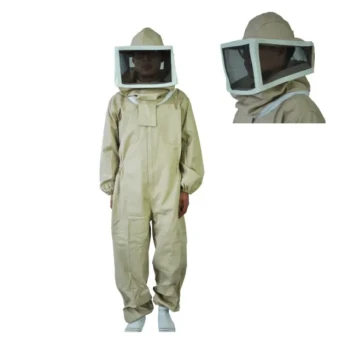
Protective hive management equipment allows beekeepers to inspect, reposition, ventilate, and maintain colonies with less disruption. Well-maintained hive components also help preserve stable insulation and ventilation conditions.
Industrial-grade hive-making equipment can produce standardized structures with consistent physical specifications. A stable internal microenvironment supports bee health and may improve resilience when colonies encounter low pesticide doses.
Pollen Traps for Exposure Control
Pollen traps can help apiaries sample or restrict incoming pollen during periods of elevated agricultural spraying. Samples can be examined for contamination, while collected pollen can be withheld from brood feeding until its suitability is assessed.
Pollen traps should be integrated into a broader forage-management program. They are monitoring and control tools, not a substitute for site selection, isolation, or communication with growers.
Supplemental Feeding Tools
Supplemental feeding equipment can provide alternative nutrition during peak spraying seasons or when incoming forage is suspected to be contaminated. Clean feed helps reduce dependence on risky field resources while the exposure threat remains active.
Nutrition does not neutralize pesticide residues already present in the hive. Its value is in supporting colony condition and reducing additional intake during high-risk periods.
Hive Monitoring Equipment
Hive monitoring tools help track colony population, activity, temperature, humidity, and other indicators of stress. These measurements can reveal gradual deterioration that may be missed during occasional manual inspections.
For commercial operations, monitoring data also helps prioritize site visits and determine when a colony needs relocation, supplemental feed, or more detailed inspection.
Migratory Hive Transportation Equipment
Transportation equipment enables commercial apiaries to move colonies away from sprayed agricultural zones when timing and site conditions justify relocation. Rapid, organized movement is especially important for migratory operations managing many hives.
Relocation requires suitable alternative forage, adequate ventilation, secure hive handling, and accurate scheduling. Poor transport conditions can create additional stress that compounds pesticide-related weakness.
Clean Hive Components and Wax Foundations
Clean wax foundations and sanitary hive hardware reduce the accumulation of environmental contaminants inside the colony. Regular maintenance also supports early detection of disease and abnormal brood development.
Because pesticide exposure can suppress immunity, sanitation matters more than usual. Weakened colonies are more vulnerable to secondary fungal, viral, and parasitic infections.
Understanding the Trade-offs
Exposure Reduction Can Affect Nutrition
Pollen trapping and temporary feed substitution may reduce pesticide intake, but excessive restriction can limit protein and micronutrient availability. Beekeepers must balance contamination risk against the colony’s nutritional requirements.
The correct response depends on local forage conditions, colony strength, seasonal timing, and available feed quality.
Relocation Adds Operational Risk
Moving hives can reduce contact with treated crops, but transportation introduces handling, ventilation, and orientation challenges. A relocation plan must account for both the pesticide hazard and the health impact of moving the colony.
For distributors and resellers, transportation hardware should therefore be evaluated as part of a complete migratory system rather than as an isolated product purchase.
Monitoring Does Not Replace Intervention
Sensors and inspection tools can identify warning signs, but they do not remove contaminated forage or correct poor apiary placement. Data becomes valuable only when it is connected to clear actions and response times.
Commercial apiaries should define thresholds for inspection, feeding, isolation, relocation, and laboratory testing before an incident occurs.
Chemical Treatments Can Create New Hazards
Improper fumigation or indiscriminate miticide use can add chemical stress to a colony already affected by agricultural exposure. Calibrated treatment tools and approved consumables are necessary to deliver precise doses and avoid harmful accumulation inside the hive.
Pest control should be targeted, measured, and integrated with monitoring rather than applied routinely without evidence of need.
Supporting Product and Quality Control
Residue Testing Protects Marketability
Pesticide residues can affect whether honey is suitable for sale, regardless of the condition of the colony that produced it. Laboratory residue-testing equipment allows apiaries and processors to identify contaminated batches, including batches affected by compounds such as sulfoxaflor.
Testing provides a product-quality control layer that complements field and hive-level risk reduction.
Enclosed Processing Equipment Limits Secondary Contamination
Fully enclosed honey filling and processing machines with integrated monitoring sensors help control contamination introduced during extraction, filling, and handling. Hygienic equipment design is particularly important when processors manage multiple apiary sources.
For wholesalers and B2B resellers, a full equipment portfolio can connect primary production controls with downstream food-safety requirements.
One-Stop Sourcing Improves Response Speed
Pesticide events often require coordinated action across hive hardware, monitoring devices, feeding systems, transport equipment, and testing supplies. A supplier capable of providing these categories through one purchasing channel can reduce procurement delays during spraying seasons.
Product compatibility, technical support, dependable stock, and fast fulfillment are as important as individual component specifications for commercial apiaries.
How to Apply This to Your Apiary or Product Portfolio
The most effective approach combines exposure prevention with early detection and operational readiness.
- If your primary focus is reducing field exposure: Use site-assessment practices, isolation strategies, migratory transport equipment, and pollen traps to limit contact with contaminated crops and forage.
- If your primary focus is protecting brood and the queen: Monitor incoming pollen, provide suitable supplemental nutrition when necessary, and maintain clean cells, wax foundations, and hive components.
- If your primary focus is detecting delayed colony decline: Deploy hive monitoring equipment and combine its data with regular inspections of forager activity, brood condition, food stores, and population strength.
- If your primary focus is controlling secondary pests and diseases: Use sanitized inspection tools, approved treatments, calibrated applicators, and targeted pest-monitoring hardware.
- If your primary focus is protecting honey buyers and brand value: Pair enclosed processing machinery with laboratory residue testing so contaminated batches can be identified before release.
- If your primary focus is supplying commercial apiaries: Build a full-spectrum portfolio supported by technical expertise, rapid response, reliable customer service, and efficient order fulfillment.
Understanding the colony’s age and caste structure allows beekeepers to target the right exposure pathway with the right tool at the right time.
Summary Table:
| Caste / Age | Exposure Route | Primary Risk | Mitigation Tools |
|---|---|---|---|
| Older foragers | Direct contact with sprays, dust, contaminated water/nectar | Acute toxicity, mortality | Pollen traps, protective equipment, relocation |
| Middle-aged workers | Processing contaminated nectar/pollen | Chronic exposure through stored food | Supplemental feeding, clean hive components |
| Nurse bees & queen | Dietary exposure via contaminated bee bread | Sub-lethal immune suppression | Pollen sampling, feeding equipment, monitoring |
| Larvae | Consumption of contaminated brood food | Developmental impairment, death | Clean wax, hygiene, detection tools |
Protect your colonies from pesticide risks with HONESTBEE's comprehensive apiary solutions. As a one-stop supplier for commercial apiaries and distributors, we provide beekeeping tools, machinery, monitoring systems, and feeding equipment. With fast delivery, OEM/ODM support, and expert guidance, we help you safeguard colony health and ensure product quality. Contact us today to discuss your needs!
Related Products
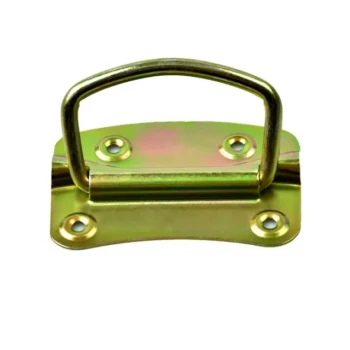
- Professional Grade Foldable Beehive Handles
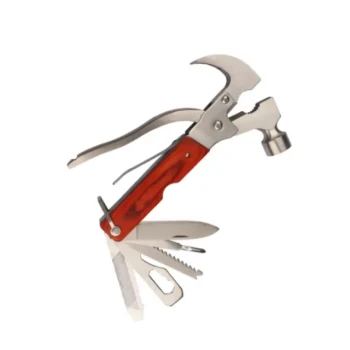
- HONESTBEE 15-in-1 Beekeeper Multi-Tool with Hammer and Pliers for Beekeeping
- HONESTBEE Professional Long Handled Hive Tool with Precision Cutting Blade
- HONESTBEE Premium Italian Style Hive Tool with Hardwood Handle
- Precision Stainless Steel Frame Cleaner for Hive Grooves and Corners
People Also Ask
- How do bee hive handles facilitate the evaluation of food stores? Use the Lift Test for Winter Survival
- How do hive handling tools and propolis management affect bee colony behavior during routine apiary maintenance? Minimize Disturbance with Precise Techniques
- How do the geometry and dimensions of hive handles influence operational safety and control? Expert Design Insights
- What is a bee hive tool? Discover Why It’s the Most Essential Hand Tool for Every Beekeeper
- What are the common sizes and features of bee hive tools? Choose the Right Tools for Your Apiary