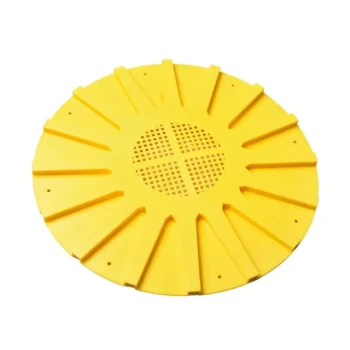
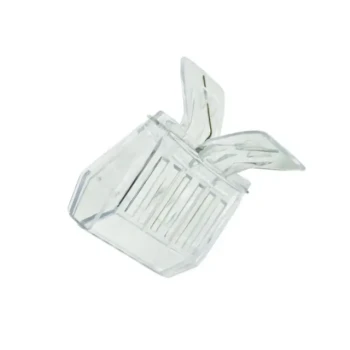
Darkened collection boxes and light-guided escape holes function in tandem to ensure the purity of biological data by separating live bees from dead ones. These features leverage the natural behavior of bees to prevent healthy specimens from entering the collection area while providing a clear exit route for those that do.
Core Takeaway This design capitalizes on phototaxis—the natural attraction bees have to light. By darkening the storage area to deter entry and using a light-guided exit to facilitate escape, the trap ensures that collected samples represent natural mortality rather than trap-induced death.
The Principle of Phototaxis
Harnessing Natural Instincts
Bees are biologically programmed to move toward light sources, a behavior known as phototaxis.
Effective trap design does not fight this instinct; it utilizes it to control the movement of the insects.
Directional Control
By manipulating where light enters and leaves the trap, engineers can dictate where bees fly.
This ensures the device acts as a filter, distinguishing between the active workforce and deceased hive members.
Preventing Entry with Darkened Boxes
Reducing Light Ingress
The primary function of the darkened collection box is to minimize light inside the storage chamber.
This effectively hides the "dead zone" from active bees outside the trap.
Discouraging Accidental Entry
Without a light source to attract them, live bees have no incentive to enter the collection area.
This reduction in attraction is the first line of defense against contaminating the mortality sample with live specimens.
Ensuring Survival with Light-Guided Escapes
The Backup Mechanism
Despite the darkened interior, live bees may occasionally wander into the trap.
To address this, a metal mesh exit is strategically positioned at the very top of the collection box.
The Beacon Effect
This exit is equipped with a light guide.
Because the rest of the box is dark, this guide acts as a bright beacon, instantly drawing the attention of any trapped live bee.
Rapid Release
Utilizing their phototactic response, bees fly toward the light and through the mesh exit.
This allows them to return to the hive or environment immediately, eliminating "trap loss"—the artificial mortality caused by the device itself.
Understanding the Trade-offs
Dependence on Ambient Light
The effectiveness of the light guide relies on the contrast between the dark box and external light.
In conditions with zero ambient light (such as total darkness at night), the phototactic cue becomes ineffective, potentially delaying escape until dawn.
Mechanical Maintenance
The system relies on a clear path to the metal mesh exit.
If the trap is not emptied regularly, or if debris blocks the light guide, the escape route is compromised, which could lead to trapped bees dying inside the box.
Making the Right Choice for Your Goal
These features are essential for researchers and apiarists who require high-fidelity data regarding colony health.
- If your primary focus is Data Accuracy: This design is critical because it prevents live bees from entering the "dead count," ensuring your mortality statistics are not artificially inflated.
- If your primary focus is Colony Welfare: The escape mechanism is non-negotiable, as it ensures that healthy foragers are returned to the workforce rather than dying needlessly in the trap.
By aligning mechanical design with biological instincts, you transform a simple container into a precision monitoring instrument.
Summary Table:
| Feature | Mechanism | Primary Benefit |
|---|---|---|
| Darkened Collection Box | Minimizes light ingress inside the storage area | Discourages live bees from entering the "dead zone" |
| Light-Guided Escape | Top-positioned mesh exit utilizing phototaxis | Provides a clear beacon for accidental entrants to exit rapidly |
| Phototaxis Control | Directional light manipulation | Filters active workforce from deceased hive members |
| Precision Filtering | Biological instinct alignment | Prevents artificial mortality and ensures data accuracy |
Elevate Your Apiary Management with HONESTBEE
Precise monitoring is the backbone of a successful beekeeping operation. At HONESTBEE, we specialize in supporting commercial apiaries and distributors with a comprehensive wholesale range of professional-grade beekeeping tools and machinery.
Whether you need high-precision monitoring equipment, specialized hive-making machines, or honey-themed cultural merchandise, our portfolio is designed to enhance your efficiency and data accuracy. Contact us today to discover how our industry-leading hardware and consumables can add value to your business and protect your colony welfare.
References
- Ingrid Illies, Norbert Sachser. The influence of different bee traps on undertaking behaviour of the honey bee (<i>Apis mellifera</i>) and development of a new trap. DOI: 10.1051/apido:2002014
This article is also based on technical information from HonestBee Knowledge Base .
Related Products
- 30 cm Plastic Entrance Hole Bee Pollen Trap and Collector
- Plastic Bee Pollen Trap Strips Comb Catcher Collector
- Removable Plastic Pollen Trap With Ventilated Tray for Bees Pollen Collector
- Black Plastic Beetle Barn Hive Beetle Trap for Beehives
- HONESTBEE Professional Telescopic Pole Bee Swarm Catcher
People Also Ask
- What are the design principles and advantages of pollen traps in the collection of bee pollen? Boost Your Apiary Yield
- Why is frequent harvesting of bee pollen from traps necessary for quality control? Ensure Freshness and Prevent Mold.
- How often should bee pollen be harvested from a trap and why? Master Freshness and Prevent Spoilage
- What function do pollen traps serve in quantitative collection? Boost Your Apiary's Data & Production Efficiency
- What is the primary function of bee pollen traps? Optimize Your Pollen Harvest with Advanced Extraction Efficiency