Extreme cold and short summers compress the entire beekeeping cycle. Winter temperatures around −20°C to −34°C reduce brood rearing, restrict foraging, and force colonies to conserve energy in tight clusters. In more severe regions—particularly where temperatures can fall to approximately −30°C to −55°C—commercial operators may need temperature-regulated wintering houses rather than outdoor storage. Short summer seasons then create a narrow window for population growth, honey production, extraction, and packaging, making specialized equipment essential.
Successful commercial overwintering depends on controlling three variables: heat loss, moisture, and food availability. Insulated hive protection, adjustable ventilation, reliable feeding systems, precision-built hive components, and rapid summer processing equipment work together to reduce winter losses and capture honey before the season closes.
How Extreme Cold Changes Colony Development
Brood rearing slows dramatically
Honey bees respond to severe cold by forming a compact winter cluster and reducing brood production. This conserves food and metabolic energy, but it also delays spring population growth.
The result is a smaller workforce when early forage becomes available. Colonies may need a longer buildup period before they can occupy additional boxes or produce commercial surpluses.
The colony spends more energy on thermoregulation
The winter cluster must generate and retain heat around the queen and any brood. Bees consume stored honey to maintain internal temperatures, even when they cannot leave the hive to forage.
Poor insulation, uncontrolled drafts, or excessive heat loss increase consumption and can leave colonies vulnerable to starvation before spring forage begins.
Moisture becomes a major winter risk
Cold hive surfaces can cause internal condensation. Water droplets may fall onto the cluster, chill bees, and increase the risk of mortality even when the colony has adequate food.
The objective is not to seal the hive completely. Commercial hive systems must retain heat while allowing excess moisture to escape through controlled ventilation.
Spring expansion is delayed
Cold-adapted bees can survive by forming tight clusters, reducing brood rearing, retaining waste for extended periods, and sealing gaps with propolis. These adaptations improve survival but limit rapid colony expansion.
Precision-built hive bodies with tightly fitted joints reduce uncontrolled gaps and make spring inspections more efficient than relying entirely on natural propolis sealing.
How Short Summers Affect Commercial Production
Population growth is concentrated into a narrow window
In high-altitude or continental regions, colony expansion may accelerate only during the brief warm period, with activity often peaking around July and early August.
Commercial beekeepers must prepare colonies, supers, labor, transport, extraction capacity, and packaging systems before the main nectar flow begins.
Honey flows can exceed processing capacity
A short bloom period creates a risk of bottlenecks. If extraction or filling equipment is undersized, harvested supers may accumulate while the weather window closes.
High-capacity extraction machinery and efficient honey-filling systems allow operators to process and package honey quickly with less disruption to active colonies.
Timing errors have larger consequences
In a long-season region, a delayed inspection or extraction run may be recoverable. In a short-season climate, the same delay can reduce the number of harvestable supers or leave colonies underprepared for winter.
Equipment availability and rapid order fulfillment therefore have direct operational value for commercial apiaries.
Essential Equipment for Commercial Overwintering
Insulated hive wraps and thermal covers
Heavy-duty hive wraps reduce heat loss through the hive walls. Insulated top covers are particularly important because warm air and moisture rise toward the upper part of the hive.
The insulation should protect the colony without blocking necessary moisture management. Products should be selected for durability, weather resistance, and compatibility with the apiary’s hive dimensions.
Moisture-control inner covers
Moisture-control covers help manage condensation while maintaining a more stable thermal environment above the cluster.
They are most effective when used as part of a complete ventilation strategy rather than as a substitute for ventilation design.
Adjustable entrance reducers
Entrance reducers limit cold drafts and reduce the size of the opening the colony must defend. They also help conserve heat during periods of low bee activity.
The opening must remain appropriate for the colony’s strength and local conditions. Over-restriction can interfere with ventilation and increase humidity.
Mouse guards and pest barriers
Mouse guards prevent rodents from entering during winter and damaging brood frames, comb, and stored food.
They are a low-cost but important accessory for commercial operations because a single unprotected entrance can compromise an otherwise well-prepared colony.
Internal division board and rapid liquid feeders
Feeding systems support autumn buildup and provide supplemental feed when natural forage is unavailable. Division board feeders are useful for controlled feeding inside the hive, while rapid liquid feeders support efficient servicing across larger apiaries.
Feeding equipment should be selected for leak resistance, ease of cleaning, and compatibility with the hive format used by the operation.
Supplemental winter feeding equipment
In long winters or areas with limited nectar sources, colonies may require sugar or protein supplements. These supplies help maintain energy reserves for thermoregulation and early brood development.
However, feeding does not replace adequate honey stores or proper colony preparation. It is a safeguard, not a substitute for sound winter management.
Precision hive-making machinery
Tightly fitted brood boxes and hive components reduce tolerance gaps and uncontrolled air movement. Precision manufacturing equipment can improve consistency across a commercial fleet of hives.
For distributors and wholesalers, this category is valuable because it supports both replacement-hive demand and the standardization of complete apiary systems.
When Outdoor Wintering Is Not Enough
Temperature-regulated wintering houses
In the most severe cold zones, colonies may not be able to remain outdoors safely. Commercial apiaries may move hives into insulated, temperature-regulated wintering houses or climate-controlled sheds.
These facilities help stabilize temperature, reduce wind exposure, and manage condensation. The specific operating conditions must be designed for the local climate, hive configuration, colony strength, and ventilation requirements.
Climate-control and monitoring systems
A wintering facility requires more than insulation. Temperature and humidity monitoring are necessary to identify condensation problems, equipment failures, or abnormal colony conditions before losses spread across a large inventory.
For commercial buyers, facility equipment should be evaluated as a complete system rather than as isolated components.
Facility-compatible hive handling
Wintering houses must allow safe movement, inspection, and feeding of hives. Poor access can turn routine management into a labor-intensive process and increase disturbance to clustered colonies.
Racking, aisle planning, hive transport equipment, and standardized hive dimensions can materially improve operational efficiency.
Preparing Colonies for Harsh Winter Conditions
Build adequate colony strength
The colony should enter winter with a healthy queen and enough bees to maintain an effective cluster. A commonly cited preparation target is a population capable of covering at least five brood frames, although the correct threshold depends on hive type, climate, and management system.
Weak colonies may require consolidation or other management decisions before winter rather than being carried forward at high risk.
Confirm sufficient food stores
Cold-climate colonies generally require more reserves than colonies in warm regions. A practical planning range is approximately 80–100 pounds of honey for a strong colony in a cold climate, compared with roughly 40–60 pounds in warmer regions.
Smaller colonies may survive on approximately 30–50 pounds, but commercial operators should account for colony size, winter duration, expected temperatures, and the reliability of supplemental feeding.
Complete health checks before winter
Disease monitoring and treatment must be completed before colonies enter winter storage. A colony with adequate food can still fail if its population is weakened by disease or parasites.
This preparation stage should be integrated into the apiary’s seasonal schedule rather than treated as an emergency step after temperatures fall.
Balance insulation and ventilation
The correct winter configuration retains cluster heat while allowing moisture to leave. Excessive sealing can create condensation, while excessive ventilation can increase heat loss and food consumption.
Adjustable equipment gives commercial operators more control as weather conditions change.
Supporting the Short Summer Harvest
Use modular hive supers
Modular supers allow colonies to expand rapidly during concentrated nectar flows. They also simplify inventory management, replacement, transport, and storage for commercial operators.
The system should match the operation’s frames, hive bodies, extraction line, and handling equipment.
Install high-efficiency extraction machinery
Rapid extraction is essential when the harvest window is short. High-capacity equipment helps process honey before cold weather arrives and reduces the time that supers remain unavailable for reuse.
Important purchasing considerations include throughput, cleaning requirements, durability, power configuration, and compatibility with the apiary’s frame sizes.
Add industrial honey-filling equipment
Efficient filling and packaging systems prevent post-extraction bottlenecks. This is particularly important for wholesalers, packers, and commercial operations handling multiple apiaries or concentrated harvest volumes.
A coordinated extraction and filling line provides greater value than purchasing either machine in isolation.
Understanding the Trade-offs
More insulation is not always better
Heavy insulation can reduce heat loss, but it may also trap moisture if the hive lacks an effective ventilation path. Winter protection should therefore be selected as a matched package of wraps, covers, reducers, and ventilation components.
Supplemental feeding increases labor and operating cost
Feeding equipment improves flexibility and can prevent starvation, but it requires additional labor, feed procurement, sanitation, and inspection.
The most reliable strategy is to enter winter with adequate natural stores and use supplemental feeding as a controlled contingency.
Wintering houses require capital and management
Climate-controlled sheds can reduce exposure to extreme outdoor conditions, but they introduce construction, energy, monitoring, and handling costs.
They are most defensible where outdoor wintering presents consistently high mortality risk or where the commercial scale justifies centralized environmental control.
High-capacity machinery must match actual throughput
Oversized extraction or filling equipment can create unnecessary capital and maintenance costs. Undersized machinery creates harvest delays precisely when weather and labor availability are most constrained.
Distributors should size equipment based on colony count, expected peak flow, frame format, operating hours, and planned expansion.
Standardization improves efficiency but reduces flexibility
Using uniform hive components, covers, feeders, and extraction equipment simplifies purchasing and servicing. However, a standardized system may not fit every customer’s regional hive design or management method.
B2B suppliers should offer compatible product ranges rather than assuming one configuration serves every market.
Making the Right Choice for Your Goal
The most effective procurement strategy combines winter-protection products, feeding equipment, hive components, and summer processing machinery into one compatible operating system.
- If your primary focus is outdoor overwintering: Prioritize heavy-duty hive wraps, insulated top covers, moisture-control inner covers, adjustable entrance reducers, mouse guards, and dependable internal feeders.
- If your primary focus is extreme-cold commercial production: Evaluate temperature-regulated wintering houses, humidity and temperature monitoring, climate-control systems, and facility-compatible hive handling equipment.
- If your primary focus is short-season honey production: Invest in modular supers, high-capacity extraction machinery, and efficient honey-filling equipment sized for peak nectar flow.
- If your primary focus is distribution or wholesale supply: Build a full-spectrum portfolio with standardized hive components, winter accessories, feeding systems, extraction lines, and rapid fulfillment support.
- If your primary focus is reducing colony losses: Coordinate equipment selection with colony strength, food reserves, disease control, insulation, and moisture management rather than relying on any single accessory.
With the right integrated equipment strategy, commercial apiaries can protect colonies through severe winters and convert short summer nectar flows into reliable production.
Summary Table:
| Factor | Impact | Equipment Required |
|---|---|---|
| Extreme Cold (−20°C to −34°C) | Slower brood rearing, increased energy consumption, moisture risks | Insulated hive wraps, moisture-control covers, entrance reducers, mouse guards |
| Short Summer | Compressed population growth, potential harvest bottlenecks | Modular supers, high-efficiency extraction machinery, honey-filling equipment |
| Severe Cold (−30°C to −55°C) | Need for controlled environment when outdoor wintering is unsafe | Temperature-regulated wintering houses, climate monitoring systems |
| Winter Preparation | Ensure colony strength and food stores | Division board feeders, rapid liquid feeders, supplemental feeding equipment |
| Processing Capacity | Timely harvest before season ends | High-capacity extraction, industrial filling lines |
Ready to optimize your commercial apiary for harsh winters and short summers? HONESTBEE offers a comprehensive range of beekeeping equipment, from insulated hive wraps and feeding systems to high-capacity extraction machinery. Our full-spectrum portfolio ensures you have the right tools to reduce winter losses and maximize honey production. With rapid response, dedicated service, and ultra-fast delivery, we support your success. Contact HONESTBEE today for a tailored solution that fits your operation's needs.
Related Products
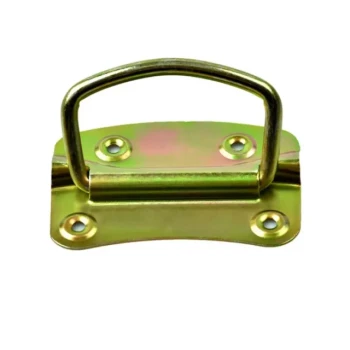
- Professional Grade Foldable Beehive Handles
- Yellow Plastic Bucket Pail Perch for Beekeeping
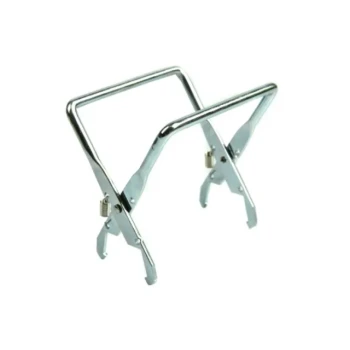
- Durable Galvanized Steel Frame Grip
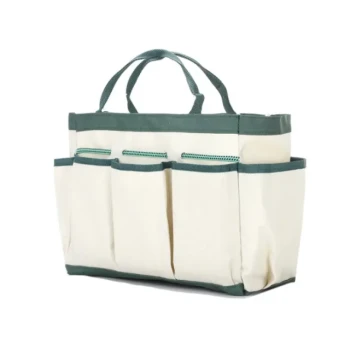
- Professional 600D Oxford Cloth Beekeeping Tool Bag with 8 Pockets and Elastic Loops
- Metal Bee Hive Stand Bee Box Stand for Beekeeping
People Also Ask
- How do bee hive handles facilitate the evaluation of food stores? Use the Lift Test for Winter Survival
- How do the geometry and dimensions of hive handles influence operational safety and control? Expert Design Insights
- What is a bee hive tool? Discover Why It’s the Most Essential Hand Tool for Every Beekeeper
- What are the common sizes and features of bee hive tools? Choose the Right Tools for Your Apiary
- What is the role of professional hive tools in routine apiary maintenance? Expert Tips for Hive Health and Longevity