Head anatomy provides a practical way to distinguish worker, drone, and queen bees, but queen management tools depend on more than head size alone. Drones have the largest compound eyes and antennae for locating queens during mating flights. Workers have more developed feeding and glandular structures, while queens have comparatively smaller sensory structures and a head adapted to life inside the hive. These differences support rapid caste identification during inspections and help beekeepers choose suitable queen-rearing, marking, isolation, and hive-separation equipment.
The most reliable approach is to use head features for identification, then confirm caste with body size, reproductive role, and behavior. Queen excluders and related hardware primarily exploit differences in overall body dimensions, while queen cages, marking tools, and rearing kits address the queen’s reproductive importance and vulnerability.
How Caste-Specific Head Anatomy Differs
Drones Have the Largest Visual System
Drones have unusually large compound eyes that meet or nearly meet at the top of the head. Their enlarged eyes provide a broad visual field for detecting and pursuing queens during mating flights.
Their antennae are also highly developed, giving drones an exceptionally strong sensory system. This combination makes the drone’s head visibly broader and more eye-dominated than the worker’s or queen’s.
Workers Have Feeding and Glandular Adaptations
Worker bees have a more elongated proboscis for collecting nectar and feeding colony members. Their head also contains active hypopharyngeal glands that produce components of brood food and royal jelly.
These structures reflect the worker’s varied responsibilities, including nursing, food handling, and foraging. Workers also have smaller compound eyes than drones, with head proportions suited to close-range hive work and outdoor navigation.
Queens Have Smaller Sensory Structures
Queens generally have smaller compound eyes and less-developed sensory and feeding structures than workers and drones. Their primary biological function is reproduction, so their anatomy is centered on egg laying, pheromone production, and interaction with the colony rather than foraging or mating-flight navigation.
Head appearance alone should not be used to identify a queen. The queen’s elongated abdomen, larger overall body, distinctive movement, and the attention paid to her by workers are usually more dependable field indicators.
How Anatomy Supports Caste Identification
Use Multiple Features During Inspections
A drone is usually recognizable by its broad body, very large eyes, and absence of a stinger. A worker is smaller and typically shows the active, task-oriented behavior associated with foraging, nursing, defense, or comb work.
A queen is larger and longer-bodied, often surrounded by attendants. Her head may appear less visually prominent than a drone’s, but her abdomen and behavior provide stronger confirmation.
Head Features Help With Fast Sorting
During a frame inspection, head anatomy can provide an immediate first impression before the beekeeper examines the rest of the bee. This is useful when checking whether a frame contains workers, drones, or a queen.
However, lighting, viewing angle, bee age, and crowding can make visual identification difficult. Professional inspections should combine head characteristics with body shape, reproductive signs, and colony context.
Caste Recognition Supports Colony Decisions
Identifying the queen helps beekeepers evaluate egg-laying, queen presence, supersedure, and the need for re-queening. Monitoring drones can also provide information about mating readiness and colony balance.
An unusual drone population or multiple eggs per cell may indicate a queenless colony with laying workers. In that situation, accurate inspection and rapid access to appropriate queen-management supplies become operational priorities.
How These Differences Guide Queen Management Tools
Queen Excluders Rely Primarily on Body Dimensions
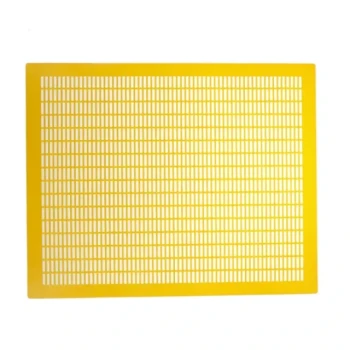
A queen excluder uses precisely spaced openings that allow workers to move between hive areas while restricting the larger queen. Drones are also generally too large to pass through standard excluder openings.
The design is therefore based mainly on the overall size and thoracic dimensions of the castes, not on head anatomy alone. Correct spacing, frame alignment, and product quality are essential because poorly manufactured or damaged excluders can obstruct workers or allow unintended passage.
Queen Cages Protect the Reproductive Individual
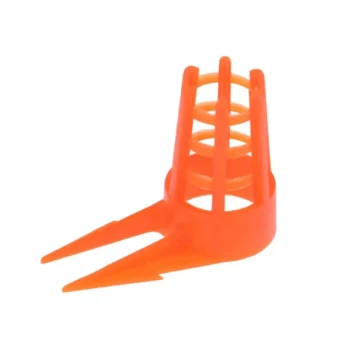
Queen marking cages and introduction cages are designed to isolate the queen while allowing controlled contact with worker bees. This reduces the risk of injury, rejection, or conflict during queen introduction and colony re-queening.
The queen’s reproductive importance makes handling precision more important than simple caste separation. Equipment should provide secure containment without damaging the queen’s legs, wings, abdomen, or antennae.
Queen Marking Tools Improve Field Tracking
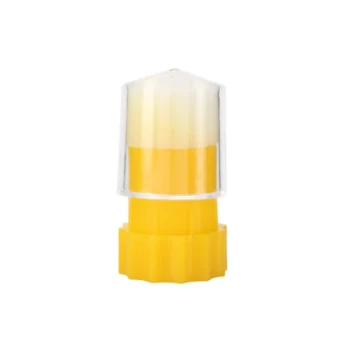
A marked queen is easier to locate during inspections, especially in colonies with dense populations. Marking pens, tubes, and cages help the beekeeper handle her without applying excessive pressure.
Because queens can be difficult to distinguish in moving clusters, marking tools complement anatomical recognition. They are especially valuable for tracking queen age, replacement cycles, and performance across multiple colonies.
Queen-Rearing Kits Reflect Queen Biology
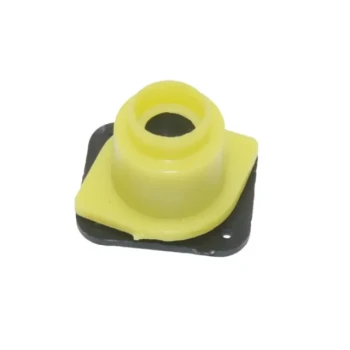
Queen-rearing equipment supports controlled production, transfer, introduction, and protection of queens. Components such as cell cups, grafting tools, cages, and mating-related accessories are selected around the queen’s delicate developmental stages and reproductive role.
The head differences help confirm the caste, but the equipment must accommodate the full queen life cycle. A complete supplier portfolio is therefore more useful than sourcing isolated components from multiple vendors.
Inspection Tools Complete the System
Hive tools, frame grips, lighting, and protective equipment help beekeepers inspect bees closely enough to distinguish caste features. Good visibility is particularly important when comparing the drone’s large eyes with the smaller sensory structures of workers and queens.
For commercial operations, dependable availability matters alongside technical specifications. Consolidated sourcing, responsive customer service, and efficient fulfillment reduce delays when colonies require immediate queen replacement or inspection supplies.
Understanding the Trade-offs
Visual Identification Is Fast but Not Infallible
Head anatomy provides useful clues, but it can be misleading when bees are partially hidden, newly emerged, damaged, or viewed under poor lighting. A queen should be confirmed through body shape, egg-laying evidence, and worker behavior whenever possible.
Relying on a single feature increases the risk of misidentification and inappropriate intervention.
Excluders Can Affect Colony Movement
A queen excluder can keep the queen in the brood area and help control honey storage, but it also adds a physical barrier to worker movement. Poor positioning, incorrect dimensions, or rough construction may reduce colony efficiency.
Excluders should be matched to the hive format and installed so that openings remain clear and properly aligned.
Specialized Tools Require Correct Handling
Cages, marking tubes, and rearing tools protect queens only when used carefully. Excessive pressure, prolonged isolation, or an unsuitable introduction process can stress or injure the queen.
The best equipment cannot compensate for poor inspection technique or an incorrect diagnosis of colony conditions.
Product Selection Must Match the Operation
A small apiary may need only basic inspection and queen-marking equipment, while a commercial breeder may require a coordinated range of excluders, cages, grafting tools, mating accessories, and replacement queens.
Distributors and resellers should therefore evaluate dimensional consistency, compatibility across hive systems, supply continuity, response times, and order fulfillment performance rather than treating each tool as an isolated product.
How to Apply This to Your Apiary or Product Portfolio
Choose equipment according to the management outcome you need, then use caste anatomy to verify that the tool is being applied to the correct bee.
- If your primary focus is rapid hive inspection: Train staff to use drone eye size, worker feeding structures, and queen body shape together rather than relying on one head feature.
- If your primary focus is queen isolation and introduction: Stock appropriately sized queen cages, marking tubes, and protective rearing equipment that support controlled handling.
- If your primary focus is brood and honey management: Select precisely dimensioned queen excluders matched to the hive format, recognizing that separation depends mainly on overall caste size.
- If your primary focus is commercial queen production: Build a coordinated portfolio of grafting tools, cell cups, cages, marking supplies, and inspection equipment with consistent availability.
- If your primary focus is distribution or resale: Prioritize a one-stop supplier with broad product coverage, rapid response, dedicated technical support, and reliable delivery to reduce procurement complexity for beekeeping customers.
Understanding caste anatomy turns queen management from guesswork into a repeatable inspection and equipment-selection process.
Summary Table:
| Caste | Head Features | Best Tools |
|---|---|---|
| Worker | Elongated proboscis, active glands | Hive tools, feeding equipment |
| Drone | Large compound eyes, developed antennae | Drone excluders, mating boxes |
| Queen | Smaller eyes, elongated abdomen | Queen cages, marking kits, excluders |
For reliable queen management tools and comprehensive beekeeping supplies, choose HONESTBEE. We offer a full spectrum of equipment, expert support, and fast delivery to keep your apiary thriving. Contact us today to discuss your needs.
Related Products
- Stainless Steel Queen Grafting Tool for Beekeeping and Bee Queen Grafting
- Plastic Chinese Queen Grafting Tool for Bee Queen Rearing
- Black 2 Pack Beekeeper Queen Grafting Tool for Bee Queen Larva Transferring Needle
- Stainless Steel Beekeeping Queen Grafting Tool for Honey Bee Rearing
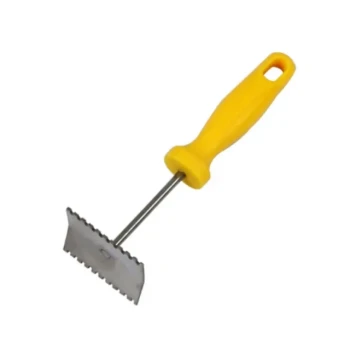
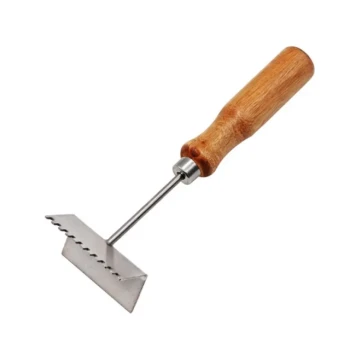
- Stainless Steel Scraper for Metal Queen Bee Excluders
People Also Ask
- What is grafting in queen rearing? Take Control of Your Apiary's Genetics
- What are the benefits of using a queen grafting tool for queen rearing? Master Precision for Superior Bee Genetics
- What are the steps involved in using a queen grafting tool? A Guide to Successful Queen Rearing
- What is the step-by-step process for using a queen grafting tool? Master Larva Transfer for Better Queen Rearing
- What is the primary function of a queen grafting tool? Master Precise Larval Transfer for High Queen Acceptance