Industrial-grade machinery acts as the critical bridge between raw natural resources and marketable commodities. By utilizing specialized beehive manufacturing equipment to optimize colony survival and high-precision honey-filling machinery to ensure product purity, operators transform the ecological potential of a region into standardized, high-value commercial products. This hardware ensures that the biological advantages of a high-potential region are efficiently captured and converted into sustainable economic returns.
Core Takeaway: Technology converts "potential" into "value" by stabilizing two variables: the health of the producer (the bee) and the quality of the product (the honey). By standardizing these elements, industrial equipment creates a scalable economic loop that incentivizes the continued conservation of the local environment.
Optimizing Production at the Source
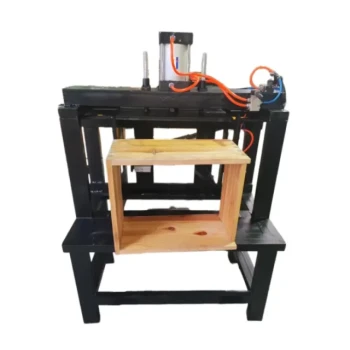
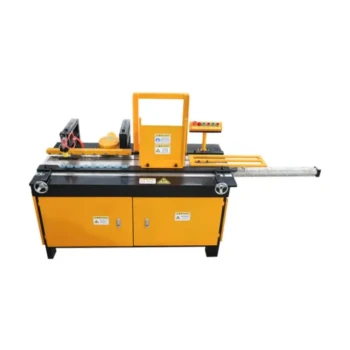
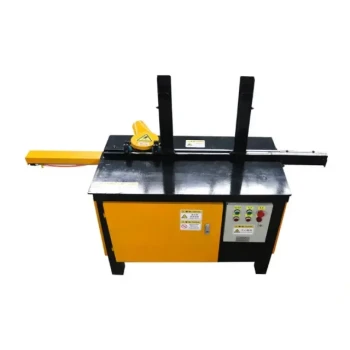
To convert ecological value, one must first maximize the efficiency of the biological "workers"—the bees. Industrial beehive manufacturing equipment moves beyond basic carpentry to create high-performance biological environments.
Customization for Local Ecosystems
Industrial manufacturing allows for the production of customized beehives specifically tailored to the vegetation and climate characteristics of a region. By adapting the physical structure of the hive to the local environment, operators optimize the survival conditions for the colony. This direct adaptation increases honey yield by reducing environmental stress on the bees.
Thermal Regulation and Colony Health
Standardized wooden beehive machinery produces hives with uniform specifications and superior insulation properties. This construction assists honeybees in maintaining the internal nest temperature within the optimal brood-rearing range of 32 to 36 degrees Celsius. Stable thermal conditions are critical for colony health, directly stabilizing production levels even when external weather fluctuates.
Enabling Large-Scale Operations
Once GIS modeling identifies a high-potential area, manufacturing machinery enables the rapid mass production of standardized breeding containers. This capability allows operations to scale quickly to match the ecological capacity of the region. Without this hardware, expanding to utilize a region's full floral potential would be bottlenecked by a lack of housing for the colonies.
Securing Value Through Processing
Harvesting honey is only half the equation; preserving its value requires sophisticated processing. Honey-filling machinery transforms a raw agricultural by-product into a shelf-ready consumer good.
Preventing Secondary Contamination
High-precision filling machinery utilizes closed, hygienic processing systems to ensure the standardization and purity of honey. This automation eliminates human contact during packaging, effectively preventing secondary contamination. This is the primary defense in maintaining the safety standards required for commercial distribution.
Preservation of Bio-Active Compounds
Beyond basic hygiene, automated equipment maximizes the retention of natural antioxidants and beneficial microorganisms, such as lactic acid bacteria. By strictly controlling the filling environment, the machinery ensures that the final product retains the specific nutritional profile that gives the regional honey its premium market value.
Facilitating Brand Development
Automated filling facilitates the transition from bulk commodity to branded retail product through precise weighing, sealing, and labeling. This standardization is the technical foundation for brand development. It allows producers to move up the value chain, capturing a higher percentage of the final market price rather than selling raw ingredients at wholesale rates.
Understanding the Trade-offs
While industrial equipment is essential for scaling, it introduces specific complexities that must be managed.
The Necessity of Volume
Industrial-grade machinery is designed for high-throughput operations. Investing in this level of automation requires a guaranteed supply of raw material (nectar sources) to justify the capital expenditure. If the ecological assessment of the region is inaccurate and floral resources are scarce, the equipment becomes a stranded asset.
Standardization vs. Micro-Adaptation
While standardization facilitates scale, it can sometimes overlook unique micro-climate needs if not carefully managed. Operators must ensure that the "standard" hive specifications produced by the machinery are indeed the correct specifications for that specific geographic zone before committing to mass production.
Making the Right Choice for Your Goal
The hardware you select should align with where you perceive the greatest bottleneck in your value chain.
- If your primary focus is maximizing yield in difficult climates: Prioritize beehive manufacturing equipment that produces high-insulation, customized hives to protect colony health and stabilize brood rearing.
- If your primary focus is entering premium retail markets: Invest heavily in automated honey-filling machinery with closed-loop systems to guarantee the retention of antioxidants and ensure certified hygiene standards.
Ultimately, these technologies do not just process honey; they monetize conservation by creating a profitable cycle where protecting the environment yields direct financial returns.
Summary Table:
| Equipment Type | Primary Function | Core Benefit to Ecological Value |
|---|---|---|
| Beehive Manufacturing Machinery | Mass production of customized hives | Optimizes colony survival and thermal stability (32-36°C) |
| Honey-Filling Machinery | Automated, closed-loop packaging | Preserves bio-active compounds and ensures food safety |
| Scaling Tools | Standardized breeding containers | Enables rapid expansion to match regional floral capacity |
| Processing Systems | Branding and retail finishing | Facilitates transition from bulk commodity to premium brand |
Unlock the Commercial Potential of Your Apiary with HONESTBEE
Transform your regional floral wealth into a premium global brand with HONESTBEE. As a dedicated partner to commercial apiaries and distributors, we provide the industrial-grade infrastructure necessary to scale your operations and secure your product's value.
Why Partner with HONESTBEE?
- Comprehensive Wholesale Range: From specialized hive-making and honey-filling machines to a full spectrum of beekeeping tools and consumables.
- Advanced Engineering: Our machinery is designed for high-throughput, ensuring precision in thermal regulation and hygienic processing.
- Cultural Merchandise: Beyond hardware, we offer honey-themed cultural merchandise to help diversify your market appeal.
Ready to elevate your production from raw honey to a high-value consumer brand? Contact us today to discuss your wholesale equipment needs and let us help you monetize your conservation efforts.
References
- Azam Khosravi Mashizi, Francisco J. Escobedo. The role of traditional ecological knowledge and ecosystem quality in managing ecosystem services. DOI: 10.1038/s41598-025-17611-z
This article is also based on technical information from HonestBee Knowledge Base .
Related Products
- Automatic Honey Filling and Filtering Machine for Beekeeping Bottle Filling
- Fully Automatic Honey Filling Packaging Machine for Processing Line
- Double Nozzle Small Honey Filling Machine Honey Sachet Packing Packaging Equipment
- Precision Durable Efficient HONESTBEE Rotary Honey Filling Machine
- Economy Small Honey Filling Machine Honey Bottle Filler Packaging Machine
People Also Ask
- What process advantages do professional honey filtering and filling machines provide? Optimize Your Organic Honey Output
- How do honey filling and filtering machines increase product value? Turn Raw Honey into Premium Export-Grade Goods
- How do honey filtration and filling machinery contribute to industrialization? Scale Your Commercial Honey Production
- What specific issues do industrial filtration and automated filling machinery address? Ensure Honey Quality & Compliance
- How does the use of professional honey filtration and filling machinery facilitate international honey exports?