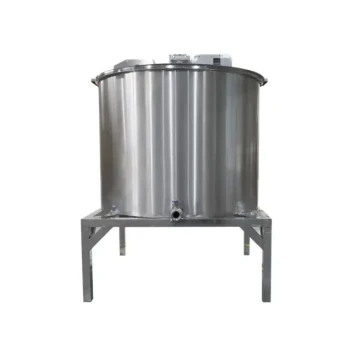
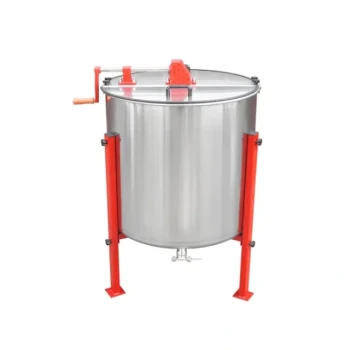
Industrial-grade honey extraction and processing tools ensure quality by replacing manual squeezing with precise physical separation methods that prevent contamination and preserve bioactive compounds. These tools utilize centrifugal force, closed-loop filling systems, and specialized thermal controls to manage the high moisture content and delicate nature of stingless bee honey. By automating the workflow, producers can guarantee a consistent, hygienic, and shelf-stable product that meets stringent international standards.
Core Takeaway: For B2B resellers, industrial-grade equipment is the technical foundation for transforming a raw, volatile product into a high-value, export-ready commodity. It eliminates human error and environmental contamination, ensuring the honey’s medicinal and sensory profiles remain intact throughout the supply chain.
Eliminating Contamination through Physical Precision
The Shift from Manual Squeezing to Centrifugal Force
Traditional manual extraction often forces honey through colony waste areas, leading to secondary contamination. Industrial extractors use centrifugal force or physical pressure to isolate honey from the wax pots without crushing the entire hive structure.
Protecting the Brood Nest and Pollen Pots
Specialized tools are designed to precisely open sealed honey pots while leaving pollen pots and brood nests undisturbed. This precision reduces impurity levels and prevents the accidental introduction of larval material or pollen residues into the final liquid product.
Material Integrity and Microbial Defense
Because stingless bee honey is highly acidic and has high water content, industrial tools utilize food-grade, non-reactive materials. These specialized contact surfaces prevent metallic oxidation and microbial growth, which are primary risks during the harvesting phase.
Preservation of Bioactive and Sensory Profiles
Minimizing Oxidation via Closed-Loop Systems
Industrial filling machines employ closed-loop systems that significantly reduce the time honey is exposed to the air. This minimizes oxidation, preserving the natural enzymes, vitamins, and amino acids that define the honey’s medicinal value.
Precision Metering and Bubble Reduction
Automated filling ensures precision metering and prevents the introduction of air bubbles during the bottling process. This results in a more stable product with a professional appearance, directly enhancing its competitiveness in high-end retail markets.
Managing Transparency and Crystallization
Industrial processing equipment uses precisely controlled heating and filtration to manage the physical state of the honey. By maintaining specific temperature profiles, producers can prevent unintended crystallization and maintain clarity without damaging the honey’s unique aroma or flavor.
Managing High Moisture and Fermentation Risks
Controlling Early Fermentation
The high moisture content of stingless bee honey makes it naturally prone to rapid fermentation. Industrial-grade tools allow for better control over this risk by ensuring a rapid, hygienic transition from the hive to the sealed bottle, limiting environmental yeast exposure.
Standardizing Physical and Chemical Quality
Automation ensures that every unit entering the distribution chain has been handled under the same hygienic protocols. This consistency is vital for wholesalers who require reliable product specifications for large-scale distribution and export.
Understanding the Trade-offs and Pitfalls
Thermal Damage vs. Stability
While heat is necessary to prevent crystallization and manage viscosity, excessive temperatures can degrade sensitive enzymes. Professionals must balance thermal stability with the preservation of the honey’s "raw" biological activity.
Capital Investment vs. Market Access
The high initial cost of industrial-grade equipment can be a barrier; however, manual processing often results in batches that fail international food safety tests. Investing in professional-grade tools is a prerequisite for accessing premium B2B markets and ensuring long-term profitability.
How to Apply This to Your Sourcing Strategy
Choosing the right processing foundation is critical for maintaining a reliable supply of premium honey. Our expertise in full-spectrum equipment sourcing ensures you receive tools designed for rapid order fulfillment and exceptional durability.
- If your primary focus is Export and International Compliance: Prioritize closed-loop filling systems and certified food-grade extraction materials to meet global hygiene standards.
- If your primary focus is Medicinal Value and Premium Branding: Focus on low-impact centrifugal extractors and precision thermal controls that protect the honey’s natural enzyme profile.
- If your primary focus is Volume and Efficiency: Invest in automated precision metering and high-speed filtration systems to ensure rapid response times and consistent bottle-to-bottle quality.
By leveraging industrial-grade technology, you secure a technical advantage that ensures every bottle of stingless bee honey meets the highest standards of purity, potency, and professional presentation.
Summary Table:
| Technology/Feature | Technical Function | Impact on Honey Quality |
|---|---|---|
| Centrifugal Extraction | Physical separation without crushing pots | Eliminates contamination from hive waste/larvae |
| Closed-Loop Filling | Air-tight automated bottling systems | Minimizes oxidation and preserves enzymes/vitamins |
| Precision Thermal Control | Managed heating and cooling cycles | Prevents fermentation while avoiding thermal damage |
| Food-Grade Materials | Non-reactive contact surfaces | Prevents metallic oxidation and microbial growth |
| Precision Metering | Automated volume and bubble control | Ensures consistent shelf stability and presentation |
Scale Your Honey Business with HONESTBEE’s One-Stop Sourcing
Are you a distributor or commercial apiary looking to elevate your product standards? HONESTBEE offers a comprehensive, full-spectrum portfolio of beekeeping tools, machinery, and consumables designed to meet the rigorous demands of the global market.
Why Partner with HONESTBEE?
- Comprehensive Wholesale Offering: From hive-making machinery and honey-filling systems to essential consumables and cultural merchandise—we have it all.
- Rapid Fulfillment: Benefit from our ultra-fast delivery and efficient order processing to keep your inventory moving.
- Industry Expertise: Leverage our deep professional knowledge to ensure your equipment meets international food safety and export standards.
- B2B Advantage: We offer competitive profit margins and dedicated customer service tailored specifically for wholesalers and resellers.
Ready to transform your production capacity? Contact our expert team today to discuss your bulk requirements!
References
- Segni Giza, Dema Dugda. Assessment of Stingless Bee Production Potentials, Distribution, and Constraints in West Hararghe Zone, Oromia, Ethiopia. DOI: 10.11648/j.ajz.20240703.11
This article is also based on technical information from HonestBee Knowledge Base .
Related Products
- HONESTBEE 72 Frame Industrial Electric Honey Extractor for Beekeeping
- Professional Stainless Steel Pry-Bar Hive Tool
- Electric Double Wall Honey Filtering Machine Purifier Equipment for Honey Processing Plant
- 32 Frame Commercial Electric Honey Extractor for Beekeeping and Honey Production
- Stainless Steel Pivoting Honey Uncapping Fork with Plastic Handle
People Also Ask
- What is the importance of balancing honeycomb frames within a honey extractor? Ensure Stability and Protect Machinery
- How is honey separated from the frames after they are uncapped? Efficient Extraction Methods for High Yields
- What are the main benefits of using a honey extractor? Maximize Yields and Protect Your Honeycomb
- What are the recommended methods for removing honey from the honeycomb? Top Extraction Techniques for Maximum Efficiency
- How do manual honey extractors compare to electric honey extractors? Choosing the Right Tool for Your Apiary Growth