Professional beekeeping tools are not merely conveniences; they are vital instruments for ensuring colony longevity. By minimizing physical disruption and significantly reducing the time a hive remains open, tools like smokers and hive tools lower colony stress levels—a decisive factor in maintaining high survival rates during disease outbreaks or environmental challenges.
Core Takeaway The link between tool quality and colony survival is mediated by stress management and precision. Professional equipment facilitates rapid, non-destructive inspections, preserving the colony's energy and structural integrity while ensuring accurate disease intervention.
The Physiology of Stress and Survival
The primary threat to a colony during inspection is not the beekeeper, but the stress caused by the intrusion. Professional tools are engineered to mitigate this biological cost.
The Critical Role of the Bee Smoker
A professional bee smoker is essential for masking alarm pheromones. By generating controlled, cool smoke, the smoker interferes with the chemical signals bees use to coordinate defensive behavior.
This sedation allows for inspections with minimal disruption, preventing the chaotic energy expenditure that occurs when a colony goes into defense mode.
Furthermore, high-quality smokers ensure a stable output without open flames. This prevents physical burns to the bees and avoids introducing tar impurities that could contaminate the hive environment.
Precision with Hive Tools
Bee colonies seal their environment with propolis, a resinous substance that requires significant force to break.
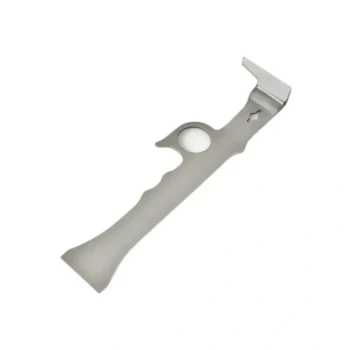
Specialized hive tools are constructed from high-strength materials designed to pry open covers and separate frames precisely.
Using improvised tools often leads to jerky, forceful movements that crush bees and damage the hive structure. Professional tools allow for smooth leverage, ensuring the maintenance procedure is efficient and reduces the total time the hive interior is exposed to the elements.
Beyond Inspection: Tools for Health Management
Survival is also dictated by how effectively a beekeeper can manage nutrition and disease. Specialized hardware plays a direct role here.
Hygienic Feeding Systems
During nectar scarcity or extreme weather, colonies rely on supplemental feeding. Industrialized feeding appliances utilize anti-overflow designs to deliver syrup or protein.
These tools are critical for survival because they prevent bee drowning—a common cause of mortality with amateur feeding methods—and maintain feed hygiene to prevent pathogen spread.
Targeted Disease Control
Tools designed for veterinary drug application and pest monitoring are prerequisites for controlling threats like the Varroa mite.
These devices ensure treatments are delivered at the correct dosages and distributions. Without precise application tools, treatments can be ineffective (leading to colony collapse) or toxic (killing the bees).
The Role of Data in Survival
Long-term survival rates are improved not just by physical tools, but by recording tools.
Distinguishing Genetics from Environment
Standardized management hardware and record-keeping tools provide objective evidence of a colony's history.
By tracking annual queen replacement, disease occurrences, and longevity, beekeepers can distinguish between environmental luck and inherent genetic resistance. This data allows for the propagation of stronger genetic lines, increasing the apiary's overall survival rate over time.
Understanding the Trade-offs
While professional tools are necessary, their misuse can have negative impacts.
The Risk of Over-Smoking
While smoke calms bees, excessive or hot smoke can contaminate honey and stress the bees physically. The goal is to mask pheromones, not to choke the colony.
Reliance vs. Technique
High-quality hive tools facilitate movement, but they do not replace careful technique. Even with professional gear, aggressive prying can roll bees between frames, killing the queen or injuring workers. Tools enhance a skilled hand; they do not replace it.
Making the Right Choice for Your Goal
Selecting the right tools depends on the specific survival challenge your apiary faces.
- If your primary focus is minimizing inspection stress: Prioritize a high-quality smoker with cool-smoke capability to mask pheromones without physical damage.
- If your primary focus is disease management: Invest in precise veterinary application equipment and pest monitoring consumables to ensure accurate dosing for Varroa control.
- If your primary focus is long-term genetic resilience: Utilize standardized recording tools to track survival data and identify your strongest queens.
Ultimately, professional tools increase survival rates by transforming beekeeping from a disruptive intrusion into a precise, managed intervention.
Summary Table:
| Tool Type | Impact on Colony Survival | Key Benefit for Apiaries |
|---|---|---|
| Bee Smoker | Reduces defensive energy expenditure | Masks alarm pheromones & prevents heat damage |
| Hive Tools | Minimizes physical disruption | High-strength leverage prevents crushing & saves time |
| Hygienic Feeders | Prevents mortality during scarcity | Anti-overflow designs eliminate bee drowning & disease |
| Application Tools | Ensures effective disease control | Precise dosing for Varroa treatment & pest management |
| Data Records | Long-term genetic improvement | Tracks queen history to identify resilient genetic lines |
Maximize Your Apiary's Productivity with HONESTBEE
At HONESTBEE, we understand that for commercial apiaries and distributors, equipment quality is directly linked to the bottom line. Our comprehensive wholesale range includes everything from high-performance bee smokers and precision hive tools to advanced honey-filling machines and hive-making hardware.
Whether you are scaling your operation or supplying the industry, we provide the essential consumables and specialized machinery needed to ensure colony health and operational efficiency. Partner with us to access professional-grade tools that deliver results.
Contact HONESTBEE Today for Wholesale Solutions
References
- Mert Kükrer, Aykut Kence. Honey Bee Diversity Is Swayed by Migratory Beekeeping and Trade Despite Conservation Practices: Genetic Evidence for the Impact of Anthropogenic Factors on Population Structure. DOI: 10.3389/fevo.2021.556816
This article is also based on technical information from HonestBee Knowledge Base .
Related Products
- Professional 600D Oxford Cloth Beekeeping Tool Bag with 8 Pockets and Elastic Loops
- HONESTBEE Professional Mini J-Hook Hive Tool for Beekeeping
- Double Head Beekeeping Grafting Tools for Beekeepers
- HONESTBEE 15-in-1 Beekeeper Multi-Tool with Hammer and Pliers for Beekeeping
- Professional Stainless Steel J-Hook Hive Tool
People Also Ask
- What is the recommended method for storing beekeeping tools? Expert Vertical Storage Solutions for Your Apiary
- How does a favorable microclimate interact with beekeeping tools? Boost Overwintering Success and Equipment Longevity
- Why is the treatment of beekeeping tools with high-concentration chemical disinfectants necessary for preventing AFB?
- What are the approximate costs of basic beekeeping tools? Start Your Apiary for Under $85
- Proper Beekeeping Tools and Regular Hive Maintenance: How to Mitigate Pest Infestations and Colony Instability?