Commercial-grade honey quality relies heavily on physical purification processes that transform raw harvest into a shelf-stable product. Settling tanks and multi-stage filters work in tandem to remove impurities; settling uses gravity to separate large particles, wax residues, and air bubbles, while filtration targets microscopic suspended matter to ensure the final liquid is clear and transparent.
The Bottom Line: While extraction gathers the resource, purification defines the value. By effectively removing mechanical debris and air without chemical intervention, these tools ensure honey meets the stringent clarity, hygiene, and sensory standards required for the competitive retail market.
The Mechanics of Purification
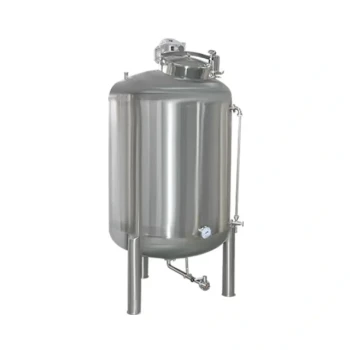
The Function of Settling Tanks
Settling tanks operate on the principle of specific gravity and natural stratification. They provide the necessary "standing time" for the honey to rest after extraction.
During this phase, lighter elements like wax debris and air bubbles rise to the surface, while heavier mechanical impurities sink or suspend. This process allows for natural de-aeration, which is critical for preventing foaming during packaging.
The Role of Multi-Stage Filtration
While settling handles macroscopic debris, multi-stage filters address microscopic suspended matter. This equipment often utilizes high-efficiency consumables to polish the liquid.
These filters effectively intercept fine contaminants, such as larval remains and organic impurities, that persist after centrifugation. This step is essential for achieving the "sparkling" clarity expected by consumers.
Elevating Commercial Value
Meeting Sensory Standards
The primary commercial contribution of these tools is the enhancement of visual appeal. The retail market demands a product that is free from cloudiness and visible specks.
By removing fine particles and micro-bubbles, the honey achieves a high degree of transparency. This optical clarity is often a prerequisite for meeting the organoleptic standards of both domestic and export markets.
Ensuring Hygiene and Shelf Life
Beyond aesthetics, these tools are vital for food hygiene standards. Removing organic debris minimizes the risk of spoilage and biological contamination.
Furthermore, physical purification extends shelf life. By removing particulate matter, you reduce the surface area available for moisture absorption and oxidation, maintaining the honey's physicochemical stability during storage.
Safeguarding Product Purity
Proper filtration safeguards the integrity of the yield. It removes non-honey substances that could otherwise skew production data or analysis.
By preserving essential bioactive components while removing physical contaminants, these systems verify the product is a high-purity liquid. This serves as a safeguard against claims of adulteration by ensuring only the ripened, processed nectar remains.
Understanding the Trade-offs
Balancing Clarity with Bioactivity
There is a delicate balance between purification and stripping the product. The goal is to remove mechanical impurities without filtering out beneficial pollen or enzymes.
Over-filtration can result in a sterile syrup that lacks the unique character of honey. Professional equipment is designed to target specific particle sizes to preserve these bioactive markers.
Time vs. Throughput
Effective settling requires time for gravity to work. This creates a potential bottleneck in high-volume production lines.
Ignoring the settling period to rush production often leads to bubble entrapment in the final bottle. This compromises both the visual quality and the accuracy of the fill volume.
Making the Right Choice for Your Goal
- If your primary focus is Mass Retail Distribution: Prioritize multi-stage filtration to ensure absolute transparency and maximize shelf stability for long logistics chains.
- If your primary focus is Artisanal or "Raw" Branding: Rely heavily on settling tanks for natural clarification to remove wax and debris while preserving the maximum amount of pollen and bioactivity.
By correctly implementing these mechanical separation stages, you transform variable raw materials into a standardized, high-value commercial commodity.
Summary Table:
| Feature | Settling Tanks | Multi-Stage Filters |
|---|---|---|
| Mechanism | Gravity & Stratification | Mechanical Interception |
| Primary Goal | De-aeration & Wax Removal | Polishing & Micro-debris Removal |
| Target Impurities | Air bubbles, wax, large particles | Fine organic matter, larval remains |
| Commercial Impact | Prevents foaming; natural clarity | High transparency; sparkling finish |
| Key Benefit | Preserves bioactivity | Maximizes shelf life & hygiene |
Elevate Your Honey Production Standards with HONESTBEE
To succeed in the global honey market, professional purification is non-negotiable. HONESTBEE specializes in empowering commercial apiaries and distributors with premium beekeeping machinery and essential consumables. Whether you are scaling up your processing line with advanced honey-filling machines or need high-efficiency multi-stage filtration systems, our comprehensive wholesale offering has you covered.
From specialized hardware to honey-themed cultural merchandise, we provide the tools to ensure your honey meets the highest sensory and hygiene standards. Transform your raw harvest into a premium commercial commodity today.
Contact HONESTBEE to Optimize Your Production
References
- Shehu Folaranmi Gbolahan Yusuf, Nolitha L. Skenjana. Beekeeping and crop farming integration for sustaining beekeeping cooperative societies: a case study in Amathole District, South Africa. DOI: 10.1007/s10708-017-9814-7
This article is also based on technical information from HonestBee Knowledge Base .
Related Products
- Stainless Steel Honey Storage and Settling Tank with Double Strainer
- Heavy Duty Stainless Steel Honey Processing Machine Decrystallizing Tank
- Stainless Steel Honey Storage Tank with Lid for Honey
- Professional Honey Storage Tank with Agitation System
- Stainless Steel Uncapping Tank with Stand and Strainer
People Also Ask
- What economic role do honey storage tanks play? Boost Your Revenue Through Strategic Inventory Management
- What roles do industrial honey storage tanks and filtration meshes play in processing? Ensure Purity & Consistency
- What is the purpose of a honey storage tank? Streamline Your Honey Processing for Quality & Efficiency
- What role do settling tanks play in honey production? Achieve Pure, High-Clarity Honey Naturally
- Why are large settling tanks used in the honey clarification process? Achieve Natural Purity & Batch Consistency