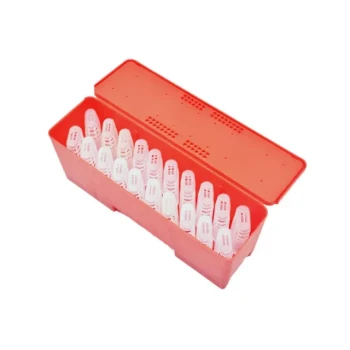
Specialized bee packages function as a biological quarantine by specifically exploiting the short lifespan of the Tropilaelaps clareae mite when separated from honeybee brood. Because these packages are designed to transport only adult bees—strictly excluding the larvae these mites require—the parasites cannot sustain themselves. Consequently, the mites typically die within three days, utilizing the duration of international air transit as a passive but effective sterilization period.
The prevention mechanism relies on the mite's biological inability to survive without honeybee brood. By removing larvae from the transport equation, standard shipping durations naturally exceed the parasite's lifespan, effectively purging the package of this specific pest before it reaches its destination.
The Biological Mechanism of Exclusion
Exploiting Larval Dependency
The efficacy of specialized bee packages hinges on the life cycle of Tropilaelaps clareae. These mites are obligate parasites that depend heavily on honeybee larvae (brood) for feeding and reproduction.
To interrupt this cycle, export packages are prepared as "shook swarms." This means they contain only adult bees and are completely devoid of comb or brood.
The Critical Three-Day Window
Once separated from the brood, the mites face a rapid biological countdown. Without their primary food source and reproductive host, their resilience drops precipitously.
Primary data indicates that Tropilaelaps clareae typically survive no more than three days in an environment restricted to adult bees. This tight physiological limit is the cornerstone of the containment strategy.
Natural Sanitation During Transit
The logistics of international shipping are turned into a biological advantage. The time required for processing, air transport, and customs clearance usually creates a duration that rivals or exceeds the mite's survival window.
As the package travels, the mites die off naturally. By the time the shipment arrives at a non-infested geographical area, the risk of viable mites remaining is significantly reduced.
Operational Constraints and Trade-offs
The Necessity of Total Isolation
For this mechanism to work, the physical isolation provided by the package must be absolute. The container serves as a quarantine zone that prevents the bees from contacting outside sources and prevents the mites from escaping before they expire.
Any breach in the package, or the accidental inclusion of even a small amount of brood, would compromise the "starvation" strategy and allow the mites to survive.
Vulnerability to Rapid Transit
While long-distance travel aids in pest control, there is a paradox regarding speed. If transport is exceptionally fast—specifically arriving in under three days—live mites could theoretically survive the journey.
This reality necessitates that packaging strategies be paired with strict border inspections. Physical isolation is a powerful tool, but it is not a standalone guarantee if the transit duration is insufficient to kill the parasite.
Ensuring Biosecurity in International Transit
To maximize the effectiveness of bee packages against Tropilaelaps clareae, adhere to the following guidelines:
- If your primary focus is regulatory compliance: strictly certify that packages contain zero brood, as the presence of larvae provides a survival reservoir for the mites.
- If your primary focus is risk mitigation: Plan logistics to leverage the natural mortality window, understanding that the absence of brood combined with transit time is the primary defense.
Effective pest exclusion relies on the strict separation of adult bees from the larvae that sustain the parasite.
Summary Table:
| Feature | Quarantine Mechanism | Impact on Tropilaelaps clareae |
|---|---|---|
| Package Content | Shook swarms (Adult bees only) | Removes larval food source needed for survival |
| Transit Duration | Minimum 3-day shipping window | Exceeds parasite lifespan without brood |
| Physical Isolation | Sealed, ventilated containers | Prevents escape or cross-contamination |
| Biological Factor | Obligate parasite dependency | Forces natural starvation of mites during transit |
Secure Your Apiary with Professional Beekeeping Solutions
Protecting your colony starts with the right equipment and biosecurity standards. HONESTBEE specializes in serving commercial apiaries and distributors with high-quality, wholesale beekeeping tools and machinery. Whether you need specialized hive-making equipment, honey-filling machines, or professional-grade consumables, our portfolio is designed to enhance your operational efficiency and safeguard your bees.
Ready to scale your beekeeping business? Contact us today to explore our full spectrum of hardware and honey-themed merchandise tailored for the global market.
References
- Michael A. Brown, Medwin H. Bew. Risks to UK beekeeping from the parasitic mite<i>Tropilaelaps clareae</i>and the small hive beetle,<i>Aethina tumida</i>. DOI: 10.1080/0005772x.2002.11099558
This article is also based on technical information from HonestBee Knowledge Base .
Related Products
- Plastic Transporting Bee Packages and Nuc Boxes for Beekeeping
- Professional 600D Oxford Cloth Beekeeping Tool Bag with 8 Pockets and Elastic Loops
- JZBZ Style Professional Battery Box with 20 Shipping Cages
- Australian Langstroth Beehive Boxes for Beekeeping Wholesales
- Professional Beekeeper Suit with Square Folding Cotton Veil
People Also Ask
- What role do bee package boxes play in the commercial transport and expansion of honeybee colonies? - Logistic Essentials
- What are beekeeping boxes called? A Guide to Hive Bodies and Box Types
- How do standardized bee packages serve as a recovery mechanism for commercial beekeeping? Ensure Business Continuity
- What is the commercial value of using standardized bee packages? Drive Scalability in Large-Scale Apiaries
- Why is the timely introduction of high-quality bee packages critical? Save Your Apiary from Asian Hornet Invasions