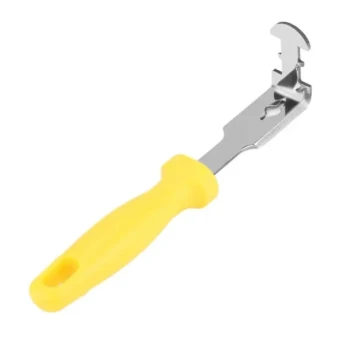
Drone Brood Removal frames function as a highly effective biological trap designed to physically extract varroa mites from the hive. These specialized components encourage the colony to produce drone larvae—the mites' preferred host for reproduction—effectively concentrating the parasites into a single location. By removing the frame after the cells are capped but before the adult drones emerge, beekeepers can destroy the infested brood and significantly lower the mite count without using chemicals.
Core Takeaway This method turns the varroa mite’s biological imperative against itself by creating a dedicated "sink" for the population. By sacrificing a controlled batch of male brood, beekeepers achieve a large-scale mechanical reduction of parasitic pressure, serving as a potent alternative or supplement to chemical treatments.
The Biological Mechanism
Exploiting Mite Preferences
The efficacy of this method relies entirely on the biological preference of varroa mites to parasitize drone larvae over worker larvae. Mites are naturally drawn to drone brood because the longer development cycle of the male bee allows the mites to produce more offspring.
Concentrating the Population
Because these specialized frames induce the bees to construct drone cells, they act as a magnet for the phoretic (traveling) mites in the hive. Rather than dispersing randomly across worker brood, a disproportionate number of mites will enter these specific cells to reproduce, effectively gathering the enemy into a contained area.
The Operational Workflow
Inducing Drone Cell Construction
The process begins when the beekeeper inserts the specialized frame into the hive. The design of the frame specifically induces bees to build drone cells, which are larger than standard worker cells. This structural cue is essential for triggering the colony's natural drive to raise drones.
The Capture Phase
Once the queen lays eggs in these cells and the larvae develop, varroa mites invade the cells just prior to capping. This is the "trap" mechanism in action: the mites seal themselves inside the drone cells, believing they have found an ideal reproductive environment.
Extraction and Destruction
The most critical step involves the large-scale physical removal of the frame. Once the drone cells are capped—trapping the mites inside—but strictly before the young bees emerge, the beekeeper removes the entire frame. The infested brood is then destroyed, permanently removing the trapped mites from the apiary ecosystem.
Understanding the Trade-offs
The Risk of Timing
Success with this method requires impeccable timing. If the beekeeper fails to remove the frame before the drones emerge, they will inadvertently breed a massive population of mites and release them back into the colony. This turns the solution into a liability.
Resource Investment
This method is resource-intensive for the colony. The bees consume honey and pollen to raise the drone brood that is ultimately destroyed. Therefore, this technique is a trade-off: the colony pays an energy tax in exchange for a massive reduction in parasitic load.
Making the Right Choice for Your Goal
To determine if Drone Brood Removal frames fit your management strategy, consider your specific objectives:
- If your primary focus is Chemical-Free Beekeeping: This tool is an essential component of Integrated Pest Management (IPM), allowing for significant mite reduction without contaminating wax or honey.
- If your primary focus is Low-Maintenance Management: This method may be unsuitable, as missing the critical removal window can drastically worsen the infestation rather than solving it.
Mastering this technique requires vigilance, but it offers one of the most effective non-chemical levers for controlling varroa populations.
Summary Table:
| Feature | Mechanism | Benefit |
|---|---|---|
| Targeted Attraction | Exploits mite preference for drone larvae | Concentrates mites in one manageable area |
| Mechanical Removal | Physical extraction of capped drone cells | Eliminates mites before they reproduce or emerge |
| Chemical-Free | Biological/Physical pest management | Prevents wax and honey contamination |
| IPM Integration | Non-toxic population suppression | Reduces reliance on synthetic acaricides |
Scale Your Apiary Success with HONESTBEE
Are you looking to enhance your operation's efficiency and sustainability? HONESTBEE provides commercial apiaries and distributors with the high-performance tools and machinery needed to thrive.
Our comprehensive wholesale offering includes:
- Specialized Hardware: From durable drone brood frames to advanced hive-making and honey-filling machines.
- Essential Consumables: A full spectrum of beekeeping tools and industry essentials.
- Cultural Merchandise: Unique honey-themed products to diversify your portfolio.
Maximize your yield and minimize parasitic pressure with professional-grade equipment. Contact us today to explore our wholesale solutions!
References
- Ariela I Haber, Dennis vanEngelsdorp. Use of Chemical and Nonchemical Methods for the Control of Varroa destructor (Acari: Varroidae) and Associated Winter Colony Losses in U.S. Beekeeping Operations. DOI: 10.1093/jee/toz088
This article is also based on technical information from HonestBee Knowledge Base .
Related Products
- Assembled Wooden Bee Frames with Plastic Foundation for Durability and Convenience by HONESTBEE
- Heavy Duty Stainless Steel Frame Cleaner with Plastic Handle
- Wooden Bee Hive Frames for Beekeeping and Wholesale
People Also Ask
- When should frames with new foundation be given to colonies? Master Timing for a Thriving Hive
- What are bee frames and how are they sized? A Professional Guide to Standardization & Material Choice
- How do you re-wax bee frames? A Simple Guide to Faster Comb Building
- Do you have to wire bee frames? Essential Guide to Frame Strength & Honey Harvesting
- What types of bee frames can be cleaned and returned to service? A Guide to Safe Apiary Refurbishment