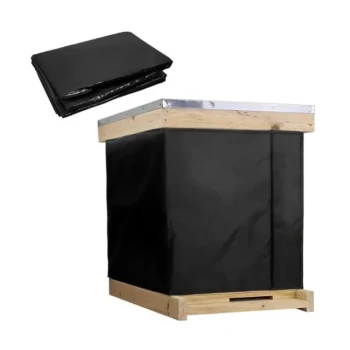
Specialized hive wraps function as a critical external barrier against the harsh conditions of northern winters. By physically blocking cold winds and absorbing solar radiation, these wraps stabilize the hive’s internal micro-climate, significantly reducing the metabolic energy bees must expend to maintain their required core cluster temperature.
By minimizing thermal loss and leveraging solar gain, hive wraps lower the physiological stress on the colony, allowing bees to maintain survivable temperatures with reduced food consumption.
The Mechanics of Thermal Regulation
Reducing Metabolic Expenditure
The primary challenge for a honeybee colony in winter is maintaining a core cluster temperature of approximately 95 degrees Fahrenheit. To achieve this, bees consume stored honey to generate metabolic heat. Specialized wraps act as insulation, retaining this heat so the bees do not have to work as hard or consume as much food to stay warm.
Stabilizing the Micro-Climate
Sudden fluctuations in outdoor temperature can be devastating to a cluster. External insulation dampens these swings, creating a more stable internal environment. This stability is crucial because it prevents the colony from breaking the cluster prematurely or freezing during rapid temperature drops.
Mitigating Wind Chill
Cold winds strip heat away from the hive structure much faster than still air. Wraps serve as a windbreak, sealing the hive against drafts. This prevents cold air penetration that would otherwise disrupt the colony's thermal equilibrium and force a spike in energy consumption.
Critical Protective Functions
Solar Heat Absorption
Many specialized wraps are designed with dark materials to absorb solar energy on sunny days. This "free heat" transfers through the hive walls, temporarily reducing the burden on the bees to generate warmth internally.
Moisture Management
In addition to thermal regulation, high thermal resistance side wraps and insulated top pads play a vital role in moisture control. By keeping the interior walls and top cover warm, insulation prevents warm, moist air generated by the bees from condensing into freezing water droplets that could drip back onto the cluster.
Support for Compromised Colonies
Colonies suffering from infection or mite pressure often have a diminished capacity to thermoregulate. The enhanced physical protection provided by wraps compensates for this biological weakness, reducing the energy expenditure required by weakened worker bees and increasing their probability of surviving until spring.
Understanding the Trade-offs
Wraps vs. Controlled Environments
While wraps improve outdoor survival, they cannot match the total control of specialized overwintering rooms. Indoor facilities offer constant temperature, total darkness, and stable humidity, eliminating wind and weather variables entirely. Wraps are the best solution for outdoor apiaries but remain subject to extreme weather variability compared to indoor climate control.
The Limits of Insulation
Insulation aids survival but does not cure underlying health issues. If a colony is heavily burdened by chemical residues (such as those accumulated in beeswax) or severe infection, wraps may delay collapse but cannot guarantee survival. Physical protection works best when paired with healthy, low-stress colonies.
Making the Right Choice for Your Goal
To maximize winter survival rates in high-latitude regions, apply these principles:
- If your primary focus is energy conservation: Prioritize dark-colored wraps that maximize solar absorption to reduce the rate at which bees consume honey stores.
- If your primary focus is protecting weak colonies: Utilize high-resistance side wraps and top insulation to minimize the metabolic effort required by infected or smaller clusters.
- If your primary focus is moisture control: Ensure your wrapping system includes an insulated top pad to prevent condensation from accumulating directly above the cluster.
The effectiveness of a hive wrap is ultimately measured by its ability to convert a harsh external environment into a manageable internal climate.
Summary Table:
| Feature | Function | Impact on Colony Survival |
|---|---|---|
| Insulated Barrier | Retains metabolic heat & blocks wind | Reduces honey consumption & energy expenditure |
| Dark Materials | Solar heat absorption | Provides "free" thermal energy on sunny days |
| Top Insulation | Prevents internal condensation | Keeps cluster dry and prevents freezing drips |
| Micro-Climate Stability | Dampens temperature swings | Prevents premature cluster breaking and thermal shock |
Maximize Your Colony Survival with HONESTBEE
Ensure your apiary thrives even in the harshest northern winters. At HONESTBEE, we specialize in empowering commercial apiaries and distributors with professional-grade beekeeping equipment. From high-performance hive-making machinery to essential consumables and specialized wintering tools, our comprehensive wholesale offering is designed to reduce your operational stress and increase productivity.
Ready to scale your business and protect your investment? Contact HONESTBEE today to explore our full spectrum of hardware and honey-themed cultural merchandise tailored for industry leaders.
References
- Jamie Ellis, Katherine Hammons. Overwintering Honey Bee Colonies in Northern Climates. DOI: 10.32473/edis-in1006-2013
This article is also based on technical information from HonestBee Knowledge Base .
Related Products
- Professional Insulated Winter Hive Wrap for Beekeeping
- Professional Galvanized Hive Strap with Secure Locking Buckle for Beekeeping
- Professional Grade Foldable Beehive Handles
- Professional 600D Oxford Cloth Beekeeping Tool Bag with 8 Pockets and Elastic Loops
- Professional Large-Format Hive Number Set for Beekeeping
People Also Ask
- What are the steps to properly wrap a beehive for winter? Ensure Your Colony Survives the Cold
- When is the best time to wrap a beehive for winter? A Guide to Perfect Winterization Timing
- How do professional insulation wraps provide protection for bee colonies? Optimize Winter Survival & Energy Efficiency
- What are the technical benefits of using winter wraps for beehive insulation? Boost Colony Survival & Hive Health
- What are the benefits of using insulated covers for hives? Ensure Colony Survival and Health