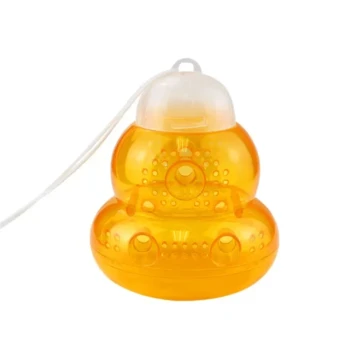
Specialized hornet traps and Varroa mite control tools serve as the primary line of defense for Western honeybee populations, functioning as critical biological control measures. These tools directly reduce the immense pressure exerted by natural enemies, such as the Asian hornet and parasitic mites, thereby significantly lowering the risk of colony collapse and ensuring the continued sustainability of the apiary.
Core Insight:
While these tools are often viewed as simple extermination devices, their deeper value lies in precision management. They allow beekeepers to move from reactive emergency treatments to proactive biological control, protecting colony health while minimizing environmental impact and chemical overuse.
Reducing Pressure from Natural Enemies
The Role of Hornet Traps
Biological control is the primary function of specialized hornet traps. By physically intercepting predators like the Asian hornet, these tools reduce the immediate biological attack pressure on the colony.
This reduction in predation allows the honeybee workforce to forage safely. Without this protection, the stress of constant defense can lead to resource depletion and eventual colony failure.
Precise Chemical Intervention
Varroa mite control relies heavily on specialized hive treatment chemicals. These are formulated to target and eliminate parasites found on the bees' bodies, preventing the onset of Colony Collapse Disorder.
However, the effectiveness of these tools hinges on scientific dosage control. Precise application techniques are required to ensure the chemicals eliminate the mites without harming the bee colony or contaminating the hive environment.
The Critical Role of Diagnostics
Quantifying Infestation Levels
Control tools are ineffective without accurate data. Specialized detection tools, such as mite wash bottles or CO2 injection devices, are used to quantify the mite ratio remaining after treatment.
This feedback loop is essential. It prevents over-medication, which can weaken bees, and prevents untreated losses by alerting the beekeeper if the initial treatment failed to reduce the mite load sufficiently.
Diagnosing Hidden Threats
Surface treatments often miss mites reproducing inside sealed cells. Specialized uncapping tools and tweezers allow beekeepers to perform brood diagnosis.
By removing wax cappings and extracting pupae, beekeepers can evaluate the reproductive potential of the mites. This identifies hidden infections that external chemical treatments might miss, allowing for more targeted intervention.
Enhancing Genetic Resilience
Utilizing Swarm Traps
Protection extends beyond the existing colony to the genetic future of the population. Swarm traps are vital for capturing wild honeybee populations that have survived natural selection pressures.
These swarms often carry superior resistance genetics. By capturing and relocating them, breeders can integrate high-adaptation traits into their managed apiaries, fostering a population that is naturally more resistant to Varroa mites.
Safe Transport and Restocking
When colonies are lost, specialized queen cages and package bee equipment ensure that replacement populations can be distributed safely.
By maintaining controlled temperature and ventilation, this equipment ensures high survival rates during transit. This logistics capability is crucial for maintaining the global density of managed honeybee populations despite local losses.
Understanding the Trade-offs
The Risk of Chemical Dependency
While chemical treatments are effective, reliance on them requires caution. Mismanagement or lack of rotation can lead to mite resistance, rendering standard tools ineffective over time.
The Cost of Precision
Implementing a full suite of diagnostic tools (brood inspection, CO2 washing) requires significant labor and skill.
Beekeepers must balance the time investment of precise monitoring against the operational efficiency of the apiary. Skipping these steps, however, often leads to the silent spread of infestation and sudden colony loss.
Making the Right Choice for Your Goal
To effectively protect Western honeybee populations, select the tools that align with your specific management objectives:
- If your primary focus is immediate colony survival: Prioritize chemical treatment tools and hornet traps to immediately reduce biological pressure and prevent collapse.
- If your primary focus is long-term sustainability: Invest heavily in diagnostic tools (wash bottles, uncapping tools) to ensure treatments are data-driven and to avoid over-medication.
- If your primary focus is population genetics: Utilize swarm traps to capture wild, adapted survivors and integrate their resistant traits into your breeding program.
Successful apiculture is no longer just about keeping bees; it is about managing the precise balance between biological threats and technological intervention.
Summary Table:
| Tool Category | Primary Function | Impact on Bee Population |
|---|---|---|
| Hornet Traps | Physical Interception | Reduces predation stress & allows safe foraging. |
| Chemical Control | Parasite Eradication | Prevents colony collapse from Varroa infestations. |
| Diagnostic Tools | Population Monitoring | Enables data-driven treatment & prevents over-medication. |
| Swarm Traps | Genetic Management | Captures resistant wild genetics for breeding. |
| Transport Gear | Population Recovery | Ensures safe logistics for restocking and queen health. |
Elevate Your Apiary Defense with HONESTBEE
Protecting bee populations requires more than just tools—it requires precision and reliability. HONESTBEE empowers commercial apiaries and distributors with a comprehensive wholesale range of professional beekeeping solutions. From high-efficiency hornet traps and Varroa diagnostic equipment to advanced honey-filling machines and hive hardware, we provide everything needed to sustain a productive operation.
Partner with HONESTBEE to access:
- High-performance machinery for large-scale apiary management.
- Durable consumables designed for honeybee health and protection.
- A reliable supply chain for all your beekeeping and honey-themed cultural merchandise.
Ready to scale your business and secure your colonies? Contact us today to explore our wholesale catalog!
References
- Genevieve M. Nouyrigat, Elena Barbu. Managing Apis Mellifera Bees’ Mortality to Protect the Environmental Sustainability: Perceptions, Practices and Solutions of Beekeepers. DOI: 10.18280/ijsdp.180201
This article is also based on technical information from HonestBee Knowledge Base .
Related Products
- Durable 12V Oxalic Acid Vaporizer for Varroa Mite Treatment Beehive Beekeeping Tool
- Varroa Easy Check Mite Tester Kit Counter Alcohol Wash Jar
- Compact Circular Bee Mite Treatment Dispenser
- Heavy Duty 12V Oxalic Acid Evaporator Vaporizer for Bee Varroa Mite Treatment Beekeeping Fumigator Atomizer
- Oxalic Acid Vaporizer 12V for Bee Varroa Mite Treatment
People Also Ask
- What are the technical advantages of using professional Sublimators? Maximize Mite Control with Precision Vaporizers
- What is the minimum temperature for oxalic acid vaporization? Optimize Winter Mite Control at 37°F
- What is the recommended procedure for inserting and activating a vaporizer in a beehive? Master Hive Treatment Success
- What factors determine how often to treat for varroa mites with oxalic acid? Time Your Treatment for Maximum Efficacy
- What is the overall goal of using oxalic acid in late fall for beekeepers? Maximize Winter Survival with a Broodless Treatment