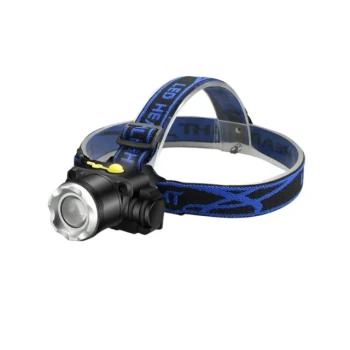
Standardized apiary inspection tools and recording equipment constitute the foundation of scientific validity in honey bee health surveys. By enabling technicians to systematically evaluate clinical indicators—such as queen status, brood patterns, and symptoms of diseases like Foulbrood—these tools ensure that judgment criteria remain consistent across thousands of apiaries and varying timeframes. This uniformity provides the reliable phenotypic data required to draw accurate statistical correlations between environmental factors, such as pesticide exposure, and population morbidity.
Scientific rigor relies on reproducibility; standardized recording equipment ensures that a health assessment made in one apiary is mathematically comparable to one made hundreds of miles away, enabling the precise tracking of disease incidence.
The Mechanics of Data Consistency
Systematizing Clinical Evaluation
To generate valid scientific data, field observations must move beyond subjective opinion. Standardized tools allow technicians to apply the same judgment criteria to every colony they visit.
This systematic approach focuses on key health indicators, specifically queen status, brood patterns, and specific disease symptoms like those of Foulbrood. By using identical recording protocols, technicians eliminate the variability that often occurs when different people assess "health" based on intuition.
Enabling Large-Scale Statistical Analysis
The primary goal of these surveys is often to find correlations between colony health and external factors, such as pesticide exposure.
To correlate morbidity (illness) with exposure data, the health data must be robust. Standardized recording ensures that datasets from thousands of apiaries can be merged and analyzed together without the "noise" of inconsistent data collection.
Controlling Environmental Variables
The Role of Standardized Hardware
While inspection tools standardize the observation, standardized hive hardware standardizes the environment. Standardized Langstroth boxes serve as the core hardware for this purpose.
These boxes provide a unified growth space and management baseline. When the physical structure of the hive is identical across the survey, researchers can rule out hive volume or configuration as a variable affecting colony health.
Ensuring Baseline Comparability
Scientific validity requires comparing "apples to apples." By utilizing single or double-story standard hive bodies, researchers can precisely control initial colony sizes.
This control ensures high comparability between different groups. It allows for a more accurate evaluation of pathogen dynamics and overwintering success rates, as differences in outcomes can be attributed to the disease or environmental factor rather than the colony's starting size.
Understanding the Limitations
The Trade-off of Rigidity
While standardization ensures comparability, it can create blind spots regarding novel symptoms.
Strict recording protocols force technicians to look for specific, pre-defined indicators. This means that subtle, unlisted anomalies or emerging pathologies that do not fit the standardized checklist might be overlooked or recorded generically.
Hardware Uniformity vs. Regional Needs
Standardized Langstroth boxes provide a unified baseline for data, but they may not reflect local management practices ideally suited for specific climates.
Researchers must accept that while the data is scientifically valid for comparison, the standardized setup might not represent the optimal management style for every specific geographic region included in a broad survey.
Ensuring Survey Integrity
To ensure your disease incidence survey yields actionable, scientifically valid results, you must align your equipment choices with your analytical goals.
- If your primary focus is statistical correlation (e.g., Pesticides vs. Disease): Prioritize rigorous adherence to standardized recording protocols to ensure phenotypic data is consistent across all data points.
- If your primary focus is comparative biology (e.g., Pathogen Dynamics): Ensure all subjects utilize identical Langstroth configurations to control for colony size and growth space variables.
True scientific validity in the apiary is achieved when you control the variables you can, and rigorously measure the ones you cannot.
Summary Table:
| Key Component | Scientific Role | Impact on Validity |
|---|---|---|
| Standardized Tools | Systematizes clinical indicators (brood, queen status) | Eliminates subjective bias and observation noise |
| Recording Equipment | Uniform data protocols across thousands of apiaries | Enables large-scale statistical analysis and correlation |
| Langstroth Boxes | Standardized hive volume and growth space | Controls environmental variables to isolate health factors |
| Unified Protocols | Consistent judgment criteria for pathogens | Facilitates accurate longitudinal tracking of morbidity |
Maximize the Scientific Rigor of Your Apiary Operations with HONESTBEE
At HONESTBEE, we understand that for commercial apiaries and distributors, equipment consistency is the backbone of operational success and scientific data integrity. Whether you are conducting large-scale health surveys or managing commercial honey production, we provide the precision-engineered tools required to eliminate variables and ensure reliability.
Our Value to Your Business:
- Comprehensive Wholesale Range: From standardized Langstroth hive-making machinery to specialized honey-filling equipment.
- Industry-Standard Consumables: A full spectrum of beekeeping tools designed for rigorous field use.
- Tailored for Scale: We cater specifically to large-scale distributors and commercial keepers who demand uniformity and durability.
Ready to upgrade your equipment standard? Contact us today to discuss your wholesale requirements and see how HONESTBEE can streamline your beekeeping infrastructure.
References
- Kirsten S. Traynor, Dennis vanEngelsdorp. Pesticides in honey bee colonies: Establishing a baseline for real world exposure over seven years in the USA. DOI: 10.1016/j.envpol.2021.116566
This article is also based on technical information from HonestBee Knowledge Base .
Related Products
- Professional Grade Foldable Beehive Handles
- Professional Stainless Steel Pry-Bar Hive Tool
- Professional 600D Oxford Cloth Beekeeping Tool Bag with 8 Pockets and Elastic Loops
- HONESTBEE 15-in-1 Beekeeper Multi-Tool with Hammer and Pliers for Beekeeping
- HONESTBEE Professional Long Handled Hive Tool with Precision Cutting Blade
People Also Ask
- How do bee hive handles facilitate the evaluation of food stores? Use the Lift Test for Winter Survival
- How do the geometry and dimensions of hive handles influence operational safety and control? Expert Design Insights
- What is a bee hive tool? Discover Why It’s the Most Essential Hand Tool for Every Beekeeper
- What are the common sizes and features of bee hive tools? Choose the Right Tools for Your Apiary
- What is the role of professional hive tools in routine apiary maintenance? Expert Tips for Hive Health and Longevity