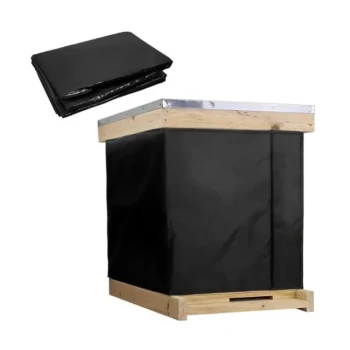
Winter wraps function as a high-efficiency thermal barrier designed to protect honeybee colonies during cold seasons. By acting as a shield against external elements, these covers significantly reduce internal heat loss and block freezing winds. This physical protection directly lowers the energy expenditure required for bees to maintain life-sustaining cluster temperatures.
The core value of a winter wrap is energy conservation; by stabilizing the hive's thermal environment, it reduces the metabolic stress on the colony, ensuring bees survive winter with the vitality required for rapid spring growth.
The Mechanics of Thermal Protection
Creating an Insulation Barrier
Winter wraps provide a layer of insulation that slows the transfer of heat from the inside of the hive to the cold outside air. This retention of warmth is critical, as it reduces the effort the colony must exert to generate heat.
Mitigating Wind Chill
Beyond simple temperature retention, these wraps serve as a physical blockade against cold external winds. By stopping wind from stripping heat away from the hive walls, the wrap stabilizes the internal environment.
Energy Conservation and Colony Health
Lowering Metabolic Costs
Honeybees generate heat by consuming their food stores. By minimizing heat loss, winter wraps significantly lower the amount of energy reserves the bees must consume.
Preserving Food Stores
Because the bees burn fewer calories to stay warm, their winter food supplies last longer. This reduces the risk of starvation, which acts in tandem with standardized winter feeding protocols to ensure sufficient energy availability.
Supporting Cluster Regulation
Bees must maintain specific temperatures within the hive, often requiring a range of 34–36°C for optimal health. Wraps make it mechanically easier for the colony to regulate this cluster temperature without exhaustion.
Long-Term Impact on Colony Success
Improving Overwintering Survival
The primary metric for winter success is survival. By reducing thermal stress and preserving energy, winter wraps directly improve the survival rate of the colony through the harsh non-foraging months.
Enhancing Spring Vitality
Survival is not the only goal; the condition of the bees upon exiting winter matters. Colonies that expend less energy fighting the cold retain greater vitality for brood rearing, ensuring a stronger, faster recovery in the spring.
Critical Considerations for Effective Use
Insulation Requires Fuel
While wraps conserve heat, the heat source is the bee's metabolism. Therefore, wraps must be paired with precise winter feeding (such as sugar solutions) to ensure the colony has the fuel required to generate that warmth.
The Need for Verification
A wrap does not guarantee internal stability on its own. The use of environmental sensors is recommended to monitor whether the colony is successfully maintaining the critical 34–36°C window.
Monitoring for Disease
High-stress winter environments can make colonies susceptible to infections. Monitoring data helps determine if physical insulation is sufficient or if the colony is struggling to regulate heat due to health issues.
Making the Right Choice for Your Goal
To maximize the effectiveness of winter management, align your use of wraps with your specific objectives:
- If your primary focus is Colony Survival: Prioritize high-quality wraps to minimize caloric burn, ensuring food stores last through the season.
- If your primary focus is Spring Production: Use wraps to preserve colony vitality, allowing for aggressive brood rearing immediately when the season turns.
By reducing the physiological burden on the bee, winter wraps transform a struggle for survival into a strategic wait for spring.
Summary Table:
| Key Benefit | Impact on Colony Management | Expected Outcome |
|---|---|---|
| Thermal Insulation | Reduces internal heat loss | Sustained hive temperatures with less effort |
| Wind Blockage | Minimizes wind-chill effect | Stable internal climate during storms |
| Energy Conservation | Lowers honey consumption | Extended food stores and reduced starvation risk |
| Spring Vitality | Preserves worker bee health | Rapid brood rearing and faster spring recovery |
Maximize Your Overwintering Success with HONESTBEE
At HONESTBEE, we understand that for commercial apiaries and distributors, colony survival is the foundation of profitability. Our comprehensive wholesale offering provides high-efficiency winter management solutions tailored to the needs of professional beekeepers. From advanced thermal wraps and specialized insulation hardware to essential honey-filling machinery and industry consumables, we supply everything you need to transition from winter survival to spring production.
Ready to scale your apiary operations? Contact us today to discuss how our full spectrum of beekeeping tools and machinery can enhance your business efficiency and protect your colonies.
References
- Maggie Shanahan, Marla Spivak. Thinking inside the box: Restoring the propolis envelope facilitates honey bee social immunity. DOI: 10.1371/journal.pone.0291744
This article is also based on technical information from HonestBee Knowledge Base .
Related Products
- Professional Insulated Winter Hive Wrap for Beekeeping
- Professional Square Folding Wire Mesh Beekeeping Veil
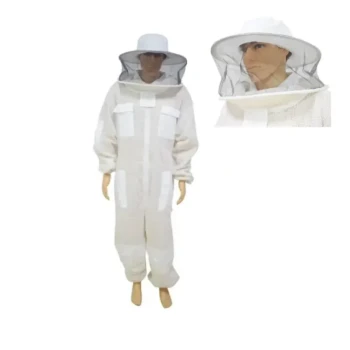
- Premium Cotton Beekeeper Suit with Reinforced Fencing Veil
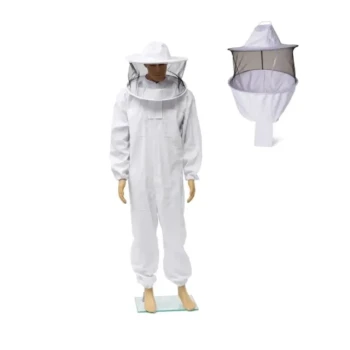
- Professional Beekeeper Suit with Square Folding Cotton Veil
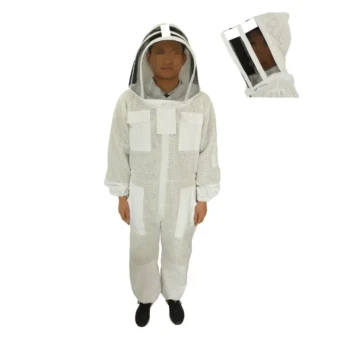
- Three-Layer Ventilated Beekeeper Suit with Structured Fencing Veil
People Also Ask
- What are the steps to properly wrap a beehive for winter? Ensure Your Colony Survives the Cold
- When is the best time to wrap a beehive for winter? A Guide to Perfect Winterization Timing
- How do professional insulation wraps provide protection for bee colonies? Optimize Winter Survival & Energy Efficiency
- What are the technical benefits of using winter wraps for beehive insulation? Boost Colony Survival & Hive Health
- What are the benefits of using insulated covers for hives? Ensure Colony Survival and Health