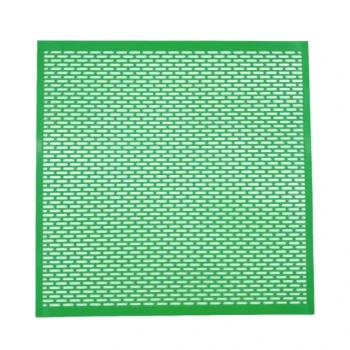
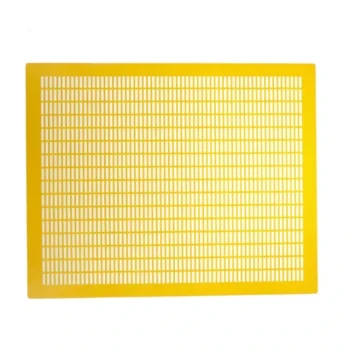
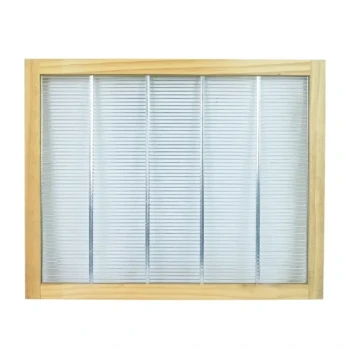
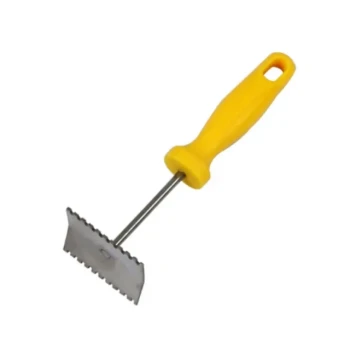
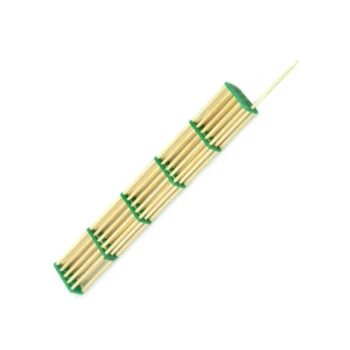
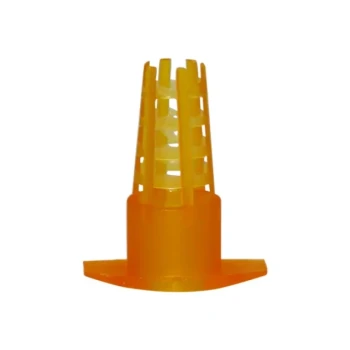
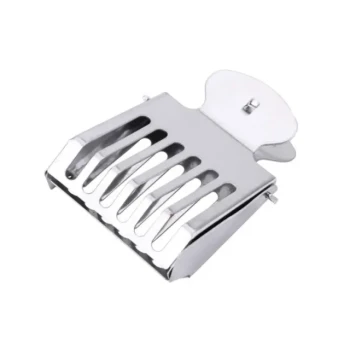
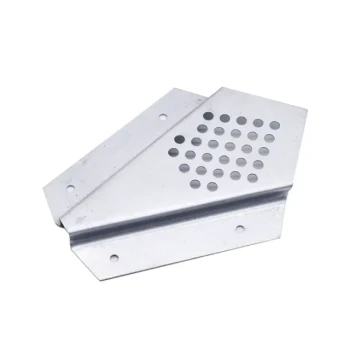
A queen excluder serves as a critical diagnostic control by physically dividing the beehive into two distinct functional zones: the brood chamber and the honey super. This separation prevents the queen from laying eggs in the honey stores, allowing researchers and beekeepers to collect isolated samples of adult bees from each specific area. By analyzing these samples independently, you can accurately map how American Foulbrood (AFB) spores are distributed across different sectors of the colony.
By segregating the brood nest from honey stores, the queen excluder enables precise, comparative sampling of spore loads in different hive sectors. This data is essential for establishing efficient disease monitoring protocols and assessing the degree of infection.
The Mechanics of Zoning
Creating Distinct Biological Areas
The primary function of the queen excluder is to act as a physical barrier. It confines the queen—and consequently all brood-rearing activity—to the lower chambers.
Simultaneously, it establishes a "honey-only" zone in the upper supers. This creates a structured environment where biological functions are spatially separated.
Targeted Sample Collection
Because the hive is divided, you can collect adult bee samples that are representative of specific hive activities.
You can harvest bees directly from the brood area, which is highly active with nurse bees and larval care. Conversely, you can collect samples from the honey super to analyze bees primarily engaged in food storage.
Implications for Disease Monitoring
Comparative Spore Analysis
The core benefit of this separation is the ability to compare spore loads between zones.
By measuring the concentration of AFB spores in the brood chamber versus the honey super, you can determine if the infection is localized or systemic.
Refining Sampling Strategies
Data derived from these separated zones helps establish more efficient sampling protocols.
If spore loads are consistently higher in one zone, future monitoring efforts can focus on that specific area to improve detection rates and save resources.
Understanding the Trade-offs
Hardware Dependency
The accuracy of your data relies entirely on the integrity of the equipment. If the excluder is damaged or installed incorrectly, the queen may breach the barrier, contaminating the "honey-only" zone with brood and invalidating the spatial data.
Sampling Complexity
Implementing this method adds a layer of complexity to hive management. It requires additional equipment manipulation and more time-intensive collection processes compared to taking a single, bulk sample from the hive entrance.
Making the Right Choice for Your Goal
To utilize a queen excluder effectively for AFB monitoring, consider your specific objectives:
- If your primary focus is Routine Monitoring: Prioritize sampling from the zone identified as having the highest probability of spore accumulation to ensure early detection.
- If your primary focus is Infection Assessment: Collect and compare samples from both the brood chamber and honey super to gauge the severity and spread of the disease.
Utilizing a queen excluder transforms the hive from a single unit into a segmented environment, providing the granular data needed for precise disease management.
Summary Table:
| Feature | Brood Chamber Zone | Honey Super Zone |
|---|---|---|
| Primary Activity | Larval care, egg-laying, nursing | Nectar storage, honey ripening |
| Bee Population | High concentration of nurse bees | High concentration of foragers/house bees |
| AFB Analysis | Direct assessment of brood-rearing risk | Monitoring systemic spread in food stores |
| Sampling Goal | Localized infection detection | Assessing commercial honey safety/systemic load |
Maximize Your Colony Health with HONESTBEE Professional Equipment
Precise disease monitoring requires reliable hardware. HONESTBEE supports commercial apiaries and distributors with high-quality, durable queen excluders and a full spectrum of beekeeping machinery.
Whether you are scaling up your honey production or managing large-scale disease protocols, our comprehensive wholesale offering includes everything from hive-making and honey-filling machines to essential consumables.
Ready to upgrade your apiary management? Contact us today to discover how our specialized beekeeping tools can enhance your efficiency and protect your bees.
References
- Anders Lindström, Ingemar Fries. Sampling of adult bees for detection of American foulbrood (<i>Paenibacillus larvae</i>subsp.<i>larvae</i>) spores in honey bee (<i>Apis mellifera</i>) colonies. DOI: 10.1080/00218839.2005.11101154
This article is also based on technical information from HonestBee Knowledge Base .
Related Products
- High Performance Plastic Queen Excluder for Beekeeping and Apiary Management
- Professional Plastic Queen Excluder for Modern Beekeeping
- Lightweight Durable Plastic Queen Excluder Scraper for Beekeeping
- Metal Queen Bee Excluder for Beekeeping
- Premium Wood Framed Metal Wire Queen Bee Excluder
People Also Ask
- What are the characteristics of a plastic queen excluder? Key Benefits for Cost-Effective Beekeeping
- What are the operational and cost advantages of using plastic queen excluders over metal or wire excluders in commercial hive management? Discover how they reduce labor, prevent wing damage, and lower total costs.
- What types of queen excluders are available for beekeepers? Choose the Right Tool for Your Hive
- Why are standardized hive frames and queen excluders essential for maintaining honey purity and quality? Scale Your Purity
- Do plastic queen excluders work? A Cost-Effective Solution for Modern Apiaries