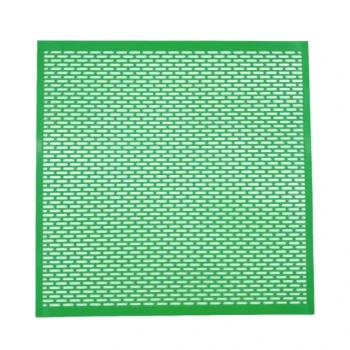
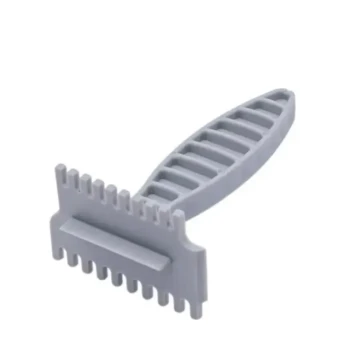
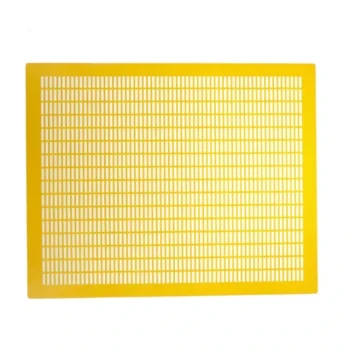
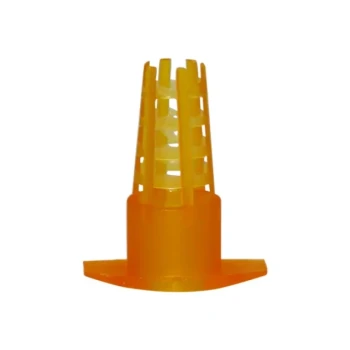
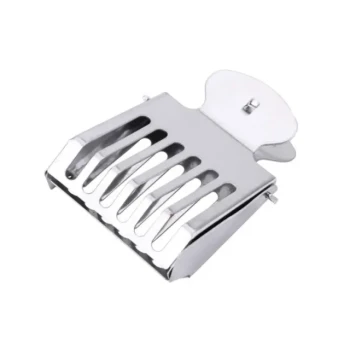
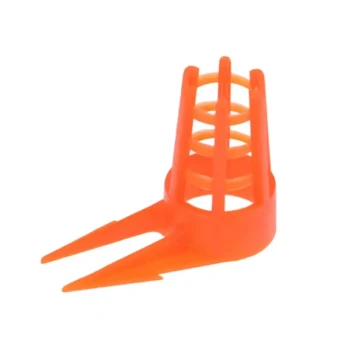
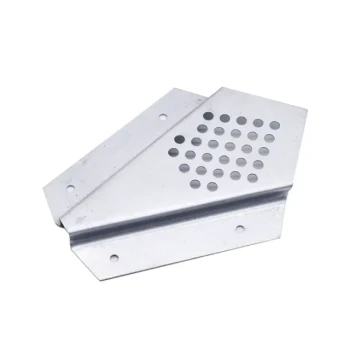
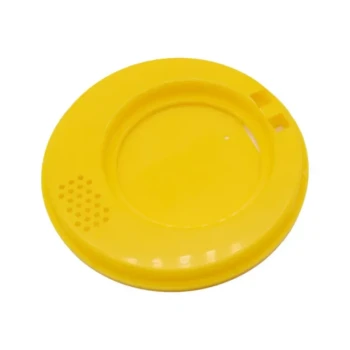
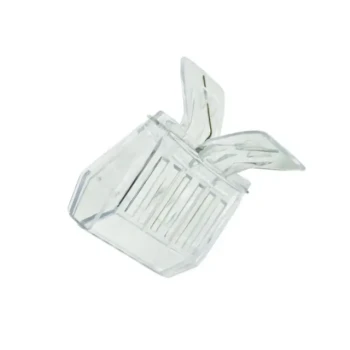
A queen excluder functions as a precise biological filter located at the hive exit. By utilizing a specifically sized aperture, the device permits smaller worker bees to leave the colony for essential foraging tasks while physically blocking the passage of larger virgin queens. This mechanical separation ensures that the queens remain trapped inside the hive until the experiment concludes, allowing researchers to perform a complete and accurate count of the colony's reproductive generation.
The queen excluder transforms a bumblebee colony into a closed system for reproductive data. By preventing the dispersal of virgin queens, it enables a definitive census that directly links the colony's biological success to the quality of its surrounding landscape.
The Mechanics of Exclusion
Precision-Designed Apertures
The core mechanism of the excluder is a physical barrier featuring holes of a specific diameter. These apertures are large enough to allow the unimpeded flow of worker traffic but too narrow for the larger thorax of a virgin queen to pass through.
Placement and Traffic Flow
Unlike excluders used in honey production (which separate brood from honey stores), this device is installed directly at the hive exit. This strategic placement filters traffic at the point of departure, ensuring that while resource gathering continues, the reproductive assets—the queens—cannot disperse into the environment.
Measuring Reproductive Success
Preventing Data Loss
In a natural setting, new queens leave the colony to mate and hibernate. For a researcher, a flown queen is a lost data point. The excluder eliminates this variable, ensuring that the total reproductive effort of the colony is contained within the box for analysis.
The End-of-Experiment Census
Because the queens are retained within the hive, researchers can conduct a complete census at the conclusion of the study. This provides an absolute count of reproductive individuals rather than an estimation, resulting in higher data confidence.
Correlating Landscape to Fitness
The ultimate goal of this setup is to measure biological fitness. By securing an accurate count of new queens, researchers can quantify exactly how the specific landscape environment (such as floral abundance or habitat type) contributes to the colony's ability to reproduce.
Understanding the Trade-offs
Impact on Natural Dispersal
The primary trade-off of this method is the restriction of natural behavior. By design, the excluder prevents virgin queens from performing their biological imperative: dispersing to mate and establish future lineages.
Terminal Data Collection
Using a hive exit excluder for reproductive counts often implies a terminal endpoint for the colony's data. The census is typically conducted at the very end of the experiment, meaning the measurement is retrospective and reflects the cumulative success of the colony over the entire season.
Optimizing Research Data Collection
When designing a study to assess bumblebee colony health, the application of a queen excluder depends on your specific metric of success.
- If your primary focus is Reproductive Accuracy: Install the excluder at the start of queen production to ensure zero loss of reproductive individuals during the census.
- If your primary focus is Environmental Impact: Use the total count of retained queens to create a direct correlation between the landscape quality and the colony's reproductive output.
By effectively locking the "output" of the colony inside the hive, the queen excluder converts complex biological activity into quantifiable, hard data.
Summary Table:
| Feature | Function in Research | Impact on Data Accuracy |
|---|---|---|
| Sized Apertures | Permits worker foraging while blocking larger virgin queens | Eliminates data loss from queen dispersal |
| Exit Placement | Filters traffic at the point of colony departure | Ensures a closed system for reproductive output |
| Terminal Census | Allows for a complete count of all queens produced | Replaces estimation with absolute biological fitness counts |
| Landscape Correlation | Links colony success to surrounding floral abundance | Provides quantifiable metrics for environmental impact |
Elevate Your Beekeeping Operations with HONESTBEE
At HONESTBEE, we specialize in empowering commercial apiaries and distributors with the high-precision tools necessary for both professional research and large-scale honey production. Whether you are conducting detailed biological fitness studies or managing expansive commercial hives, our comprehensive wholesale portfolio has you covered.
Why partner with HONESTBEE?
- Full-Spectrum Supply: From specialized queen excluders and hive-making machinery to advanced honey-filling equipment.
- Industry Expertise: We provide essential consumables and honey-themed cultural merchandise designed for the global market.
- Commercial Scalability: Tailored wholesale solutions to meet the demands of distributors and large-scale beekeeping enterprises.
Ready to enhance your productivity with industry-leading beekeeping hardware? Contact our expert team today to discuss your wholesale needs!
References
- Gabriela M. Quinlan, Rufus Isaacs. Honey bee (Apis mellifera) colonies benefit from grassland/ pasture while bumble bee (Bombus impatiens) colonies in the same landscapes benefit from non-corn/soybean cropland. DOI: 10.1371/journal.pone.0257701
This article is also based on technical information from HonestBee Knowledge Base .
Related Products
- High Performance Plastic Queen Excluder for Beekeeping and Apiary Management
- Lightweight Durable Plastic Queen Excluder Scraper for Beekeeping
- Premium Wood Framed Metal Wire Queen Bee Excluder
- Professional Plastic Queen Excluder for Modern Beekeeping
- Metal Queen Bee Excluder for Beekeeping
People Also Ask
- What are the characteristics of a plastic queen excluder? Key Benefits for Cost-Effective Beekeeping
- What are the operational and cost advantages of using plastic queen excluders over metal or wire excluders in commercial hive management? Discover how they reduce labor, prevent wing damage, and lower total costs.
- What types of queen excluders are available for beekeepers? Choose the Right Tool for Your Hive
- Why are standardized hive frames and queen excluders essential for maintaining honey purity and quality? Scale Your Purity
- Do plastic queen excluders work? A Cost-Effective Solution for Modern Apiaries