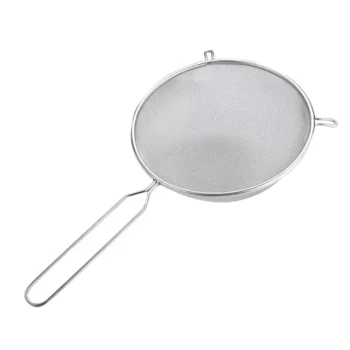
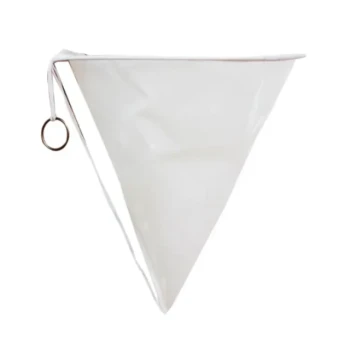
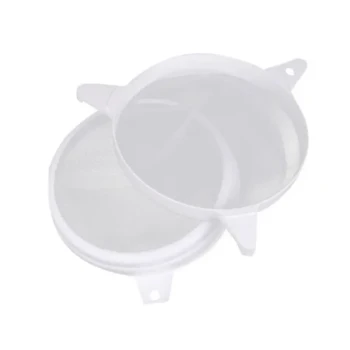
Honey filtration and impurity removal equipment directly elevates sensory quality by establishing product transparency and eliminating physical contaminants. By mechanically removing wax particles, larval remains, and air bubbles, this machinery transforms raw harvest into a visually appealing, commercially viable product. This process is the primary driver for meeting consumer expectations of purity and securing premium market valuations.
While the immediate function of filtration is the physical removal of debris, its strategic value lies in standardizing visual clarity and hygiene. This consistency is the critical factor that allows producers to command higher prices and establish trust in premium or geographic indication brands.
Optimizing Sensory Attributes for the Consumer
Achieving Crystal Clarity
The primary sensory impact of filtration equipment is the significant improvement of transparency. Raw honey often contains suspended solids that create cloudiness; precision filters remove these fine particles and pollen grains to produce the clear, luminous appearance that mainstream consumers associate with quality.
Eliminating Visual Defects
Equipment such as centrifuges and strainers effectively removes macro-impurities like wax cappings, bee parts, and larval remains. These elements are natural byproducts of the harvest but are perceived as "defects" by consumers. Their removal is essential for creating a uniform, appetizing product.
Improving Texture and Consistency
Beyond visual appeal, filtration impacts the mouthfeel of the honey. By removing plant debris and ensuring a uniform texture, the equipment prevents the gritty experience associated with unprocessed honey. Automated systems also remove air bubbles, which refines the color and prevents foaming.
Driving Market Value and Commercial Viability
Justifying Premium Pricing
There is a direct correlation between the sophistication of the filtration process and the retail price of the honey. High-quality filtration supports the branding of specialized honey products by ensuring a pristine appearance. This visual perfection increases consumer willingness to pay, particularly for gift-grade or geographic indication brands.
Extending Shelf Life through Hygiene
Professional processing machinery significantly improves hygiene levels compared to traditional manual squeezing methods. By reducing human contact and effectively removing foreign organic matter that could spoil, the equipment extends the product's shelf life. This stability is a prerequisite for successful distribution in large-scale commercial markets.
Meeting International Standards
For producers aiming for export, filtration equipment is not optional; it is a compliance tool. Advanced systems ensure the product meets international grading standards regarding clarity and foreign matter. Furthermore, modern filling equipment often integrates with traceability labeling, further enhancing buyer trust and market access.
Understanding the Trade-offs: Clarity vs. Integrity
The Balance of Bioactivity
While filtration boosts visual appeal, there is a delicate balance to maintain regarding nutritional integrity. High-precision equipment must be calibrated to remove unwanted debris without stripping away essential bioactive components or natural enzymes.
Avoiding "Over-Processing"
Aggressive industrial filtration can sometimes remove too much pollen, which serves as a marker of botanical origin. The goal of high-quality equipment is selective separation: removing physical impurities while verifying the honey retains the biochemical markers (like proline) that prove it was fully ripened by bees.
Making the Right Choice for Your Goal
To maximize the value of your honey, you must match your processing depth to your target market.
- If your primary focus is Mass Market or Export Distribution: Prioritize high-efficiency filtration and bubble removal to ensure maximum transparency, shelf stability, and compliance with international visual standards.
- If your primary focus is Artisan or "Raw" Branding: Utilize precision filtration that removes macro-impurities (wax/larvae) but preserves pollen and active enzymes to justify a premium based on nutritional integrity.
True market value is achieved when processing equipment creates a visually flawless product that still retains its authentic character.
Summary Table:
| Feature | Impact on Sensory Quality | Impact on Market Value |
|---|---|---|
| Impurity Removal | Eliminates wax, larvae, and debris for a defect-free appearance. | Ensures hygiene compliance and builds consumer trust. |
| Precision Filtration | Achieves crystal clarity and a luminous, appetizing color. | Justifies premium pricing and gift-grade branding. |
| Texture Refinement | Removes air bubbles and grit for a smooth mouthfeel. | Increases shelf life and reduces spoilage risks. |
| Selective Separation | Balances visual purity while retaining bioactive enzymes. | Meets international grading and export traceability standards. |
Maximize Your Honey's Commercial Potential with HONESTBEE
At HONESTBEE, we understand that the right processing equipment is the bridge between a raw harvest and a premium market leader. We provide commercial apiaries and distributors with high-performance honey-filling machines, advanced filtration hardware, and comprehensive beekeeping tools designed to elevate your product's value.
Whether you are scaling for international export or building an artisan brand, our machinery ensures your honey meets the highest standards of clarity and hygiene without compromising its natural integrity. Contact us today to explore our wholesale equipment solutions and see how we can help you dominate the honey market.
References
- Jelena Ivanović, Marija Dokmanovic-Starcevic. Research of produstion volume and market turnover of honey from 2004. to 2014.. DOI: 10.2298/vetgl1506467i
This article is also based on technical information from HonestBee Knowledge Base .
Related Products
- Electric Double Wall Honey Filtering Machine Purifier Equipment for Honey Processing Plant
- Professional Stainless Steel Honey Filtering Machine with Water Bath Heating for Beekeeping
- Honey Concentrating and Filtering Dehumidifier Machine 2T Capacity for Honey
- Professional Stainless Steel Honey Filter with Support Handle
- 0.5T Capacity Honey Dehumidifier Dryer with Vacuum Heating and Thickening Filtering Machine
People Also Ask
- What is the process of filtering honey? A Guide to Clean, Pure, and Market-Ready Honey
- What types of equipment are used in honey filtering? Build an Efficient System for Pure, Marketable Honey
- What is the overall importance of using the right equipment in honey filtering? Boost Quality & Marketability
- What are the benefits of drying honey filtering equipment after use? Protect Your Honey Quality & Equipment Investment
- Why is filtering important in honey processing, and what equipment is used? A Guide to Quality & Efficiency