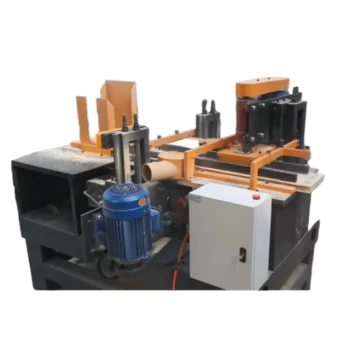
Specialized beehive manufacturing machinery extends equipment lifespan by ensuring precise structural dimensions and superior sealing performance. By achieving exact tolerances that manual assembly often misses, these machines produce hives capable of withstanding diverse climates with a service life exceeding 20 years.
Precision manufacturing transforms beehives from disposable consumables into long-term infrastructure assets. By minimizing material waste through durability and optimizing the internal colony environment, this technology secures both economic sustainability for the beekeeper and biological resilience for the bees.
The Mechanics of Material Longevity
Precision Engineering and Sealing
The primary contribution of this machinery is the elimination of structural variances. Machines cut and shape components with industrial precision, ensuring that joints lock tightly and seals remain airtight.
This exactness prevents gaps where moisture can intrude, which is the leading cause of wood rot and warping. A tighter seal also maintains the structural integrity of the hive against physical stress over decades of use.
Reducing Depreciation and Waste
High-quality hives produced by these machines offer a service life of over 20 years. This longevity drastically reduces the frequency of replacing wood and hardware components.
By slowing the depreciation rate of equipment, apiaries lower their long-term operational costs. This also results in a smaller environmental footprint, as significantly less lumber is required to maintain the same number of active colonies over time.
Enhancing Biological Sustainability
Stabilizing the Internal Micro-climate
Sustainability extends beyond the wood; it encompasses the health of the colony itself. Precision-made components fit tightly together, providing superior insulation and ventilation control.
This structural consistency creates a stable internal micro-climate. It reduces the energy honeybees must expend on regulating nest temperature, allowing the colony to redirect that energy toward pollen collection and honey production.
Resistance to Environmental Stressors
Standardized, machine-built hives offer better protection against external risks, such as extreme weather events. The robust construction enhances the natural resilience of the bees.
Furthermore, the precise dimensions facilitate modern health interventions, such as physical heat treatments and accurate Varroa mite monitoring. This hardware-level support is essential for maintaining healthy, sustainable populations in an era of ecological decline.
Operational Consistency and Scalability
The Power of Standardization
Specialized machinery enables the mass production of universally interchangeable parts. Frames, bodies, and covers produced today will fit perfectly with components manufactured years from now.
This standardization is critical for sustainability because it allows beekeepers to replace single broken parts rather than discarding entire hive assemblies. It also facilitates scientific management practices that rely on uniform equipment specifications.
Facilitating Mechanized Management
Uniform specifications derived from automated manufacturing allow for the mechanized handling of hives. This reduces manual labor strain and supports the rapid expansion of infrastructure.
By enabling local mass production, this machinery also reduces reliance on expensive imports. This secures the supply chain and lowers the carbon footprint associated with transporting heavy beekeeping equipment.
Understanding the Trade-offs
Initial Capital Intensity
While the long-term unit cost is lower, the upfront investment for industrial-grade manufacturing machinery is significant. This approach is optimized for large-scale production rather than small, artisanal crafting.
Standardization vs. Customization
The efficiency of these machines relies on strict adherence to standard models, such as the Langstroth hive. This rigidity can make it difficult to adapt quickly to non-standard experimental hive designs without retooling the production line.
Making the Right Choice for Your Goal
- If your primary focus is Long-Term Asset Management: Prioritize machine-manufactured hives to capitalize on the 20+ year lifespan and reduced depreciation costs.
- If your primary focus is Colony Health: Leverage the superior sealing and insulation of precision hives to minimize bee stress and improve overwintering survival rates.
- If your primary focus is Operational Expansion: Utilize the standardized dimensions of machine-made equipment to ensure interchangeability and facilitate mechanized handling as you scale.
Invest in precision manufacturing to shift your apiary's foundation from constant repair to sustainable growth.
Summary Table:
| Feature | Impact on Lifespan & Sustainability |
|---|---|
| Precision Engineering | Prevents moisture intrusion and wood rot with airtight seals. |
| Component Standardization | Enables interchangeability and part replacement over full hive disposal. |
| Material Longevity | Extends service life to 20+ years, reducing equipment depreciation. |
| Micro-climate Stability | Improves bee resilience and honey production through better insulation. |
| Supply Chain Security | Reduces carbon footprint by enabling local, large-scale production. |
Scaling Your Beekeeping Business with HONESTBEE
Transition from disposable equipment to long-term infrastructure assets. HONESTBEE empowers commercial apiaries and distributors with the specialized machinery and tools needed to manufacture high-precision, sustainable beehives at scale.
Our comprehensive wholesale portfolio includes:
- Advanced Machinery: Hive-making and honey-filling machines for industrial precision.
- Beekeeping Hardware: A full spectrum of durable tools and equipment built to last.
- Industry Consumables: Essential supplies to keep your operations running smoothly.
- Cultural Merchandise: Unique honey-themed products to diversify your brand.
Whether you are looking to secure your supply chain or reduce long-term operational costs, our team is ready to provide the specialized equipment you need to grow.
Contact HONESTBEE Today to Discuss Your Wholesale Needs
References
- María Virginia Mujica, Estela Santalla. Carbon footprint of honey produced in Argentina. DOI: 10.1016/j.jclepro.2015.12.086
This article is also based on technical information from HonestBee Knowledge Base .
Related Products
- High-Efficiency Pneumatic Bee Hive Making Machine for Rapid Box Assembly
- Mini Desktop Bee Hive Frame Forming Making Machine
- Beehive Machine Double End Saw for Precision Hive Component Manufacturing
- Automatic High-Speed Bee Hive Box Stapling Machine
- HONESTBEE Top Bar & Bottom Bar Forming Machine | Bee Frame Machine
People Also Ask
- How does the introduction of professional beehive-making machinery benefit sustainable beekeeping? Scale Your Apiary
- Why is specialized beehive-making machinery critical for low-defense breeding? Enhance Selection with Precision Tools
- How does the introduction of specialized beehive making machinery contribute to increasing the scale of regional beekeeping industries?
- What is the importance of specialized beehive making machinery in a circular bio-economy? Build Local Sustainability
- Why is specialized beehive-making machinery essential? Scale Your Apiary with Precision Industrial Standards