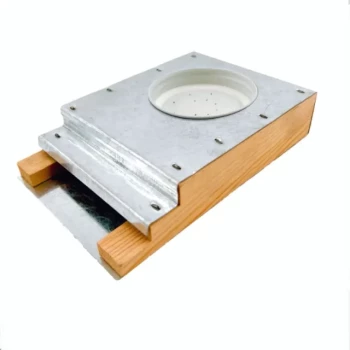
Specialized feeding equipment acts as a critical intervention tool to sustain honey bee colonies when natural resources are exhausted. By delivering essential sugar syrup or pollen substitutes, this equipment ensures colony survival by bridging the nutritional gap during dearth periods.
Core Insight: Beyond simple survival, this equipment preserves the operational rhythm of the apiary. It allows the queen to continue egg-laying and maintains the workforce population, ensuring the colony is strong enough to maximize harvest immediately when the next nectar flow begins.
Maintaining Biological Momentum
Sustaining Egg-Laying Activity
The primary biological function of feeding equipment is to simulate resource abundance. When the queen detects a steady intake of syrup or supplements, she maintains her egg-laying consistency rather than shutting down due to scarcity.
Preparing for the Next Flow
To maximize production, a colony must have a high population of foragers before a major bloom occurs. Specialized feeders allow apiarists to build up colony strength during a dearth so the bees are ready to capitalize on flows like rapeseed or lychee the moment they bloom.
Nutritional Substitution
When natural pollen is unavailable, feeders can distribute scientifically formulated substitutes or grain flours. These provide the essential protein and energy required to prevent the colony from physically shrinking due to malnutrition.
Ensuring Operational Continuity
Preventing Absconding
In severe dearth periods, a colony that consumes all its stores will often abandon the hive (abscond) in search of better resources. Consistent use of feeding tools provides the stability required to keep the bees in the box, preventing the total loss of the livestock.
Supporting Queen Rearing
For queen breeders, feeding equipment allows for the simulation of a natural nectar flow regardless of the season. This controlled supply ensures nurse bees produce sufficient royal jelly, which is vital for the development of healthy queen cells and the maintenance of the nursing instinct.
Understanding the Trade-offs
The Risk of Induced Robbing
Introducing sugar syrup during a dearth can incite "robbing" behavior, where stronger colonies attack weaker ones to steal food. Beekeepers must use entrance reducers and robbing screens in conjunction with feeders to help colonies defend their stores.
Scent Management
To further mitigate robbing risks, it is critical to avoid syrup additives with strong scents. Highly aromatic feeds can attract outside pollinators and predators, triggering aggressive competition that can destabilize the apiary.
Making the Right Choice for Your Goal
To effectively utilize feeding equipment, align your strategy with your specific management objective:
- If your primary focus is Honey Production: Feed strategically before the flow to build a large workforce that can immediately harvest when blooms open.
- If your primary focus is Queen Breeding: Use feeders to simulate a continuous flow, ensuring nurse bees have the resources to secrete royal jelly for developing queens.
- If your primary focus is Colony Survival: Monitor stores during dry seasons and feed maintenance levels of syrup to prevent starvation and absconding.
Success in the dearth season relies not just on feeding, but on feeding the right amount at the right time to maintain the colony's momentum.
Summary Table:
| Benefit | Impact on Colony | Practical Management Action |
|---|---|---|
| Biological Momentum | Keeps queen laying eggs during scarcity | Feed syrup to simulate natural resource abundance |
| Population Growth | Builds foragers for the next nectar flow | Use feeders strategically before major floral blooms |
| Stress Prevention | Prevents absconding and starvation | Monitor stores and provide maintenance-level feed |
| Queen Rearing | Ensures royal jelly production | Supply steady feed to stimulate nursing instincts |
| Robbing Mitigation | Protects hive from aggressive foragers | Use entrance reducers alongside internal feeders |
Scaling Your Commercial Apiary? Partner with HONESTBEE Today
Navigating nectar dearth requires more than just technique; it requires professional-grade equipment that ensures colony survival and productivity. At HONESTBEE, we specialize in supporting commercial apiaries and distributors with a comprehensive wholesale range of beekeeping tools, machinery, and essential consumables.
From high-capacity feeders that maintain biological momentum to honey-filling machines and specialized hardware, we provide the industrial-strength solutions your business needs to thrive. Our portfolio also includes honey-themed cultural merchandise to help you expand your brand presence.
Ready to optimize your beekeeping operations? Contact our team for a custom wholesale quote and expert equipment guidance.
References
- Md Akter Faruk Fuad. Potentials and Prospects of Beekeeping Entrepreneurship in Dinajpur Region: A Participatory Analysis. DOI: 10.19080/artoaj.2019.21.556178
This article is also based on technical information from HonestBee Knowledge Base .
Related Products
- Rapid Bee Feeder White Plastic 2L Round Top Feeder for 8 or 10-Frame Bee Hives
- HONESTBEE Entrance Bee Feeder Professional Hive Nutrition Solution for Beekeeping
- White Plastic 0.5L Beekeeping Entrance Feeder for Bees
- HONESTBEE Entrance Bee Feeder Efficient Hive Front Liquid Feeding Solution for Beekeeping
- HONESTBEE Professional Entrance Bee Feeder Hive Nutrition Solution
People Also Ask
- What should be done with feeders and equipment after feeding bees? Essential Steps for Apiary Health
- What should be done if feed in a feeder is not consumed by the bees? Prevent Hive Mold with Prompt Feed Management
- What is the necessity of specialized internal or entrance feeders? Secure Your Hive with Professional Feeding Tools
- How do bee feeders work to preserve colony health during nectar shortages? Essential Guide for Beekeepers
- How quickly does a medium to strong colony usually empty a feeder? A Beekeeper's Guide to Hive Health