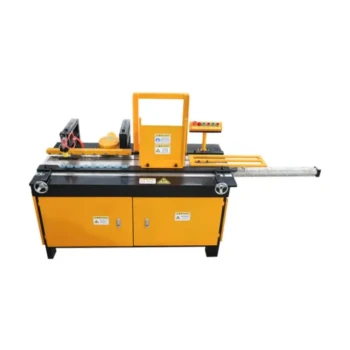
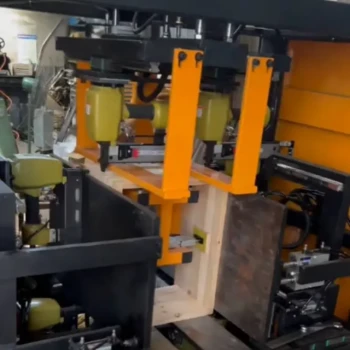
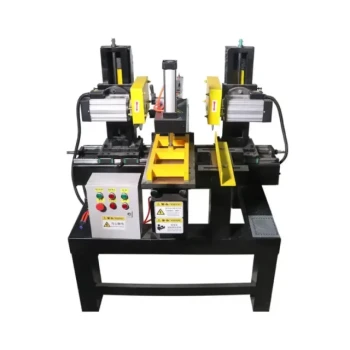
Standardized hive-making machinery is the critical infrastructure behind high-purity mono-floral honey. By producing uniform, tightly sealed hives, this technology enables beekeepers to exercise precise control over forage management and flowering periods. This structural consistency effectively limits the mixing of non-target pollens, thereby preserving the specific phenolic content and bioactive properties required for premium varieties like Manuka or Tualang honey.
Core Takeaway: While the floral source dictates the chemical potential of the honey, the precision of the hive determines its purity. Standardized machinery provides the rigorous environmental control necessary to prevent cross-contamination and preserve specific therapeutic benefits at an industrial scale.
Ensuring Purity Through Structural Precision
The Link Between Structure and Bioactivity
The quality of mono-floral honey is defined by its chemical profile, specifically its antioxidant and anti-inflammatory markers.
Machinery-produced hives offer superior sealing compared to manual construction. This physical barrier is essential for maintaining the purity of the colony's environment during specific bloom windows.
Preventing Cross-Contamination
To label honey as mono-floral, the vast majority of nectar must come from a single plant species.
Standardized hives allow for precise "forage management." Beekeepers can deploy and retrieve these uniform units in exact synchronization with flowering periods, drastically reducing the chance of bees collecting nectar from non-target plants.
Optimizing the Internal Hive Environment
Regulating Moisture and Viscosity
Beyond pollen purity, the physical quality of the honey depends on how the bees process it.
Precision-cut hives minimize gaps and drafts, allowing the colony to maintain optimal internal humidity and temperature. This controlled environment enables bees to evaporate moisture more efficiently, resulting in honey with higher viscosity and stability.
Reducing Impurities
High-specification hardware acts as a defense system against environmental interference.
By eliminating structural irregularities, standardized hives reduce the intrusion of pests and external dust. This ensures the raw material remains low in impurities before it ever reaches the processing plant.
Scaling Quality with Efficiency
Enabling Mechanized Management
Consistency in hive dimensions is the prerequisite for large-scale operations.
Machinery ensures every frame and box is identical, allowing for the use of automated extraction lines and mobile beekeeping equipment. This reduces the manual labor intensity that often leads to human error during harvest.
Improving Colony Health
A well-insulated, standardized hive supports a healthier bee colony.
Stronger colonies are more efficient at foraging and defending their stores. By providing a consistent habitat, producers can maintain higher colony densities without sacrificing the health of the individual units.
Understanding the Trade-offs
The Risk of Systemic Flaws
Standardization acts as a multiplier for both quality and error.
If the initial machinery settings are slightly off, every single hive produced will carry that defect. This can lead to systemic issues, such as poor frame fit or ventilation problems, across thousands of units.
Capital Intensity
Transitioning to machinery-produced hardware requires significant upfront investment.
While it lowers unit costs over time through efficiency, the initial capital expenditure can be a barrier for smaller producers attempting to enter the premium mono-floral market.
Making the Right Choice for Your Goal
To maximize the value of standardized machinery, align your hardware strategy with your production targets:
- If your primary focus is Pharmaceutical Grade Honey (e.g., High-UMF Manuka): Prioritize machinery that creates ultra-tight seals to enable absolute control over forage windows and prevent pollen dilution.
- If your primary focus is Export Volume: Focus on hardware compatibility that supports mechanized extraction and rapid transport to lower unit costs while maintaining baseline quality.
Success in mono-floral production relies not just on where you place your bees, but on the precision of the architecture you provide them.
Summary Table:
| Feature | Impact on Mono-floral Production | Primary Benefit |
|---|---|---|
| Structural Precision | Eliminates gaps and ensures superior sealing | Prevents cross-contamination of pollen |
| Dimensional Uniformity | Supports automated extraction and mobile lines | Enhances operational efficiency & scaling |
| Environmental Control | Maintains optimal internal humidity and temp | Improves honey viscosity and stability |
| Structural Integrity | Reduces intrusion of pests and external dust | Lowers impurities in the raw material |
Elevate Your Honey Production with HONESTBEE Precision
At HONESTBEE, we empower commercial apiaries and global distributors with the high-specification hardware needed to dominate the premium mono-floral market. Whether you require hive-making machinery for absolute structural control or honey-filling machines to streamline your export volume, our comprehensive wholesale portfolio has you covered.
Our value to you:
- Precision Engineering: Ensure the purity of high-UMF Manuka and pharmaceutical-grade honey.
- End-to-End Supply: From heavy machinery to essential industry consumables and cultural merchandise.
- Scalable Solutions: Designed specifically for industrial-scale operations to reduce labor and human error.
Ready to transform your apiary's efficiency and product value? Contact our experts today to discover how HONESTBEE can optimize your beekeeping infrastructure.
References
- Natalia G. Vallianou. Honey and its Anti-Inflammatory, Anti-Bacterial and Anti-Oxidant Properties. DOI: 10.4172/2327-5146.1000132
This article is also based on technical information from HonestBee Knowledge Base .
Related Products
- High-Efficiency Pneumatic Bee Hive Making Machine for Rapid Box Assembly
- Beehive Handle and Frame Rest Cutting Machine: Your Specialized Hive Machine
- Mini Desktop Bee Hive Frame Forming Making Machine
- Automatic High-Speed Bee Hive Box Stapling Machine
- Beehive Machine Double End Saw for Precision Hive Component Manufacturing
People Also Ask
- How does the introduction of professional beehive-making machinery benefit sustainable beekeeping? Scale Your Apiary
- Why is specialized beehive-making machinery critical for low-defense breeding? Enhance Selection with Precision Tools
- How does the introduction of specialized beehive making machinery contribute to increasing the scale of regional beekeeping industries?
- What is the importance of specialized beehive making machinery in a circular bio-economy? Build Local Sustainability
- Why is specialized beehive-making machinery essential? Scale Your Apiary with Precision Industrial Standards