Expansion into stingless bee apiculture changes equipment selection from standard comb processing to nest-pot handling. Commercial operators need specialized, well-sealed hive boxes, modular colony-management tools, and harvesting equipment designed for resinous cerumen pots rather than standard wax frames. Propolis collection also requires dedicated accessories, while honey processing benefits from clean extraction, filtration, and filling systems that protect product purity and colony structure.
Stingless bee production can expand a commercial apiary’s product range, but it requires a separate equipment strategy. The central requirement is compatibility with pot-building bee biology, combined with hygienic processing and standardized hardware for scalable operations.
Why Stingless Bees Require Different Equipment
Honey Is Not Stored in Standard Frames
European honey bees generally store honey and pollen in wax combs that can be removed and placed in conventional extractors. Stingless bees store honey and pollen in separate resinous cerumen pots, so frame-based uncapping and centrifugal extraction are not directly suitable.
Equipment must therefore support controlled access to individual pots or nest sections. The objective is to remove marketable product without unnecessarily damaging the colony’s internal structures.
Propolis Is Part of the Nest Architecture
Stingless bees incorporate plant resins into nest structures and storage pots. This creates an opportunity to produce high-value raw propolis, but it also means that propolis harvesting must be selective.
Harvesting accessories should allow operators to collect usable resin material while preserving essential nest protection and structural integrity. Tools designed only for scraping conventional hive surfaces may be inefficient or overly disruptive.
Hive Hardware Becomes a Production Platform
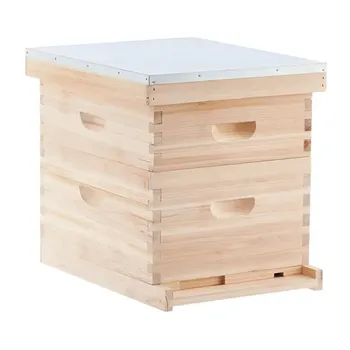
Enclosed cavity hives suit stingless bees because colonies generally adapt well to permanent, protected nest boxes. Durable, properly sealed boxes provide the foundation for colony stability, honey production, pollination services, and colony propagation.
For commercial operations, standardized dimensions are especially valuable. Uniform boxes and replaceable components simplify inspection, colony splitting, artificial swarming, inventory management, and staff training.
How Equipment Selection Should Change
Choose Specialized Stingless Bee Hive Boxes
Commercial stingless bee boxes should be selected around the biology and dimensions of the target species. They need to provide suitable internal cavity conditions while allowing practical access to honey pots, pollen stores, brood areas, and propolis-rich structures.
Sealing quality also matters. A stable, protected hive reduces maintenance demands and supports long-term colony retention, which is important when the business model depends on repeat harvests rather than one-time extraction.
Add Modular Division and Management Tools
Expansion through colony propagation requires more than additional hive bodies. Operators also need division tools and compatible modules that enable controlled colony splitting without excessive labor or damage.
A standardized equipment platform makes replacement and transfer easier across the apiary. It also improves purchasing efficiency for distributors and resellers because compatible components can be supplied as a coordinated product range.
Use Pot-Compatible Honey Extraction Equipment
Honey extraction systems should be adapted to the small, separate storage pots used by Meliponini. The equipment should enable controlled physical separation and minimize damage to the surrounding nest structure.
For commercial buyers, the relevant question is not simply whether a machine can remove honey. It is whether the system can process stingless bee honey cleanly, consistently, and with limited raw-material waste at the intended production volume.
Specify Dedicated Filtration and Filling Systems
Stingless bee honey requires clean handling from extraction through packaging. Dedicated filtration and filling equipment can reduce environmental contamination and help maintain consistent product quality.
Filling machinery should also match the product’s intended packaging formats and throughput requirements. A distributor serving different apiaries may need a range of scalable systems rather than one oversized machine.
Separate Propolis Handling From Honey Processing
Propolis and honey should be handled with equipment appropriate to their different physical characteristics and quality requirements. Dedicated propolis harvesting accessories and clean processing areas help reduce cross-contamination and preserve product identity.
This separation is commercially important when producers sell raw propolis, honey, and processed derivatives under distinct quality specifications.
Building a Commercial Equipment Portfolio
Standardization Improves Order Fulfillment
A full-spectrum product portfolio should connect hive boxes, management tools, harvesting accessories, extraction devices, filtration systems, and filling machinery. Compatibility between these categories reduces procurement complexity for commercial beekeepers.
For wholesalers and B2B resellers, standardized product families also simplify stocking decisions. Customers can begin with colony hardware and expand into processing equipment as production grows.
Equipment Should Match Production Stages
A small propagation operation may prioritize durable hive boxes and manual harvesting tools. A larger commercial apiary may require higher-capacity extraction, filtration, and filling systems to meet regular distributor demand.
Suppliers should therefore qualify orders by colony count, target products, harvest frequency, labor availability, and required processing volume. This improves response times and reduces the risk of supplying equipment that is biologically or operationally mismatched.
Hygiene Is a Commercial Requirement
Professional extraction and packaging equipment supports cleaner processing, lower waste, and more stable finished-product quality. These characteristics matter when products must satisfy distributor expectations or enter regulated commercial channels.
Cleanability, dedicated use, and controlled product transfer should be treated as core selection criteria rather than optional upgrades.
Understanding the Trade-offs
Specialized Equipment Raises Initial Complexity
Stingless bee operations cannot rely entirely on conventional honey bee equipment. Introducing species-specific hive boxes and extraction tools increases the number of product categories that must be purchased, stocked, and maintained.
The added complexity is justified only when the operation has a clear plan for colony propagation, pollination services, specialty honey, propolis, or related products.
Standardization Must Respect Species Differences
Standardized boxes improve efficiency, but one universal internal design may not suit every Meliponini species or local operating condition. Hive dimensions and management components should be standardized within a defined species and production system.
Suppliers should avoid treating “stingless bee equipment” as a single interchangeable category without confirming the intended species and hive format.
Mechanization Does Not Eliminate Biological Limits
Extraction machinery can improve hygiene and throughput, but it cannot compensate for weak colonies, poor nest management, or excessive harvesting. Stingless bee colonies still require careful handling to protect brood, food reserves, and structural defenses.
Commercial targets must therefore be aligned with sustainable harvest practices and the colony’s capacity to recover.
Product Quality Depends on the Entire Workflow
A sophisticated extractor will not guarantee high-purity honey or propolis if harvesting tools, containers, filtration stages, or filling areas introduce contamination. Quality must be managed across the complete chain from hive access to final packaging.
This is why equipment packages and service support are often more valuable than isolated machine sales.
Making the Right Choice for Your Goal
Select equipment according to both the biological requirements of stingless bees and the commercial role your operation intends to serve.
- If your primary focus is colony expansion: Prioritize standardized, well-sealed hive boxes, modular components, and division tools that support repeatable colony propagation.
- If your primary focus is specialty honey production: Choose pot-compatible harvesting and extraction equipment with clean filtration and controlled filling capabilities.
- If your primary focus is commercial propolis: Add dedicated resin-harvesting accessories and separate propolis handling equipment to protect product quality and nest health.
- If your primary focus is distribution or resale: Build a compatible, full-spectrum portfolio supported by fast sourcing, technical guidance, and reliable fulfillment across hive and processing categories.
- If your primary focus is premium product quality: Invest in dedicated, clean extraction and packaging workflows that minimize contamination, waste, and damage to hive structures.
The right stingless bee equipment strategy turns biological differences into a scalable advantage in specialty honey, propolis, pollination, and commercial apiculture.
Summary Table:
| Equipment Category | Key Considerations |
|---|---|
| Hive Boxes | Species-specific dimensions, sealed for protection, standardized for scalability |
| Management Tools | Modular dividers for colony splitting, compatibility with hive system |
| Honey Extraction | Pot-compatible, gentle to avoid damage, consistent throughput |
| Filtration & Filling | Hygienic, reduce contamination, match packaging formats |
| Propolis Handling | Dedicated accessories, separate from honey to preserve quality |
Ready to equip your stingless bee operation? At HONESTBEE, we supply specialized hive boxes, harvesting tools, and processing systems tailored to Meliponini apiculture. Our full-spectrum portfolio supports commercial apiaries and distributors with one-stop sourcing, rapid delivery, and expert guidance. Whether you need colony management hardware or high-capacity extraction lines, we help you scale efficiently. Contact us today to discuss your requirements and receive a customized equipment solution.
Related Products
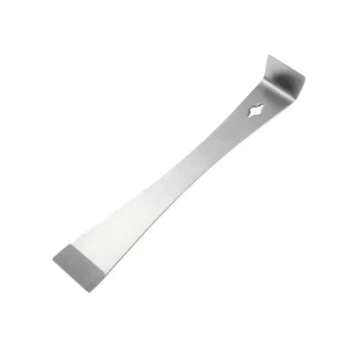
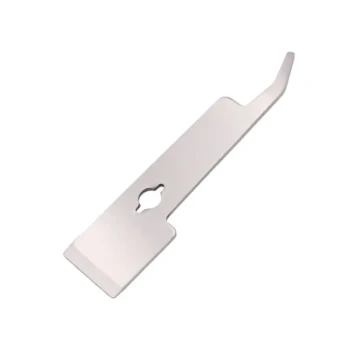
- Professional Stainless Steel Pry-Bar Hive Tool
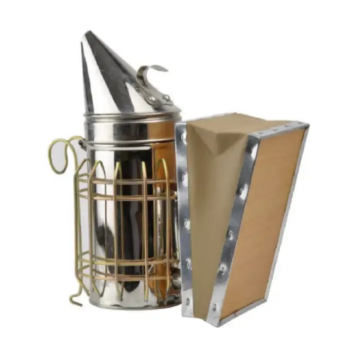
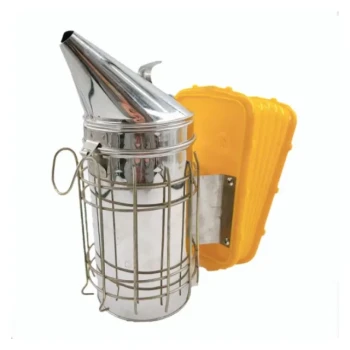
- Stainless Steel Honey Bee Smoker Hive and Honeycomb Smoker for Beekeeping
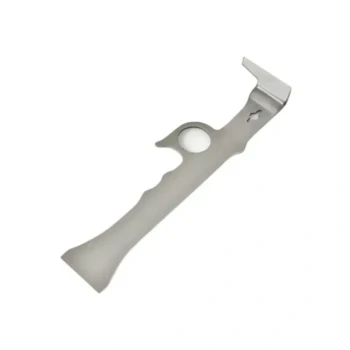
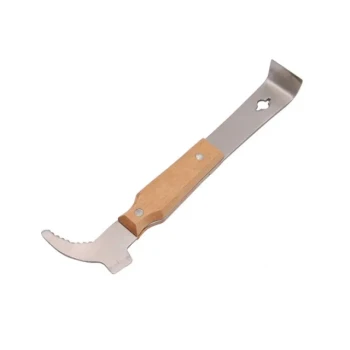
- HONESTBEE Advanced Ergonomic Stainless Steel Hive Tool for Beekeeping
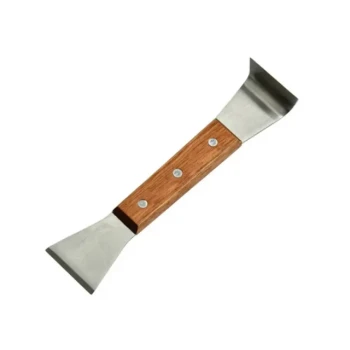
- Professional Dual-End Stainless Steel Hive Tool for Beekeeping
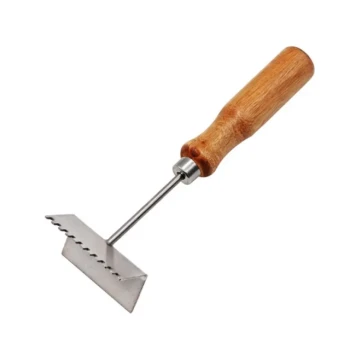
- Heavy Duty Stainless Steel Frame Cleaner with Plastic Handle
People Also Ask
- Which technical challenges in hive maintenance are addressed by using a professional stainless steel hive tool?
- What is the function of a professional stainless steel hive tool in IFB? Optimize Your Colony Strength Assessment
- What are the primary functions of a stainless steel hive tool? Essential Equipment for Professional Beekeeping
- What are the primary functions of a stainless steel hive tool? Essential Tips for Efficient Apiary Maintenance
- What is the role of professional hive tools in routine apiary maintenance? Expert Tips for Hive Health and Longevity