The thickness of your frame lugs determines both durability and hive geometry. While these "ears" may seem like a minor detail, their thickness dictates whether a frame can support heavy honey loads without snapping and whether your hive boxes will stack correctly. Incorrect or inconsistent lug thickness disrupts the critical vertical spacing within the hive, leading to management headaches.
Core Takeaway The mechanical success of a hive relies on precise "bee space." While thin lugs risk structural failure, the deeper issue is inconsistency, which prevents boxes from sitting flush and violates the internal spacing required for a healthy colony.
Structural Integrity vs. Spatial Precision
To manage a hive effectively, you must balance the strength of the frame with the strict geometric requirements of the hive body.
The Risk of Thin Lugs
Frame lugs bear the entire weight of the comb. When a deep frame is fully drawn and filled with honey, it becomes significant heavy.
If the lugs are too thin, they lack the tensile strength to support this load. This frequently results in lugs snapping off during inspections or transport, potentially dropping a heavy comb into the hive and crushing bees.
The Consequence of Thick Lugs
Conversely, lugs that are too thick create vertical interference. The lug rests in the "rebate" (the notch) of the hive box.
If the lug is thicker than the depth of this rebate, it sits proud of the top edge. This prevents the hive cover or the super above it from sitting flush, effectively acting as a shim that creates an unwanted gap.
The Dangers of Inconsistency
The most insidious issue regarding lug thickness is not just the dimension itself, but the lack of uniformity.
Supplier Variance
Beekeepers often accumulate gear from various sources over time. Mixing frames from different suppliers often introduces slight variations in lug thickness.
One manufacturer’s standard frame may have a slightly thicker ear than another's. When used in the same hive, this creates an uneven landscape across the top bars.
Violating Bee Space
When lugs are inconsistent or too thick, they force the boxes apart. This disrupts the required bee space—the specific gap bees need to move freely between boxes.
If this space is violated by a gap that is too large, bees will fill it with burr comb or propolis. This glues the boxes together, making future inspections difficult and increasing the likelihood of rolling or injuring bees when prying boxes apart.
Common Pitfalls to Avoid
When evaluating your equipment, there are specific trade-offs you must navigate to ensure smooth operations.
The "Mix and Match" Trap
It is tempting to buy the cheapest frames available or mix plastic and wooden components freely. However, the trade-off is often a loss of vertical alignment.
If you mix thick-lugged frames with standard boxes, you destroy the seal between hive bodies. This compromise allows pests to enter through the resulting gaps and alters the hive's internal ventilation.
Overlooking Rebate Depth
A common mistake is focusing solely on the frame and ignoring the box.
If you prefer robust, thick-lugged frames for durability, you must ensure your hive boxes have deep enough rebates to accommodate them. A thick lug is only a problem if the corresponding box recess is too shallow to receive it fully.
Making the Right Choice for Your Goal
Selecting the right equipment requires matching the component to your specific management style.
- If your primary focus is Durability: Prioritize frames with robust, thicker lugs to prevent breakage under heavy honey loads, but verify they sit flush in your specific boxes.
- If your primary focus is Ease of Management: Standardize on a single supplier for both frames and boxes to ensure consistent lug thickness and preserve proper bee space.
Standardizing your equipment prevents small mechanical variances from becoming major management problems.
Summary Table:
| Feature | Thin Lugs | Thick Lugs | Inconsistent Lugs |
|---|---|---|---|
| Structural Integrity | High risk of snapping under heavy honey loads. | Superior strength; supports full frames easily. | Variable; leads to unpredictable frame failure. |
| Hive Geometry | Usually fits rebates well but may sit too low. | May sit above the box rim, creating gaps. | Creates uneven top bars and poorly seated boxes. |
| Bee Space Impact | Minimal impact on vertical spacing. | Often violates bee space by elevating supers. | Causes burr comb and propolis buildup between boxes. |
| Management Effort | Higher risk of equipment breakage during inspections. | Requires specific rebate depths to avoid leaks. | Significant difficulty prying boxes apart due to glue. |
Optimize Your Apiary with Professional-Grade Equipment
Don't let inconsistent frame dimensions compromise your commercial operations. HONESTBEE provides precision-engineered beekeeping solutions tailored for large-scale apiaries and global distributors.
Our comprehensive wholesale catalog includes:
- Durable Hardware: Precision-cut frames and hive-making machinery.
- Advanced Automation: High-efficiency honey-filling machines.
- Consumables & Merchandise: A full spectrum of essential apiary supplies and honey-themed cultural goods.
Partner with HONESTBEE to ensure your equipment perfectly preserves bee space and maximizes hive longevity. Contact our specialist team today to discuss wholesale solutions and see how we can streamline your production.
Related Products
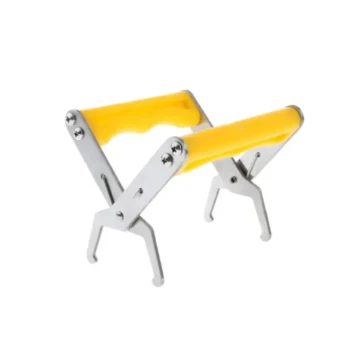
- Ergonomic High Visibility Plastic Frame Grip Handles
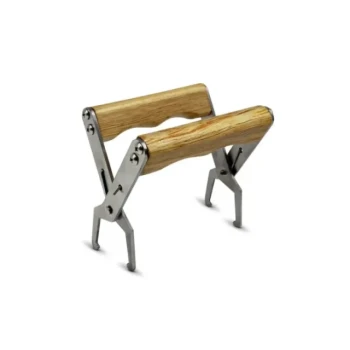
- Premium Frame Grip with Ergonomic Wood Handles
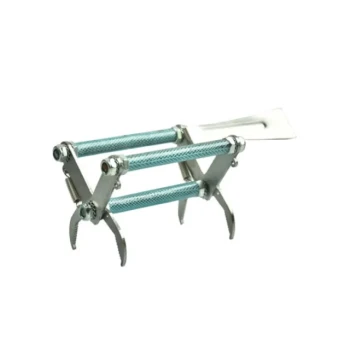
- Professional 3-Bar Frame Grip with Integrated Hive Tool
- Durable Galvanized Steel Frame Grip
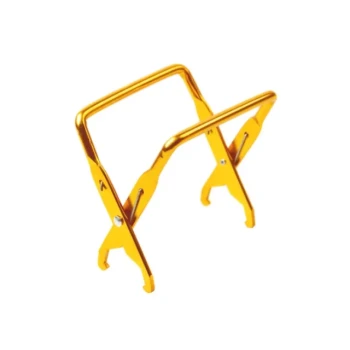
- Lightweight Aluminum Frame Grip
People Also Ask
- What is the purpose of using frame grips in beekeeping operations? Elevate Your Apiary Precision & Hive Safety
- What is a frame grip and how is it used? Secure Your Hive Inspections with Ease
- What are Frame Grips used for in beekeeping? Boost Your Hive Inspection Efficiency & Bee Safety
- What is the purpose of a frame grip in beekeeping? Achieve Secure, One-Handed Frame Handling
- How should Frame Grips be maintained after use? A Guide to Biosecurity and Tool Longevity