Electrical pulse technology functions by delivering specific frequency signals that prompt honeybees to increase their physical activity, specifically wing-fanning. This induced movement generates metabolic heat, allowing the colony to self-regulate its internal temperature without reliance on external heating elements.
By activating the bees' natural heat-production mechanisms, this technology stabilizes the hive environment against cold snaps while simultaneously disrupting the breeding cycles of pests like Varroa mites.
Mechanisms of Thermal Regulation
Stimulating Biological Heat
The core principle of this technology is the use of specific electrical frequencies. These pulses do not heat the air directly like a radiator; rather, they act as a stimulus for the bees.
When exposed to these signals, bees respond by increasing their movement and wing-fanning. This physical exertion releases metabolic heat, effectively raising the ambient temperature within the hive.
Protecting the Brood
Maintaining a stable temperature is critical for the survival of the brood (eggs, larvae, and pupae). Sudden drops in temperature can be fatal to developing bees.
By triggering heat production on demand, electrical pulse technology prevents brood damage during cold weather events. It ensures the colony stays within the thermal range necessary for development, even when external conditions deteriorate.
Environmental Impact on Hive Health
Modifying the Microclimate
Beyond simple warming, this technology allows for precise modification of the hive's internal microclimate. The generated heat changes the humidity and temperature profile of the brood box.
This environmental shift creates conditions that are optimized for the bees but hostile to unwanted organisms.
Suppressing Varroa Mites
A significant secondary benefit of this thermal regulation is parasite control. The technology helps control the breeding environment of Varroa mites, the most destructive parasite affecting honeybees.
By altering the temperature to levels that interrupt the mites' reproductive cycle, the technology enhances the overall health of the colony without necessarily resorting to chemical treatments.
Understanding the Trade-offs
Increased Metabolic Cost
While this method avoids external heaters, it is not energy-free. The heat is generated by the bees' metabolism, which requires fuel.
Stimulating bees to fan their wings more frequently increases their consumption of honey stores. Beekeepers must ensure the colony has adequate food reserves to support this increased physical activity.
Potential for Over-Stimulation
This technology relies on forcing a biological response. It is essential that the frequency and duration of pulses are carefully calibrated.
Excessive stimulation could potentially lead to exhaustion or unnecessary resource depletion during periods when bees would naturally be dormant or clustering to conserve energy.
Assessing the Fit for Your Apiary
To determine if this technology aligns with your management goals, consider your primary challenges:
- If your primary focus is Winter Survival: Utilize this technology to mitigate the risk of brood chill during unexpected cold snaps, ensuring you monitor food stores closely.
- If your primary focus is Chemical-Free Pest Control: Deploy this method to disrupt Varroa mite reproduction cycles by altering the hive's microclimate naturally.
This technology represents a shift from passive housing to active environmental management, leveraging the bees' own biology to secure their survival.
Summary Table:
| Feature | Mechanism | Primary Benefit |
|---|---|---|
| Heat Generation | Stimulates bee wing-fanning via frequency signals | Natural metabolic warming without external heaters |
| Brood Protection | Maintains stable thermal range during cold snaps | Prevents brood damage and ensures colony survival |
| Pest Management | Disrupts Varroa mite breeding microclimates | Reduces reliance on chemical parasite treatments |
| Resource Impact | Increases consumption of honey stores | Enhances physical activity and metabolic output |
Elevate Your Beekeeping Operations with HONESTBEE
Are you looking to integrate advanced environmental management into your commercial apiary? HONESTBEE specializes in supporting professional beekeepers and distributors with a comprehensive range of premium solutions. From high-performance beekeeping machinery and hive-making equipment to essential industry consumables and honey-themed merchandise, we provide the tools you need to maximize hive productivity and health.
Partner with HONESTBEE for:
- Wholesale Excellence: Full spectrum supply of beekeeping hardware and machinery.
- Industry Expertise: Tailored equipment solutions for commercial-scale operations.
- Global Distribution: Reliable logistics for honey-filling and production tools.
Ready to scale your business and protect your colonies? Contact us today to explore our wholesale catalog and discover how our equipment can streamline your apiary management.
References
- S.S. Salihov, A.S. Salihova. ELECTRIC PULSE TECHNOLOGIES AND BEEKEEPING SYSTEMS. DOI: 10.34660/inf.2024.92.38.395
This article is also based on technical information from HonestBee Knowledge Base .
Related Products
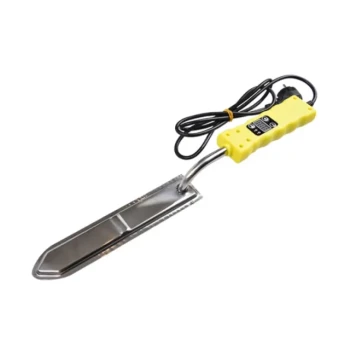
- Professional Electric Honey Uncapping Knife with Heated Digital Temperature Control for Beekeeping
- Stainless Steel Electric Beehive Smoker for Beekeeping and Bee Keeper Use
- Electric Bee Smoker European Style Bee Hive Smoker for Beekeeping
- Professional Adjustable Timer Electric Wire Embedder
- Professional Reversible Beehive Hive Entrance
People Also Ask
- Why are electric honey uncapping knives essential? Boost Efficiency & Preserve Comb for Professional Honey Extraction
- What is an electric uncapping knife and how is it used? Master Faster Honey Extraction with Heat
- What are the advantages and disadvantages of using an electric knife for uncapping honey frames? Boost Extraction Speed
- What are the drawbacks of using an electric knife for uncapping honey frames? Cost and Power Constraints Explained
- How should an electric uncapping knife be utilized? Master Efficient Honey Extraction with Heated Precision