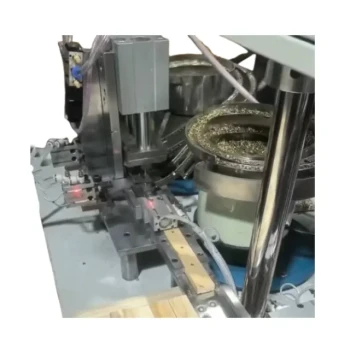
Suitability analysis acts as a strategic filter for commercial deployment, categorizing geographic regions based on their potential for beekeeping success to dictate equipment placement. By identifying high-yield zones versus challenging terrains, suppliers can precisely target where to deploy advanced automation versus where to introduce specialized, rugged machinery.
Suitability analysis transforms geographical data into a roadmap for inventory distribution. It ensures that expensive, automated infrastructure is routed to areas with the highest production potential, while specialized solutions are deployed in challenging environments to maximize return on investment.
Optimizing Strategy for High-Potential Zones
Prioritizing Advanced Automation
In regions identified as highly suitable, the commercial strategy focuses on volume and efficiency. Suppliers should prioritize the promotion of automated honey harvesting and filling equipment.
Deploying High-Yield Hive Systems
These optimal zones allow for the standardization of infrastructure. Consequently, the commercial layout should feature high-yield modern beehives that capitalize on the favorable environmental conditions.
Adapting to Lower-Suitability Environments
Addressing Climate Constraints
Regions with lower suitability scores often present specific environmental hurdles. In these areas, the "one-size-fits-all" approach is abandoned in favor of machinery customized for specific climatic challenges.
Navigating Complex Terrains
Standard industrial equipment is often ill-suited for rugged or uneven landscapes. For these regions, suppliers must offer equipment specifically designed for complex terrains, ensuring accessibility and functionality where automation might fail.
The Strategic Business Impact
Precise Resource Allocation
Suitability analysis prevents the waste of deploying high-tech assets in areas that cannot support them. It allows for precise resource allocation, ensuring inventory is moved to the markets where it is most relevant.
Maximizing Return on Investment (ROI)
By differentiating strategies based on regional data, businesses avoid market misalignment. This tailored approach maximizes ROI by matching the sophistication of the machinery to the potential of the land.
Understanding the Trade-offs
Supply Chain Complexity
Implementing a differentiated strategy increases logistical overhead. Managing distinct inventory streams—standardized automation for high-yield areas and customized gear for low-yield areas—requires a more agile supply chain.
Cost of Customization
Developing customized machinery for lower-suitability regions can be resource-intensive. You must carefully weigh the cost of engineering specific solutions against the potential revenue from these niche markets.
Making the Right Choice for Your Commercial Layout
To effectively apply suitability analysis to your operations, align your equipment distribution with the data-driven potential of the land.
- If your primary focus is Scalability: Concentrate your automated harvesting and filling resources exclusively in regions with top-tier suitability scores to maximize throughput.
- If your primary focus is Market Penetration: develop a secondary line of rugged, climate-specific equipment to capture market share in regions with lower suitability scores and complex terrain.
By allowing suitability analysis to dictate your equipment layout, you move from simple distribution to strategic infrastructure planning.
Summary Table:
| Region Suitability | Equipment Strategy | Key Products Recommended | Business Objective |
|---|---|---|---|
| High-Potential | Volume & Automation | Automated harvesting & honey-filling machines | Maximize throughput & scalability |
| Lower-Suitability | Rugged & Customized | Specialized hives & climate-specific gear | Market penetration & durability |
| Complex Terrains | Mobility & Accessibility | Portable machinery & rugged hive systems | Functional accessibility in rugged land |
Scale Your Beekeeping Business with Data-Driven Solutions
Maximize your operational efficiency and ROI with HONESTBEE. As a premier partner for commercial apiaries and global distributors, we provide more than just equipment; we provide strategic infrastructure solutions. From high-speed honey-filling machines for high-yield zones to specialized hive-making machinery and durable consumables for challenging environments, our comprehensive wholesale portfolio covers the full spectrum of industry needs.
Ready to optimize your commercial layout? Contact us today to access our expert wholesale offerings and elevate your beekeeping supply chain.
References
- Fatih Sarı, Mehmet Musa Özcan. A comparison of multicriteria decision analysis techniques for determining beekeeping suitability. DOI: 10.1007/s13592-020-00736-7
This article is also based on technical information from HonestBee Knowledge Base .
Related Products
- Stainless Steel J Hook Hive Tool for Beekeeping
- HONESTBEE 15-in-1 Beekeeper Multi-Tool with Hammer and Pliers for Beekeeping
- HONESTBEE Professional Mini J-Hook Hive Tool for Beekeeping
- Durable Galvanized Steel Frame Grip
- Multi-Function Plier-Style Frame Grip Hive Tool
People Also Ask
- What specific challenges do beekeeping hive tools address during hive maintenance? Essential Solutions for Apiaries
- What are the features of a J-hook hive tool? Effortlessly Lift Frames with Superior Leverage
- What is a J-hook hive tool and why is it favored by some beekeepers? Master Gentle Frame Handling
- What is the purpose of the J-hook hive tool? Effortlessly Lift Frames with Superior Leverage
- How is a J-hook hive tool designed and what is its primary use? Master Effortless Hive Inspections