Beeswax rendering is the technical process of purifying raw wax by using heat and filtration to separate the wax from impurities like honey, propolis, and debris. The procedure generally follows three fundamental steps: slowly melting the wax (often using water as a medium), straining it through a mesh filter, and allowing it to cool and harden into a usable form.
Core Takeaway Successful rendering relies on the principles of density and filtration. Because beeswax is lighter than water, melting it in a water bath allows heavy debris to sink and the wax to float, while passing the liquid through a filter removes fine particulates to achieve the desired purity.
The Preparation Phase
Collecting and Draining
Before heat is applied, you must prepare the raw material, which may consist of wax cappings or crushed comb.
First, drain all residual honey from the wax.
Initial Rinsing
Rinse the wax in cool, clean water to remove sticky residue.
Crucial Warning: Do not perform this step in a household sink. Residual wax can harden instantly in pipes, causing severe plumbing clogs.
Method 1: The Water Displacement Technique
Melting with Water
This method utilizes specific density properties to clean the wax. Place the wax in a dedicated pot (like a double boiler or crock pot) with water.
Heat the mixture slowly and gently. Do not let the wax boil.
Separation by Density
As the wax melts, stir it to help separate the debris.
Because beeswax is less dense than water, the wax will float to the top, while heavy impurities will settle into the water at the bottom.
The Immersion Variation
Alternatively, you can wrap the raw wax tightly in a piece of muslin cloth before placing it in the water.
As the water heats, the melted wax seeps through the cloth and rises to the surface, leaving the larger debris trapped inside the bundle.
Method 2: The Direct Filtration Process
Straining the Mixture
Once the wax is fully liquid, it must be mechanically filtered. Pour the hot wax (or wax-water mixture) through a strainer.
Effective filter materials include cheesecloth, nylon, or fine mesh sieves.
Skimming and Settling
If melting without a filter bag, use a skimmer spoon to remove large debris during the melting phase.
After pouring the mixture into a bucket or mold, allow it to settle.
Solidification and Final Cleaning
The Cooling Phase
Pour the cleaned, liquid wax into molds, such as silicone pans or recycled milk cartons.
Allow the wax to cool slowly overnight. Rapid cooling can cause cracking.
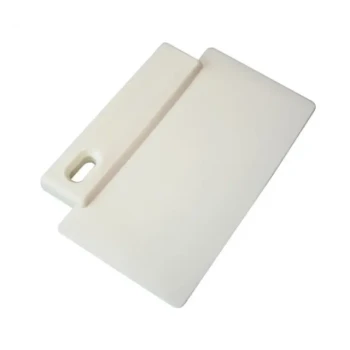
Scraping the Block
If you used the water method, the wax will harden into a solid disc floating on top of the water.
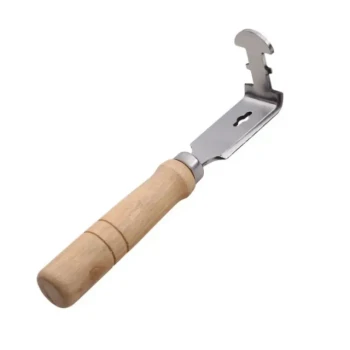
Remove the disc and scrape the bottom layer. This underside usually contains a layer of fine, dirty sediment that settled just under the wax.
Repetition for Purity
For higher quality wax (cosmetic grade), the rendering process is often repeated.
Melt the clean block again and filter it through a finer grade of mesh or cheesecloth to remove microscopic debris.
Understanding the Trade-offs
Temperature Sensitivity
Never overheat beeswax. High temperatures can discolor the wax or, in extreme cases, reach the flash point and ignite. Always use low, controlled heat.
Equipment Sacrifice
Beeswax is notoriously difficult to remove from equipment once hardened.
Use dedicated tools. Any pot, spoon, or strainer used for rendering should be permanently assigned to wax work; they will likely never be suitable for food preparation again.
Water Retention
When using the water method, small pockets of water may remain in the wax.
To ensure shelf stability, you may need to remelt the wax gently to evaporate any trapped moisture, preventing mold growth or sputtering in candles.
Making the Right Choice for Your Goal
To determine how rigorous your rendering process needs to be, consider your end use:
- If your primary focus is making candles: Ensure you scrape the sediment off the bottom of the wax block thoroughly; even small debris can clog the candle wick and affect the burn.
- If your primary focus is cosmetic use (balms/salves): You must perform a second or third render using a very fine filter (like nylon or tight cheesecloth) to ensure absolute purity and safety for the skin.
- If your primary focus is simple waterproofing or lubrication: A single pass using the water displacement method and a standard mesh sieve is usually sufficient.
The hallmark of successfully rendered beeswax is a clean, uniform color and the absence of visible particulate matter on the bottom of the cooling block.
Summary Table:
| Process Step | Primary Action | Key Tools | Goal |
|---|---|---|---|
| Preparation | Rinsing & draining | Cool water, mesh | Remove honey & sticky residue |
| Melting | Gentle heating | Double boiler, water | Liquefy wax without discoloration |
| Filtration | Straining | Cheesecloth, nylon | Remove propolis & fine debris |
| Solidification | Slow cooling | Molds, silicone pans | Prevent cracking & settle sediment |
| Refinement | Scraping | Scraper, knife | Remove bottom-layer impurities |
Elevate Your Apiary Production with HONESTBEE
Are you looking to scale your beeswax processing or upgrade your commercial apiary operations? HONESTBEE specializes in supporting commercial apiaries and distributors with high-performance solutions.
We provide a comprehensive wholesale range, including:
- Advanced Machinery: Specialized hive-making and honey-filling machines.
- Beekeeping Tools: A full spectrum of professional hardware and equipment.
- Industry Consumables: Every essential item to keep your business running smoothly.
From industrial-grade production to honey-themed cultural merchandise, we deliver the quality and expertise your business deserves.
Ready to optimize your supply chain? Contact us today to explore our wholesale offerings!
Related Products
- Fully Automatic Beeswax Embossing Machine Foundation Mill
- Manual Beeswax Flat Sheet Machine for Beeswax Processing
- Electric Beeswax Flat Sheet Machine with Operating Tray for Wax Processing
- Steam Beeswax Melter Wax Warmer for Wax Processing
- Beeswax Melter for Candle Making Honey Bee Wax Melter
People Also Ask
- What are the primary technical challenges faced by beeswax foundation production machinery? Tackling Lipophilic Residues
- What are the advantages of implementing a pulley and belt drive system in beeswax foundation machinery? Master Quality.
- What are the main components of a beeswax foundation sheet machine? A Guide to Efficient Production
- What types of beeswax foundation machines are available? Choose the Best Model for Your Production Scaling
- What is the function of a beeswax foundation machine? Boost Hive Efficiency and Honey Production