Cleaning an electric honey extractor requires a specific approach that balances thorough sanitation with the preservation of mechanical components. For routine maintenance between batches, a quick surface wipe with a towel soaked in warm water is often sufficient. However, for end-of-season storage or heavy buildup, you must perform a deep clean by disassembling removable parts and washing them individually to remove stubborn beeswax and propolis.
Core Takeaway: The most critical factor in cleaning an extractor is temperature management; warm water is essential to soften sticky beeswax. While deep cleaning ensures hygiene, you must be extremely cautious with detergents, as even trace amounts of soap residue can permanently contaminate future honey batches.
The Two Levels of Cleaning
Performing a Quick Clean
For immediate maintenance, you do not always need to strip the machine down. A "quick clean" involves soaking a towel in warm water and gently wiping the extractor's surfaces.
This method is effective for removing fresh honey drips or light residue. It is best used during active harvesting seasons when the machine will be used again shortly.
Executing a Deep Clean
To prevent mold and bacteria growth, a deep clean is required before long-term storage. You must disassemble the unit by removing the frames and any other detachable components.
Clean each part individually before reassembling the unit. This ensures you reach crevices where honey and wax might otherwise hide and spoil.
Managing Beeswax and Residue
Utilizing Heat Effectively
Beeswax is naturally sticky and difficult to remove when cool. You should always use warm water for cleaning, as higher temperatures soften the wax, making it significantly easier to wipe away.
Mechanical Removal
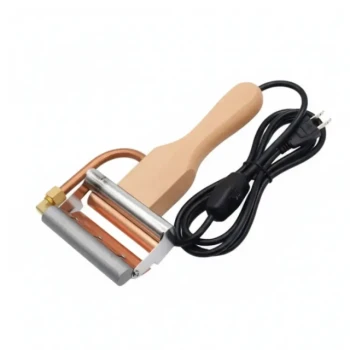
Before applying water, use a honey uncapping knife or a scraping tool to remove the bulk of the wax and propolis. Scrape down the frames and the interior walls of the drum to prevent clogging your cleaning tools.
Maintenance and Storage
Drying and Rust Prevention
Moisture is the enemy of your extractor's longevity. After washing, allow the extractor and all frames to dry completely before reassembling them.
Store the equipment in a dry, cool, and clean area. This prevents the formation of rust on metal parts and stops mold from developing inside the drum.
Handling Bearings
Most modern extractors, regardless of size, feature sealed bearings that do not require lubrication or maintenance. Whether you have a small 2-4 frame unit or a large 8+ frame commercial unit, avoid tampering with the bearings.
If the bearings appear to be malfunctioning, do not attempt to service them yourself. Contact the manufacturer directly for guidance.
Common Pitfalls to Avoid
The Soap and Detergent Risk
There is a significant trade-off when using cleaning agents. While mild detergents can help remove sticky sugar residues, they pose a high risk to the quality of your product.
Soap residue is notoriously difficult to remove completely. If any soap remains in the extractor, it will contaminate your next harvest, potentially making the honey inedible.
Mitigation Strategy
If you must use soap to tackle heavy grime, use it in extremely small quantities. You must then rinse the machine repeatedly and aggressively to ensure zero chemical traces remain.
Ensuring Longevity and Honey Quality
To maintain your equipment and protect your harvest, apply the following strategies based on your current needs:
- If your primary focus is quick turnaround between batches: Rely on a surface wipe-down using only a towel and warm water to maintain cleanliness without downtime.
- If your primary focus is food safety and storage: Disassemble the machine completely, scrape off all propolis, and ensure every component is bone-dry to prevent mold growth.
- If your primary focus is product purity: Avoid detergents entirely; rely on the thermal power of warm water and mechanical scraping to clean the unit without risking chemical contamination.
Treat your extractor with care, and it will provide years of reliable service while keeping your honey pure.
Summary Table:
| Cleaning Type | When to Perform | Key Method | Primary Benefit |
|---|---|---|---|
| Quick Clean | Between batches during harvest | Warm water & surface wipe-down | Fast turnaround, maintains workflow |
| Deep Clean | End of season or heavy buildup | Full disassembly & individual part washing | Prevents mold/bacteria growth |
| Wax Removal | Before applying water | Mechanical scraping with uncapping knife | Prevents clogging and sticky residue |
| Drying/Storage | Post-cleaning | Air-dry completely in a cool, dry area | Prevents rust and mechanical damage |
Maximize Your Honey Yield with Professional-Grade Equipment
Maintaining a clean and efficient apiary starts with the right tools. HONESTBEE is a premier partner for commercial apiaries and distributors, offering a comprehensive wholesale range of beekeeping solutions. Whether you need high-efficiency honey-filling machines, specialized hive-making equipment, or essential industry consumables, we provide the hardware and support to keep your operations running smoothly.
Ready to upgrade your beekeeping infrastructure? Contact us today to explore our full portfolio and discover how our expertise can drive your business's success.
Related Products
- HONESTBEE 72 Frame Industrial Electric Honey Extractor for Beekeeping
- Electric 4 Frame Tangential Honey Extractor
- 32 Frame Commercial Electric Honey Extractor for Beekeeping and Honey Production
- HONESTBEE 6 Frame Self Reversing Electric Honey Extractor for Beekeeping
- Commercial Electric 12 Frame Honey Extractor Spinner Motorized Honey Extractor
People Also Ask
- What is the importance of balancing honeycomb frames within a honey extractor? Ensure Stability and Protect Machinery
- How is honey separated from the frames after they are uncapped? Efficient Extraction Methods for High Yields
- What are the main benefits of using a honey extractor? Maximize Yields and Protect Your Honeycomb
- What are the recommended methods for removing honey from the honeycomb? Top Extraction Techniques for Maximum Efficiency
- How do manual honey extractors compare to electric honey extractors? Choosing the Right Tool for Your Apiary Growth