The definitive method for cleaning wax cappings after the initial straining process is to rinse them thoroughly in cool water. While straining removes the bulk of the liquid, a significant amount of honey will remain clinging to the wax surface. Utilizing cool water dissolves this residual honey without melting or deforming the wax, effectively separating the two materials.
Core Takeaway: Even after allowing cappings to drip dry in a strainer, honey residue persists. Rinsing the wax in cool water is the critical final step to remove stickiness and prepare the wax for rendering.
The Principles of Separation
Temperature Control
You must utilize cool water for this process. It is the single most important variable to control.
Hot or warm water will soften or melt the wax, creating a sticky emulsion that is difficult to separate. Cool water keeps the wax solid and brittle, making it easy to handle.
Solubility Mechanics
Honey is water-soluble, whereas beeswax is hydrophobic (it repels water).
By submerging the cappings, you leverage this chemical difference. The water acts as a solvent for the honey, pulling it off the wax surfaces, while the wax itself remains chemically unaltered.
The Pre-Requisite Step
Before introducing water, ensure you have maximized the physical straining process.
As noted in standard apiary protocols, cappings should first be placed in a mesh bag or sieve and suspended over a bucket. Allowing this to drip for 24 hours ensures you have harvested the maximum amount of pure honey before washing the rest away.
Operational Execution
The Rinse Cycle
Place the strained cappings into a container of cool water. Agitate the wax gently with your hands or a tool to break up clumps.
This exposure allows the water to penetrate the crevices of the cappings, dissolving the trapped honey.
Evaluation
The cappings are clean when they no longer feel tacky to the touch.
If the water becomes heavily saturated with honey (turning into a thick syrup), drain it and repeat the rinse with fresh cool water until the wax is clean.
Understanding the Trade-offs
Moisture Introduction
The primary downside of this method is the introduction of water into the wax.
If you plan to store the wax rather than render it immediately, it must be completely air-dried. Storing wet cappings will lead to mold growth and fermentation, potentially ruining the wax crop.
Honey Dilution
Once you add water to the cappings, the remaining honey is no longer suitable for bottling as pure honey.
However, the resulting liquid is "honey water." While not shelf-stable like cured honey, it is often valuable as bee feed or as a base for fermented beverages like mead.
Making the Right Choice for Your Goal
- If your primary focus is pristine beeswax: Rinse repeatedly with cool water until the wax is completely free of stickiness to prevent honey from scorching during the rendering process.
- If your primary focus is minimizing waste: Save the rinse water; it contains dissolved honey sugars that can be fed back to the bees or used in fermentation.
By using cool water to finalize the cleaning process, you convert a sticky byproduct into a refined resource ready for rendering.
Summary Table:
| Step | Process | Action | Key Outcome |
|---|---|---|---|
| 1 | Straining | Drip dry for 24 hours | Maximizes pure honey harvest |
| 2 | Rinsing | Submerge in cool water | Dissolves residue without melting wax |
| 3 | Agitation | Gently break up wax clumps | Ensures water penetrates all crevices |
| 4 | Drying | Air-dry completely | Prevents mold and fermentation |
| 5 | Recovery | Save 'honey water' | Useful for bee feed or mead making |
Maximize Your Apiary’s Productivity with HONESTBEE
Turning sticky byproducts into valuable resources requires the right tools and expertise. HONESTBEE is dedicated to supporting commercial apiaries and distributors with a professional-grade portfolio of beekeeping solutions. From high-efficiency honey-filling machines and specialized hive-making hardware to a comprehensive range of beekeeping tools and industry consumables, we provide everything you need to scale your operations.
Partner with us to streamline your production and enhance your market offering.
Contact our wholesale experts today to discuss your equipment needs!
Related Products
- Professional Honey Uncapping Roller for Efficient Harvesting
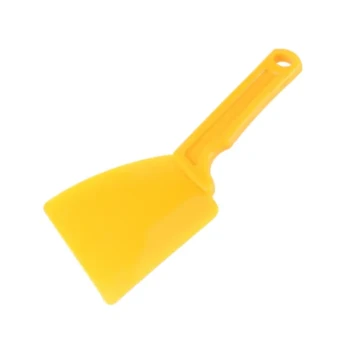
- Professional Honey Scraper for Efficient Apiary Maintenance
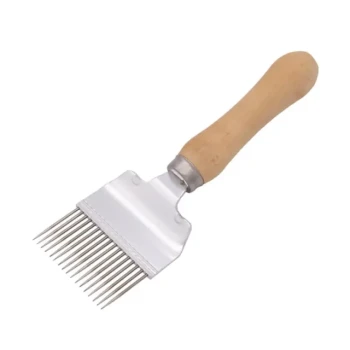
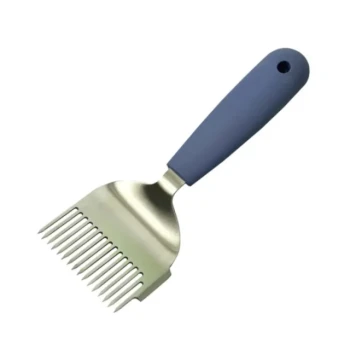
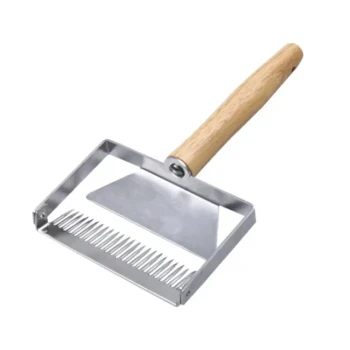
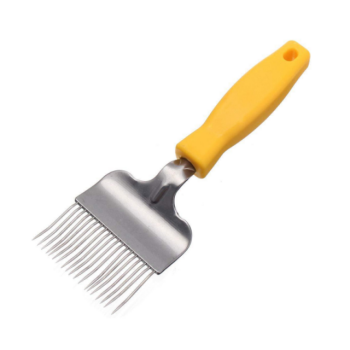
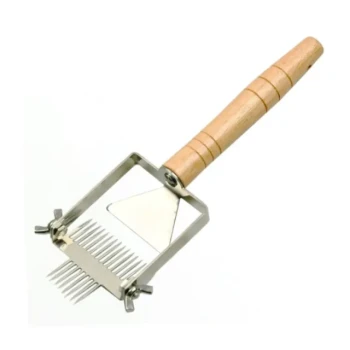
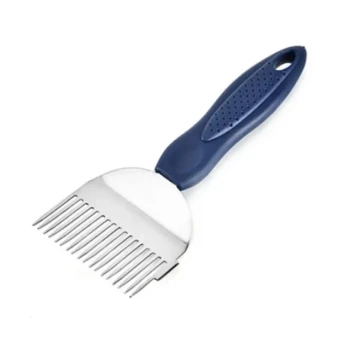
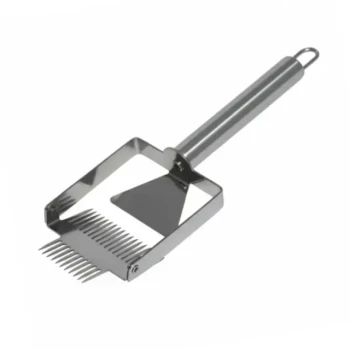
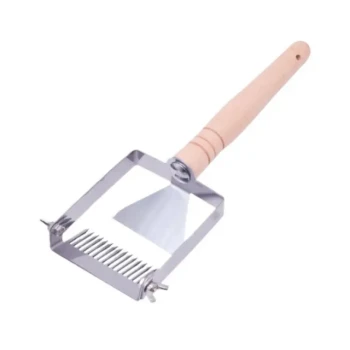
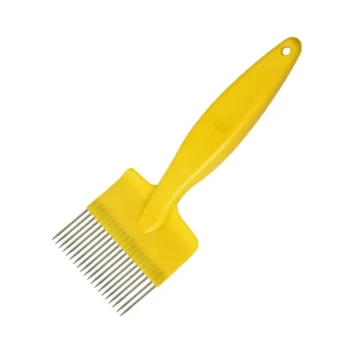
- Professional Classic Wood Handle Honey Uncapping Fork
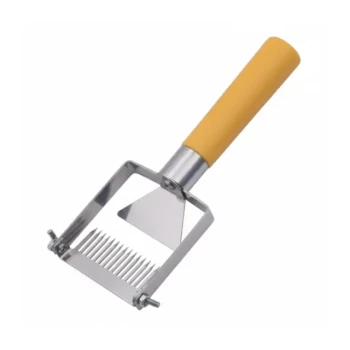
- Adjustable Stainless Steel Honey Uncapping Fork with Plastic Handle for Beekeeping
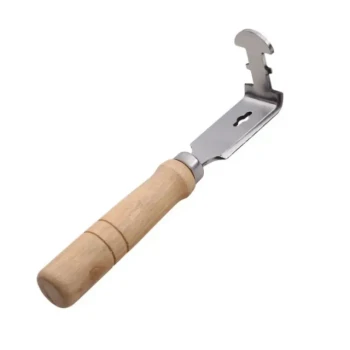
- Serrated Honey Uncapping Knife for Beekeeping and Bee Hive Maintenance
People Also Ask
- What other tools are available for honey uncapping besides knives? Find the Right Tool for Your Apiary's Scale
- What are the methods of uncapping honey? A Guide to Tools for Efficient Harvests
- What tools are available for uncapping honey? A Guide to Choosing the Right Tool for Your Operation
- What tools can be used to uncap honey cells? Expert Guide to Efficient Honey Extraction Equipment
- What are the essential tools for uncapping honey frames? Choose the Right Tool for Your Apiary