Oil-based exterior paint is a highly effective choice for finishing beehives, particularly if longevity is your primary concern. It offers superior durability and resistance to physical wear compared to latex alternatives. However, because the visual result is identical to latex, the decision ultimately hinges on whether you value maximum protection over ease of cleanup.
While oil-based paint provides exceptional protection and durability for hive woodenware, it requires solvent-based cleanup that many beekeepers find inconvenient. Since the aesthetic finish is indistinguishable from latex, the decision rests entirely on your preference for durability over ease of use.
Performance and Longevity
Superior Durability
Oil-based products are chemically structured to adhere deeply and create a hard, resilient shell. This makes them significantly more durable than water-based options, potentially extending the time between maintenance cycles.
Resistance to Wear
Beehives are exposed to harsh elements constantly. Oil-based finishes offer enhanced resistance to wear and tear, providing a robust shield against rain, wind, and the physical handling of hive bodies during inspections.
The Aesthetic Reality
Indistinguishable Finish
Despite the chemical differences and increased durability, the final look of the hive will be visually identical to one painted with latex.
No Cosmetic Advantage
You should not choose oil-based paint expecting a superior visual gloss or texture. Once the paint has dried and cured, it appears exactly the same as a latex-based finish.
Understanding the Trade-offs
The Cleanup Barrier
The most significant downside to using oil-based paint is the cleanup process. Unlike latex paints, you cannot simply wash your brushes and rollers with water.
Solvent Requirements
Cleaning up requires mineral spirits or similar solvents. This adds time to your workflow, involves handling stronger chemicals, and is generally considered a "significant hassle" compared to the soap-and-water cleanup of latex paints.
Making the Right Choice for Your Apiary
The "best" paint depends on how you weigh maintenance intervals against application difficulty.
- If your primary focus is maximum longevity: Choose oil-based paint to ensure the longest possible protection for your woodenware, accepting the extra cleanup time.
- If your primary focus is workflow efficiency: Stick to latex paint, which offers easier cleanup while providing the exact same visual finish.
By understanding the balance between durability and convenience, you can select the finish that best fits your management style.
Summary Table:
| Feature | Oil-Based Paint | Latex (Water-Based) Paint |
|---|---|---|
| Durability | High (Hard, resilient shell) | Moderate |
| Adhesion | Deep penetration into wood | Surface-level bonding |
| Visual Finish | Identical to Latex | Identical to Oil-based |
| Cleanup | Requires Solvents/Mineral Spirits | Soap and Water |
| Maintenance | Longer intervals between repainting | More frequent maintenance |
Scale Your Apiary Operations with HONESTBEE
Maintaining a commercial apiary requires equipment that stands the test of time. At HONESTBEE, we specialize in supporting commercial beekeepers and distributors by providing the industry's most durable beekeeping tools, hive-making machinery, and essential consumables. Whether you are looking for high-capacity honey-filling machines or professional-grade hardware designed to withstand the elements, we deliver the quality you need to maximize efficiency.
Ready to upgrade your apiary’s productivity? Contact HONESTBEE today to discuss our wholesale offerings and discover how our comprehensive equipment range can benefit your business.
Related Products
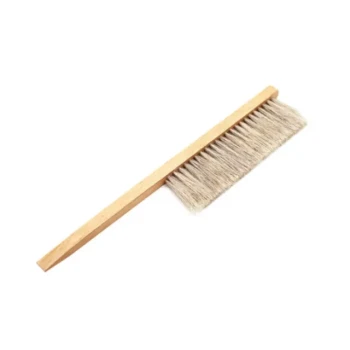
- Wooden Bee Brush with Double-Row Horsehair Bristles
- Wholesales Dadant Size Wooden Bee Hives for Beekeeping
- Wooden Bee Hive Frames for Beekeeping and Wholesale
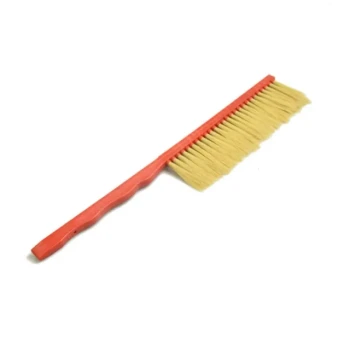
- Plastic Handle Single Row Artificial Fiber Bee Brush
- Yellow Plastic Bucket Pail Perch for Beekeeping
People Also Ask
- Why is a bee brush necessary when extracting honeybee hive frames that contain larvae? Protect Your Brood and Colony
- What is the correct way to use a bee brush and what actions should be avoided? Master Gentle Hive Management
- What are the specific functions of the bee brush and the sealed sampling bottle? Optimize Your Parasite Sampling.
- What is a bee brush and what is it used for? Master Precision Bee Removal with Gentle Sweeping Techniques
- What is a bee brush used for in beekeeping? Essential Tool for Safe Hive Inspections & Honey Harvesting