Supplemental feeding is required when the immediate environment fails to provide adequate natural forage to sustain the colony. In a managed or commercial apiary, you must intervene when natural resources are insufficient to allow the bees to store the pollen necessary for their nutritional maintenance and reproductive cycles.
Use supplemental feeding as a bridge, not a permanent solution. Its primary purpose is to compensate for environmental deficits, ensuring colonies have the energy and protein reserves required to continue brood rearing and survive resource gaps.
The Core Driver: Environmental Insufficiency
Identifying Resource Gaps
Honeybees are opportunistic foragers, but they are entirely dependent on what is blooming within their flight range.
A need for feeding arises when these natural resources—specifically nectar and pollen—become scarce.
This scarcity prevents the colony from building the stores required to weather future shortages or dormant periods.
The Critical Role of Pollen
While nectar provides carbohydrates (energy), the primary reference highlights the critical importance of pollen.
Pollen provides the protein and lipids essential for bee health.
If the environment does not yield enough pollen, the colony cannot build the nutritional reserves needed for long-term survival.
Impact on Reproductive Needs
A colony’s ability to reproduce (rear brood) is directly tied to its food supply.
Nurse bees require vast amounts of pollen to produce royal jelly to feed developing larvae.
When natural resources are insufficient to support this intake, brood rearing slows or stops entirely to preserve the colony's remaining energy.
Understanding Nutritional Requirements
The Storage Imperative
Bees do not just eat for today; they must hoard for tomorrow.
A colony requires supplemental feed not just when they are starving, but when they are unable to store a surplus.
If the bees are consuming resources as fast as they bring them in, they are living "hand-to-mouth" and are vulnerable to any disruption in weather or bloom.
Commercial Pressures
In commercial settings, apiaries are often densely populated or placed in monocultures.
These environments may offer a single, massive bloom followed by a nutritional desert.
Supplemental feeding becomes mandatory here to maintain colony strength between these targeted pollination events.
The Realities of Supplementation
Artificial vs. Natural Sources
While supplemental feed keeps a colony alive, it is rarely a perfect substitute for diverse natural forage.
Artificial pollen patties and sugar syrups provide necessary calories and protein, but they may lack the micronutrients found in a varied natural diet.
The Cost of Intervention
Feeding is labor-intensive and financially costly for commercial operations.
It requires physical inspection of hives and the purchase of feed materials.
Therefore, the decision to feed should always be driven by a confirmed lack of environmental resources, rather than a default schedule.
Making the Right Choice for Your Colony
Depending on your specific objectives for the apiary, your approach to feeding will differ.
- If your primary focus is Colony Survival: Monitor hive weight and pollen stores closely, feeding immediately when natural resources drop below the level needed to sustain the existing population.
- If your primary focus is Commercial Production: Feed proactively before natural flows begin to stimulate early reproductive cycling and ensure maximum population density for pollination contracts.
Successful apiary management relies on recognizing when nature has stopped providing, and stepping in before the colony's health declines.
Summary Table:
| Factor | Condition Requiring Feeding | Primary Objective |
|---|---|---|
| Resource Availability | Natural nectar/pollen scarcity or "Hand-to-mouth" living | Building energy and protein stores |
| Reproductive Cycle | Insufficient pollen for royal jelly production | Maintaining brood rearing and nurse bee health |
| Commercial Timing | Preparation for pollination contracts or monoculture gaps | Stimulating early population growth |
| Colony Survival | Hive weight drops below critical thresholds | Preventing starvation during dormant periods |
Elevate Your Beekeeping Operation with HONESTBEE
Maintaining colony health during resource gaps requires more than just feed—it requires the right tools and infrastructure. HONESTBEE specializes in supporting commercial apiaries and distributors with a comprehensive range of professional beekeeping solutions.
From high-efficiency honey-filling and hive-making machinery to essential industry consumables and specialized hardware, we provide the tools you need to maximize production and ensure colony resilience. Whether you are scaling a commercial operation or supplying the next generation of beekeepers, our wholesale portfolio is designed to deliver value and durability.
Ready to optimize your apiary’s performance? Contact us today to explore our full spectrum of equipment and professional beekeeping supplies.
Related Products
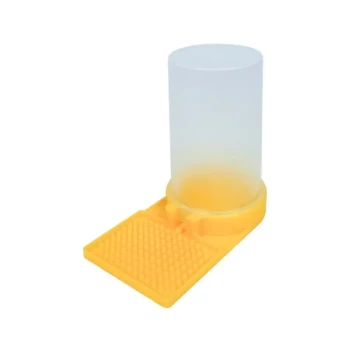
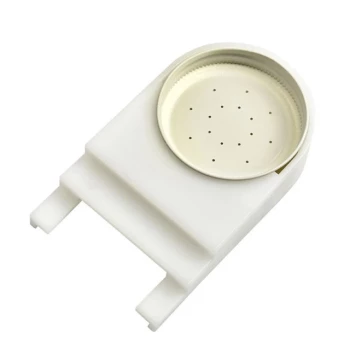
- HONESTBEE Professional Entrance Bee Feeder Hive Nutrition Solution
- HONESTBEE Entrance Bee Feeder Professional Hive Nutrition Solution for Beekeeping
- HONESTBEE Professional Hive Top Bee Feeder Feeding Solution
- HONESTBEE Entrance Bee Feeder Efficient Hive Front Liquid Feeding Solution for Beekeeping
- In-Hive Dual Compartment Frame Bee Feeder for Targeted Colony Nutrition
People Also Ask
- What types of bee feeders are available for beginners? Start with the Simple Entrance Feeder
- What are the advantages and disadvantages of using an entrance feeder for bees? Balance Convenience and Hive Security.
- How does a bee entrance feeder work? A Simple Guide to Convenient Hive Feeding
- What is a bee entrance feeder and what are its drawbacks? Essential Guide to Hive Security and Feeding Efficiency
- How to make an entrance feeder for bees? A DIY Guide for Safe & Effective Feeding