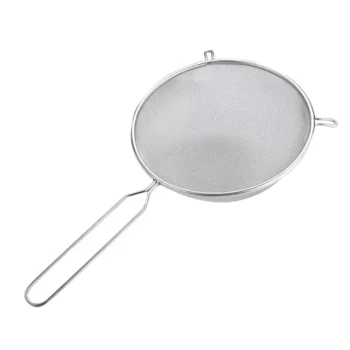
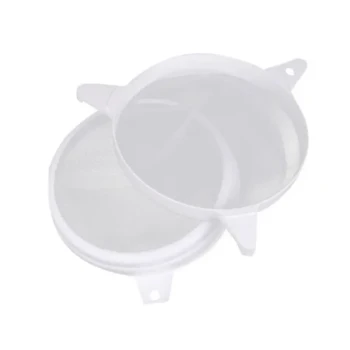
Professional harvesting and filtration equipment fundamentally transforms honey extraction from a potentially destructive manual task into a precise, hygienic preservation process. By utilizing mechanisms like centrifugal force and specialized filtration, these tools maximize product purity and shelf life while eliminating common contaminants such as debris, larval remains, and wax residue.
Core Insight: The shift to professional equipment is not merely about increasing volume; it is about decoupling honey extraction from honeycomb destruction. This approach preserves the hive's structural assets (the comb) and the honey’s biochemical integrity (enzymes), directly resulting in higher operational efficiency and a premium, export-grade final product.
Preserving Bio-Chemical Integrity
Protecting Heat-Sensitive Compounds
Traditional manual squeezing often generates uncontrolled friction or requires heat to facilitate flow, which can degrade the honey. Professional mechanized extractors operate efficiently at low temperatures.
This temperature control is critical for preventing the loss of heat-sensitive enzymes and antioxidants. It also prevents the elevation of hydroxymethylfurfural (HMF) levels, ensuring the medicinal profile of the honey remains intact.
Hygiene and Contaminant Control
Manual extraction increases the risk of introducing external impurities. Professional equipment, such as closed-chamber centrifugal extractors, minimizes the honey's exposure to the environment.
This reduces the risk of oxidation and preserves natural floral aromas. Furthermore, advanced filtration systems effectively remove particulate matter without stripping away the physiological active components that define natural, high-quality honey.
Enhancing Apiary Efficiency
Structural Preservation of the Comb
The most significant operational advantage of professional extractors is the use of centrifugal force. This removes honey without crushing the honeycomb structure.
Because the comb remains intact, it can be returned to the hive for immediate reuse. This eliminates the time and energy bees would otherwise spend rebuilding wax, significantly shortening the interval between production cycles.
Specialized Handling for Stingless Bees
For stingless bee colonies, which store honey in cerumen pots, traditional methods are often invasive. Professional negative pressure suction devices allow for extraction without destroying these pots.
This protects the nest structure and reduces the colony's recovery time. It ensures a more hygienic harvest while maintaining the structural integrity of the hive.
Economic and By-Product Advantages
High-Quality Beeswax Recovery
While traditional methods often result in a slurry of honey and wax, professional equipment like mechanical presses and separators distinctly segregate the two.
This preserves the integrity of the beeswax, providing a high-quality raw material. This clean wax can be used to produce value-added secondary products, such as creams and soaps, diversifying the apiary's economic output.
Meeting Commercial Standards
To access premium markets, honey must meet strict sensory and safety standards. Professional filtration ensures precise moisture control and consistent clarity.
This standardization extends shelf life and ensures the product complies with international food safety requirements, opening avenues for commercial export that are often closed to traditionally extracted honey.
Understanding the Trade-offs
While professional equipment offers superior quality control, it introduces complexity to the operation.
- Capital Investment: Professional centrifugal extractors, uncapping machines, and filtration pumps represent a significant upfront cost compared to manual tools.
- Maintenance Requirements: Unlike simple gravity filters, mechanized equipment requires regular maintenance, cleaning protocols, and a power source to operate effectively.
- Operational Footprint: These machines require dedicated processing space to maintain the hygiene standards they are designed to achieve.
Making the Right Choice for Your Goal
To maximize the value of your extraction process, align your equipment choice with your specific production targets:
- If your primary focus is Medical/Premium Grade Honey: Prioritize low-temperature centrifugal extractors to keep HMF levels low and preserve delicate enzymes.
- If your primary focus is Production Volume: Invest in radial extractors that preserve the honeycomb, allowing bees to refill them immediately rather than rebuilding wax.
- If your primary focus is Stingless Beekeeping: Utilize negative pressure suction devices to harvest hygienically without damaging delicate cerumen pots.
Professional equipment turns honey extraction into a sustainable cycle rather than a destructive event, securing both the health of the colony and the quality of the harvest.
Summary Table:
| Feature | Traditional Methods | Professional Equipment |
|---|---|---|
| Honey Quality | High risk of contamination/HMF | High purity, enzyme preservation |
| Comb Integrity | Often destroyed/crushed | Fully preserved via centrifugal force |
| Hygiene | Manual handling, open exposure | Closed-chamber, food-grade systems |
| Production Cycle | Slow (bees must rebuild wax) | Fast (immediate comb reuse) |
| Secondary Products | Mixed wax slurry | High-quality, clean beeswax recovery |
| Scalability | Limited manual labor | Efficient, high-volume processing |
Elevate Your Apiary Operations with HONESTBEE
Transitioning from traditional methods to professional machinery is the key to unlocking premium honey markets and operational scale. HONESTBEE specializes in empowering commercial apiaries and distributors with high-performance beekeeping tools and industrial-grade machinery.
Whether you need centrifugal extractors that preserve honeycomb integrity, honey-filling machines for standardized production, or specialized negative pressure suction devices for stingless bees, we provide the full spectrum of equipment and consumables to maximize your harvest quality.
Ready to upgrade your production? Contact our experts today to discover how our wholesale solutions can increase your efficiency and product value.
References
- Gede Suarta, I Gusti Agung Nyoman Dananjaya. Farmer motivation towards the development of honeybee farming in Bali Province. DOI: 10.53730/ijls.v7n3.14557
This article is also based on technical information from HonestBee Knowledge Base .
Related Products
- Electric Double Wall Honey Filtering Machine Purifier Equipment for Honey Processing Plant
- Honey Concentrating and Filtering Dehumidifier Machine 2T Capacity for Honey
- Professional Stainless Steel Honey Filtering Machine with Water Bath Heating for Beekeeping
- Stainless Steel Triangle Support Honey Strainer and Filters
- Automatic Honey Filling and Filtering Machine for Beekeeping Bottle Filling
People Also Ask
- What types of equipment are used in honey filtering? Build an Efficient System for Pure, Marketable Honey
- What is the process of filtering honey? A Guide to Clean, Pure, and Market-Ready Honey
- What is the overall importance of using the right equipment in honey filtering? Boost Quality & Marketability
- What is a potential concern associated with filtering honey? Balancing Clarity and Pollen Preservation
- What are the benefits of drying honey filtering equipment after use? Protect Your Honey Quality & Equipment Investment