Planned or proactive supplemental feeding is a strategic intervention where beekeepers provide artificial food sources to augment natural forage, specifically to achieve targeted colony milestones. Rather than a reactive measure used only to prevent starvation, this approach is characterized by its focus on manipulating the timing of colony development to align with production or pollination schedules.
This strategy shifts apiary management from passive observation to active control. By regulating nutrient intake, you dictate the pace of colony growth and resource accumulation, ensuring peak population numbers coincide exactly with critical nectar flows or winter preparation windows.
The Strategic Objectives of Proactive Feeding
Accelerating Early Spring Growth
The primary characteristic of this strategy is stimulation. By providing feed before natural nectar flows begin, you trigger the queen to lay eggs earlier.
This jumpstarts the colony's population growth cycle. It ensures a robust workforce is ready the moment the first major blooms appear.
Maximizing Numbers for Pollination
Commercial viability often depends on population density. Proactive feeding is used to increase bee numbers specifically for pollination contracts.
This ensures the colony meets the minimum strength requirements to effectively service crops.
Securing Winter Survival
This strategy is also characterized by a focus on storage accumulation.
Beekeepers feed proactively in the fall to ensure hives have sufficient food reserves for winter, rather than relying on late-season natural flows that may not materialize.
Managing Development and Resources
Controlling Development Timelines
Planned feeding allows you to manage the timing of colony development.
By adjusting food availability, you can speed up population expansion to match your schedule, rather than being solely dependent on environmental conditions.
Reducing Reliance Through Management
While effective, proactive feeding is not always mandatory.
You can minimize the need for this strategy by leaving more honey in the hive during harvest.
Environmental Mitigation
Another characteristic of this approach is its relationship with local flora.
The need for supplemental feeding can be reduced by planting forage that blooms during typical dearth periods, providing a natural alternative to sugar syrup.
Understanding the Trade-offs and Logistics
Balancing Labor and Efficiency
Implementing a planned feeding schedule requires logistical effort, but specific methods can mitigate this.
Open feeding (placing centralized containers outside the hive) is often used in this context to increase efficiency. It reduces the labor of suiting up and opening individual hives, making the process faster for large operations.
Infrastructure Dependencies
Feeding alone does not guarantee growth; it must be paired with physical space.
To support the expansion driven by feeding, you must ensure sufficient supplemental brood frames are available for the queen's egg-laying, ensuring the infrastructure keeps pace with the population spike.
Making the Right Choice for Your Goal
Whether you should adopt a proactive feeding strategy depends on your specific objectives for the season.
- If your primary focus is Commercial Pollination: Prioritize early stimulation feeding to maximize worker population density before the contract begins.
- If your primary focus is Sustainable/Natural Beekeeping: Focus on planting diverse forage and leaving ample honey stores to minimize the need for artificial supplements.
- If your primary focus is Winter Survival: Implement a planned feeding schedule in late summer to guarantee sufficient storage weight regardless of fall nectar flows.
Success in proactive feeding lies not just in providing food, but in timing that provision to precisely control the biological rhythm of the hive.
Summary Table:
| Characteristic | Strategic Objective | Key Benefit |
|---|---|---|
| Early Stimulation | Accelerate Spring Growth | Triggers early queen laying for a robust early-season workforce. |
| Population Scaling | Maximize Pollination Value | Ensures colonies meet strength requirements for commercial contracts. |
| Resource Security | Secure Winter Survival | Guarantees sufficient food reserves regardless of late-season forage. |
| Timeline Control | Managed Development | Aligns peak population density with specific nectar flows. |
| Logistical Efficiency | Open Feeding Methods | Reduces labor for large-scale operations by using centralized feeding. |
Scale Your Apiary Operations with HONESTBEE
Are you ready to optimize your colony development and maximize production efficiency? HONESTBEE is dedicated to supporting commercial apiaries and distributors with high-performance beekeeping solutions. From hive-making and honey-filling machinery to a full spectrum of beekeeping tools and essential consumables, we provide the infrastructure you need to support proactive management strategies.
Whether you are scaling up for pollination contracts or expanding your wholesale distribution, our comprehensive portfolio ensures your colonies thrive. Contact us today to discover how our specialized hardware and industry expertise can bring superior value to your beekeeping business.
Related Products
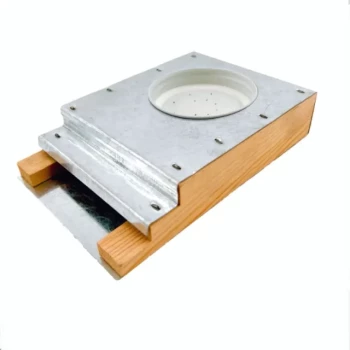
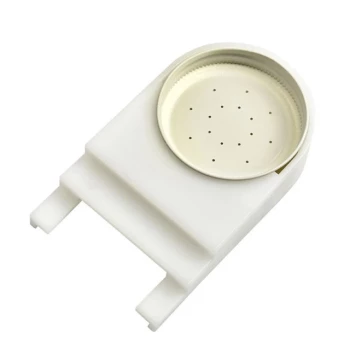
- HONESTBEE Professional Entrance Bee Feeder Hive Nutrition Solution
- HONESTBEE Entrance Bee Feeder Professional Hive Nutrition Solution for Beekeeping
- HONESTBEE Round Hive Top Bee Feeder for Syrup
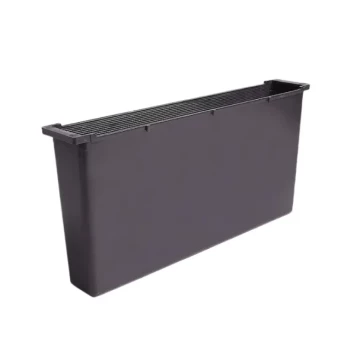
- In-Hive Dual Compartment Frame Bee Feeder for Targeted Colony Nutrition
- Professional Hive Top Bee Feeder for Beekeeping
People Also Ask
- What types of bee feeders are available for beginners? Start with the Simple Entrance Feeder
- What are the advantages and disadvantages of using an entrance feeder for bees? Balance Convenience and Hive Security.
- How does a bee entrance feeder work? A Simple Guide to Convenient Hive Feeding
- What is a bee entrance feeder and what are its drawbacks? Essential Guide to Hive Security and Feeding Efficiency
- How to make an entrance feeder for bees? A DIY Guide for Safe & Effective Feeding