Effective honey storage under the Hazard Analysis and Critical Control Point (HACCP) system requires the use of sealed, food-grade containers and a strictly controlled environment maintained below 30°C. These measures are essential to prevent the formation of Hydroxymethylfurfural (HMF) due to thermal stress and to avoid heavy metal contamination from incompatible packaging materials.
Core Takeaway Storage is a critical control point for maintaining honey’s physicochemical stability. To ensure product safety and longevity, you must pair inert, airtight packaging with rigorous temperature monitoring to mitigate the natural chemical degradation that occurs over time.
Optimizing Container Integrity
Material Selection Standards
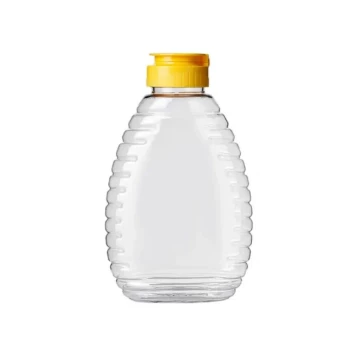
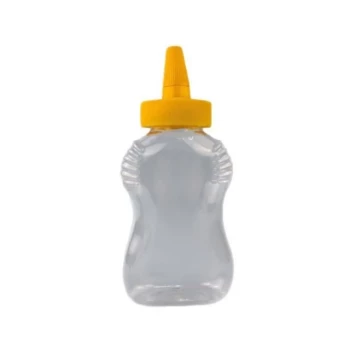
Under HACCP protocols, honey must be stored exclusively in food-grade containers. Using unverified materials poses a direct safety risk, specifically the potential for heavy metal contamination leaching into the product.
Sealing Performance
Containers must possess excellent sealing capabilities. An airtight seal is the first line of defense, ensuring the physicochemical indicators of the honey remain stable throughout its shelf life by preventing external contamination.
Critical Temperature Control Protocols
The 30°C Threshold
The storage environment requires strict temperature monitoring, with a critical upper limit set below 30°C. Exceeding this temperature accelerates chemical reactions that degrade the quality of the honey.
Managing HMF Levels
Temperature control is directly linked to Hydroxymethylfurfural (HMF) levels. High temperatures cause HMF levels to spike, potentially exceeding regulatory limits and signaling that the honey has been heat-damaged or aged prematurely.
Duration Management
Temperature control cannot be viewed in isolation; it must be paired with duration management. The length of time honey spends in storage must be tracked to ensure it is processed or sold before quality parameters degrade.
Advanced Environmental Controls
Intelligent Warehousing
For large-scale operations, implementing intelligent warehousing systems provides necessary precision. These systems utilize physical cooling and automated environmental monitoring to regulate both temperature and humidity.
Mitigating Long-Term Degradation
Even within the acceptable range of 25°C to 30°C, quality markers can decline significantly over a six-month period. Advanced cooling systems slow the natural degradation of enzymes, preserving the honey's medicinal properties and overall quality better than simple ambient storage.
Understanding the Trade-offs
The Risk of "Acceptable" Temperatures
While keeping honey below 30°C meets the basic requirement, it is not a guarantee of indefinite quality. Storing honey near this upper limit (25°C–30°C) for extended periods will still result in a measurable decline in quality markers.
Cost vs. Quality
Investing in active physical cooling and intelligent monitoring increases operational costs compared to passive ambient storage. However, relying solely on passive storage increases the risk of product loss due to enzyme degradation or HMF accumulation during warm seasons.
Making the Right Choice for Your Goal
To align your storage practices with your specific operational needs, consider the following:
- If your primary focus is basic regulatory compliance: Ensure all containers are certified food-grade and implement a monitoring log to prove ambient temperatures never exceed 30°C.
- If your primary focus is maximizing shelf-life and premium quality: invest in an intelligent warehousing system with active cooling to keep temperatures well below the 25°C threshold.
Strict adherence to container safety and thermal limits is the only way to guarantee a safe, stable product for the consumer.
Summary Table:
| Storage Factor | HACCP Requirement | Impact on Honey Quality |
|---|---|---|
| Container Material | Food-grade / Inert | Prevents heavy metal contamination and leaching. |
| Sealing | Airtight / Hermetic | Maintains physicochemical stability and prevents contamination. |
| Critical Temp | < 30°C | Limits HMF formation and preserves natural enzymes. |
| Monitoring | Intelligent/Log-based | Tracks duration and thermal stress to prevent degradation. |
Elevate Your Honey Quality with HONESTBEE
Maintaining HACCP standards for honey storage requires professional-grade infrastructure and precision. HONESTBEE specializes in supporting commercial apiaries and distributors with a comprehensive range of beekeeping tools, machinery, and essential consumables.
Whether you need specialized hardware like honey-filling machines to ensure airtight seals or industrial equipment to optimize your processing line, our wholesale offerings are designed to protect your product's integrity. Don't let thermal stress or improper packaging compromise your honey’s market value.
Contact us today to explore our full equipment portfolio and wholesale solutions!
References
- Christina Handschuch, Antônio Meira Neto. Knowledge and implementation of HACCP-based management systems among small-scale honey producers in Brazil. DOI: 10.3920/jcns2012.x003
This article is also based on technical information from HonestBee Knowledge Base .
Related Products
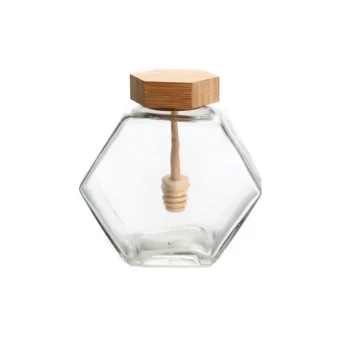
- Hexagonal Glass Honey Jar with Wooden Lid Integrated Dipper Elegant Functional Storage
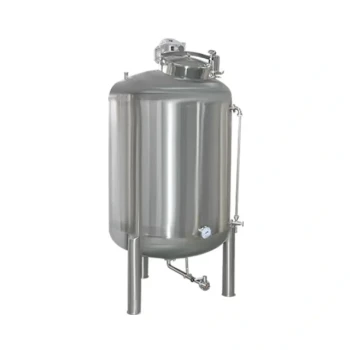
- Stainless Steel Honey Storage Tank with Lid for Honey
- Stainless Steel Honey Storage and Settling Tank with Double Strainer
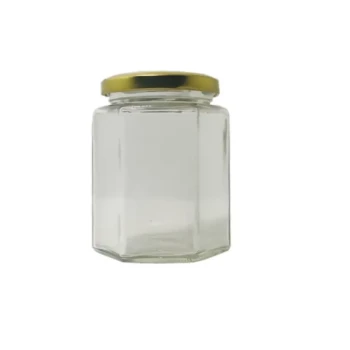
- Hexagonal Glass Honey Jars with Metal Lug Caps Elegant Versatile Packaging
- Professional Honey Storage Tank with Agitation System
People Also Ask
- What are the benefits of glass jars regarding strength and safety for storing honey? Ensure Purity and Long-Term Quality
- What are the advantages of using glass jars for honey storage? Ensure Purity and Premium Appeal for Your Product
- What is the aesthetic appeal of using glass jars for honey? Elevate Your Brand with Premium Packaging
- What are the advantages of glass containers for honey? Elevate Quality and Market Value with Premium Packaging
- What are the benefits of using high-transparency Glass Jars for honey? Elevate Purity and Premium Branding